
Vandaag of morgen in huis

Kwaliteit gegarandeerd

Welkomstaanbiedingen ontgrendelen: GRATIS bezorging | Tot 80% korting | Gratis 30 dagen JoyPlus-proefperiode
Download de app
Craving something sweet, but without the sugar? The shelves are packed with sugar-free candy, but not all options are created equal. Many products promise a guilt-free treat, but in reality, they often disappoint with a chemical aftertaste, hidden calories, or misleading claims. Before you make a choice, it's helpful to know what to look for.
We'll outline the most common pitfalls and provide practical tips to help you find sugar-free candy that truly meets your expectations.
To avoid a disappointing purchase, it's smart to look beyond the packaging. Pay attention to the following three points on the label.
The sweetener determines not only the taste but also its effect on your body. There are roughly two categories:
The ingredient list is your most important tool. It shows you exactly what's in the candy.
Are you a fan of sugar-free liquorice, or do you prefer fruity gummies or a refreshing sugar-free peppermint? The texture (hard, soft, chewy) and the flavourings used (natural extracts versus artificial aromas) are just as important as the sweetness. A product with ginger extract offers a completely different experience than a candy with a generic "fruit flavour".
To help you get started, we've highlighted some popular choices that cater to different preferences.
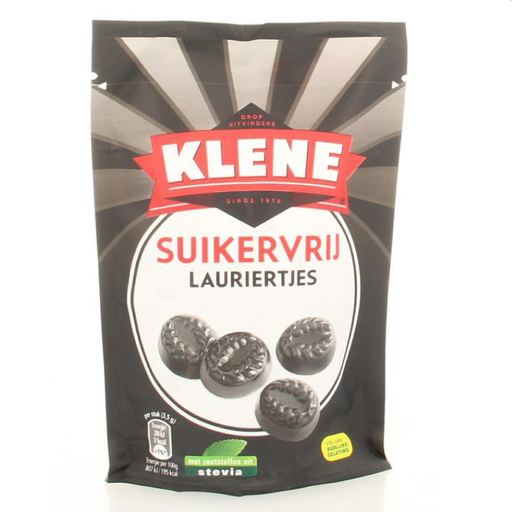
Why This Fits Their Persona: For those who want the classic taste of Dutch liquorice, but without the sugar. Klene is a trusted brand known for its authentic recipes. This sugar-free liquorice offers the recognisable bay leaf flavour in a familiar form.
This product avoids the aftertaste pitfall by using a combination of maltitol syrup and stevia, which provides a balanced sweetness that supports the liquorice flavour rather than overpowering it.
It has a Nutri-Score B and comes in convenient, resealable packaging to maintain freshness. A clear choice for any fan of sugar-free liquorice.

Why This Fits Their Persona: Perfect for those looking for a truly low-calorie candy. This konjac jelly is not only sugar-free but also contains zero calories. Ideal for people following a strict diet or simply wanting a light, fruity treat.
This product completely bypasses the "hidden calories" pitfall. Because it's sweetened with erythritol and sucralose, among others, and is based on konjac flour, it is genuinely calorie-free, not just sugar-free.
Offers a unique, springy texture and an authentic grape flavour from the use of real muscat grape juice. The squeeze pouch is convenient for on-the-go snacking.

Why This Fits Their Persona: For those who want something different from the standard fruit or mint flavours. These hard candies combine the warming spice of ginger with the cool freshness of mint for a surprising and invigorating flavour profile.
This product tackles the "vague marketing" pitfall with a clear focus. It doesn't just claim to be 'healthy'; it offers a specific, functional flavour experience. The ingredient list is short and clearly shows the use of natural ginger and peppermint flavourings.
The combination of ginger and mint can provide a soothing sensation for the throat. The candies are sweetened with isomalt and sorbitol, which creates a mild sweetness without the harshness of some other sweeteners.
We have compiled a complete, real-time list of products that fully satisfy these strict selection criteria and UK safety regulations.
1. Can I eat sugar-free candy if I have diabetes? Although sugar-free candy contains no added sugars, it can still affect blood sugar levels. Sweeteners like polyols are absorbed more slowly than sugar, but they can still have an effect in larger quantities. It is always wise to check the nutritional information and consult a doctor or dietitian if in doubt.
2. Why does sugar-free candy sometimes have a laxative effect? This is caused by polyols (sugar alcohols) such as maltitol, sorbitol, and xylitol. These sweeteners are not fully absorbed by the small intestine. When they reach the large intestine, they draw in water and are fermented by bacteria, which can lead to bloating, flatulence, and a laxative effect. This is why packaging often includes the warning: "excessive consumption may produce laxative effects".
3. Is sugar-free candy always low-calorie? Not necessarily. Candy sweetened with polyols still contains calories, averaging about 2.4 kcal per gram, compared to 4 kcal per gram for sugar. So, it is lower in calories, but not calorie-free. Products sweetened with intense sweeteners like stevia, sucralose, or aspartame, such as the ORIHIRO konjac jelly, are indeed virtually calorie-free. Always check the label for the exact energy value.
