
Vandaag of morgen in huis

Kwaliteit gegarandeerd

Welkomstaanbiedingen ontgrendelen: GRATIS bezorging | Tot 80% korting | Gratis 30 dagen JoyPlus-proefperiode
Download de app
Wanting to cut down on sugar doesn't mean you have to give up enjoying a tasty treat. The shelves are filled with sugar-free candy, from sugar-free licorice to fresh peppermints. But not every sugar-free option is a good choice. Many people are disappointed by a chemical aftertaste, unclear labels, or unexpected side effects.
As a Product Recommendation Officer at Joybuy, I see which products are popular and what challenges consumers face. This guide will help you avoid the common pitfalls, so you can make a choice that fits your taste and lifestyle.
Before you put anything in your shopping cart, it's wise to be aware of a few misconceptions that often lead to a disappointing purchase.
sugar-free licorice, the absence of sugar can lead to a tough or overly soft texture that doesn't resemble the original.sugar-free candies contain polyols (also known as sugar alcohols) like maltitol, sorbitol, or xylitol. These sweeteners are not fully absorbed by the body. While this is beneficial for calorie intake, excessive consumption can have a laxative effect. This warning is often in small print on the packaging and is easily overlooked.To avoid a bad buy, you can pay attention to a few concrete specifications on the packaging. This will help you look past the marketing and make an informed choice.
The sweetener largely determines the taste, calorie count, and potential side effects. The most common are:
low-calorie candy. However, be mindful of the quantity; most warnings about a laxative effect are related to this group.A product that uses a combination of different sweeteners often has a more balanced and pleasant taste.
The nutrition facts table is your most important tool. Focus your attention on these two lines per 100 grams:
candy without sugar, this value should ideally be 0 grams, or at least less than 0.5 grams.By checking these specifications, you can confidently snack healthier and choose the option that best suits you.
Not all sugar-free candy is created equal. The right choice depends on your personal preference. Below are some popular choices, matched to different needs.
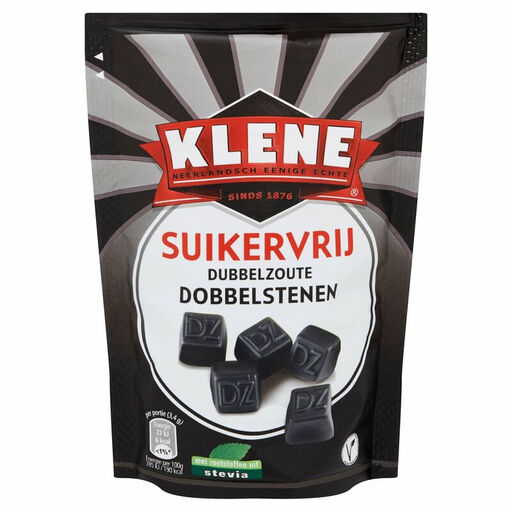
Why This Fits Their Persona: For those who seek the authentic, firm, and salty taste of Dutch licorice, but without the sugar. Perfect for the licorice enthusiast who doesn't want to compromise on the classic taste experience.
This product avoids the texture and taste disappointment by using gum arabic and a recipe that closely mimics the traditional salty flavour. The packaging is clear about the ingredients.
Extra salty licorice taste without sugar. Resealable packaging, convenient for home or on the go.
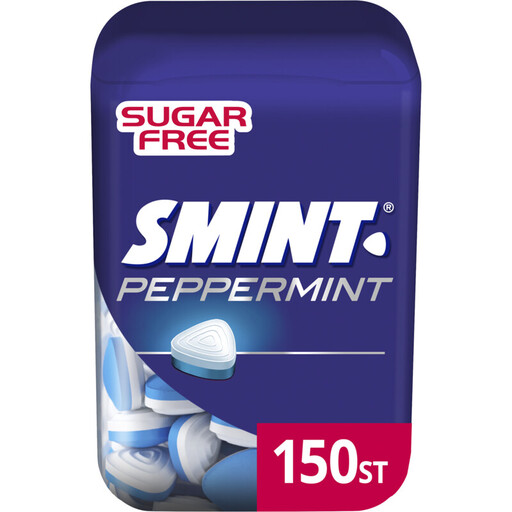
Why This Fits Their Persona: Ideal for anyone seeking a powerful, sugar-free refreshment for the car, at work, or at home. The large, sturdy packaging is practical and ensures you always have a supply on hand.
Smint is specifically designed for fresh breath, making its taste powerful and functional, not disappointing. The packaging lists the sweeteners (sorbitol, aspartame) and the corresponding warning.
Large value pack with 150 pieces. Well-known, powerful mint flavour for long-lasting fresh breath.
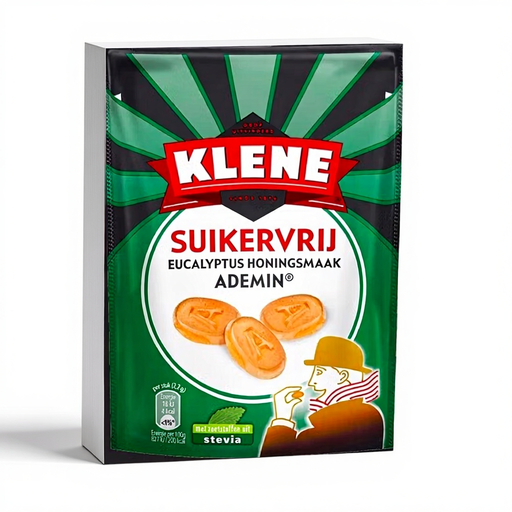
Why This Fits Their Persona: This pastille is suitable for those looking for a refreshing and soothing sensation for the throat, without sugar. The combination of eucalyptus and honey is a classic for this purpose.
The taste is functional and focused on refreshment and soothing, making the chance of a 'flat' taste experience small. The ingredients list is clear about the sweeteners used (maltitol syrup, steviol glycosides).
Refreshing and soothing taste of eucalyptus-honey. Sugar-free and conveniently packaged for on the go.
We have compiled a complete, up-to-date list of products that fully meet these selection criteria and local regulations.
'Sugar-free' is a protected claim meaning a product contains no more than 0.5 grams of sugar per 100 grams or 100 ml. 'No added sugar' means that no sugars or sweeteners with sweetening power have been added to the product, but it may still contain naturally occurring sugars (e.g., from fruit). For candy without sugar, the 'sugar-free' claim is the most reliable indicator.
No, it is not advisable to eat unlimited amounts of sugar-free candy. As mentioned earlier, many of these products contain polyols (sugar alcohols). The packaging almost always includes the warning: "excessive consumption may produce a laxative effect". So, enjoy them in moderation.
Sugar-free candy is generally low-calorie candy compared to its regular counterpart. However, polyols still contain calories (about 2.4 kcal per gram, versus 4 kcal per gram for sugar). If limiting calories is your main goal, it is wise to check the energy value (kJ/kcal) on the nutrition facts table.
