
Vandaag of morgen in huis

Kwaliteit gegarandeerd

Welkomstaanbiedingen ontgrendelen: GRATIS bezorging | Tot 80% korting | Gratis 30 dagen JoyPlus-proefperiode
Download de app
Craving something sweet, but without the sugar? The shelves are packed with sugar-free candy, but not all options are created equal. The wrong choice often leads to disappointment: a strange aftertaste, an unexpectedly high calorie count, or a product that doesn't deliver on its promise. Before you add anything to your cart, it's wise to know what to look for.
Many consumers fall into a few common traps:
candy for diabetics.By checking a few key aspects, you can avoid these disappointments and make a choice that truly suits you.
To avoid a bad purchase, it's helpful to check two things on the packaging: the type of sweetener and the nutrition facts table.
Not all sugar substitutes are the same. They fall roughly into two categories:
candy for diabetics. The downside is the well-known laxative effect with high intake.The choice of sweetener directly affects the taste, texture, and how your body reacts to it.
Look beyond the front of the package. The nutrition facts table per 100 grams provides the most objective information. Pay attention to:
sugar-free candy, this number should ideally be 0 grams or very low (<0.5g).low-calorie candy.Based on clear product specifications and different needs, here are some recommendations.
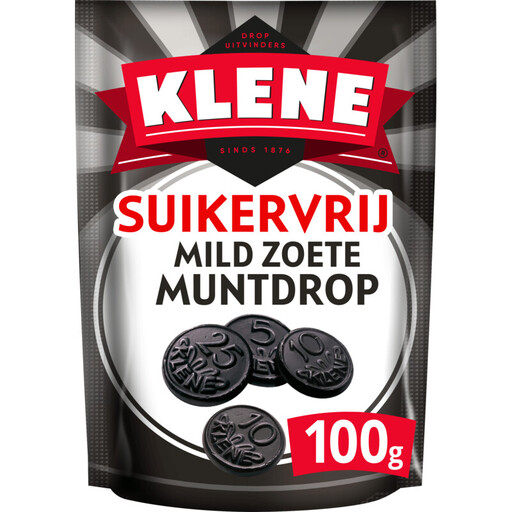
Why This Fits Their Persona: For those who don't want to miss the familiar taste of Dutch licorice. This is a classic, firm mint licorice, but prepared without sugar for a responsible treat.
Tackles the calorie trap: according to the manufacturer, it contains 30% fewer calories than the original version. The sweet taste comes from maltitol and stevia, without the chemical aftertaste you sometimes find.
Features a Nutri-Score A and comes in resealable packaging. The flavour is mildly sweet, making it an approachable sugar-free licorice.

Why This Fits Their Persona: Ideal for those who want fresh breath throughout the day, whether at the office or in the car. This isn't a candy for a sweet craving, but a functional sugar-free mint.
The focus is on functionality. According to the manufacturer, its effectiveness for fresh breath for up to 2 hours has been proven. The taste is intense and fresh, without the sweetness you expect from other candies.
Completely sugar-free and contains zinc, which, according to the product information, helps reduce bad breath. Packaged in a convenient and sturdy tin.
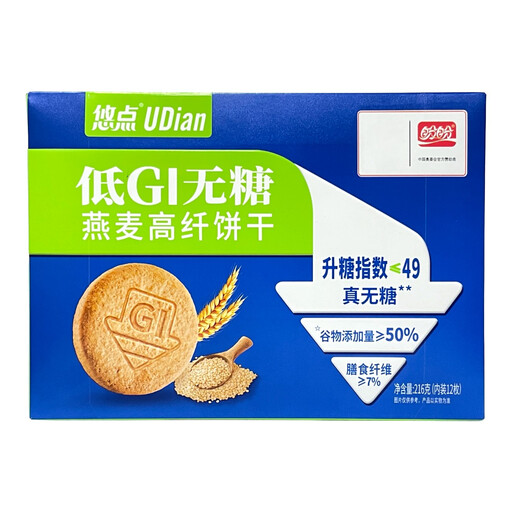
Why This Fits Their Persona: For those seeking a sweet snack that offers more than just a sweet taste. This is an alternative to traditional candy, with the benefits of fibre and a lower glycemic index (GI).
This is not an 'empty' healthy candy. It tackles the calorie trap by adding nutritional value in the form of whole wheat flour and oat flakes. The 'Low GI' claim is specific and useful for those who want to keep their blood sugar levels stable.
Rich in dietary fibre and sweetened with maltitol, which replaces sucrose. The crunchy texture and nutritious ingredients make for a filling snack.
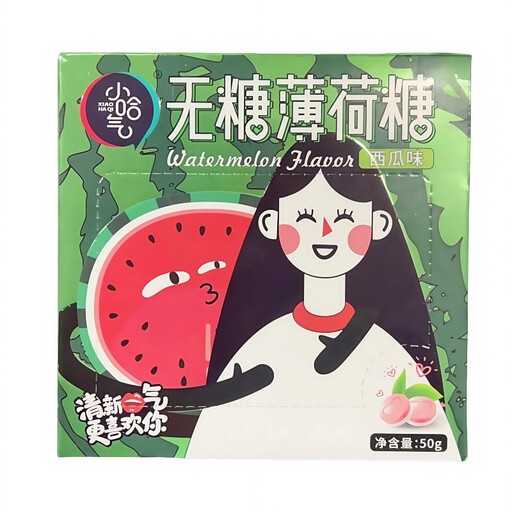
Why This Fits Their Persona: For those who want a change from the standard mint or licorice flavour. These candies combine a sweet and crunchy watermelon taste with a cooling hint of mint.
Avoids the chemical aftertaste by using a combination of isomalt and sucralose. This ensures a clean, fruity taste without the sugar and its associated calories.
A surprising and refreshing flavour combination. It's a completely sugar-free and low-calorie candy, ideal for a guilt-free moment of indulgence.
We've compiled a complete, up-to-date list of products that fully meet these strict selection criteria and local regulations.
Generally, yes. Sugar-free candy is often sweetened with polyols, which cause blood sugar levels to rise less quickly than regular sugar. However, they do still have an impact. It is therefore important to monitor carbohydrate, and specifically polyol, intake and to consume in moderation. When in doubt, always consult a doctor or dietitian.
No, that is not recommended. As mentioned earlier, excessive consumption of polyols (sugar alcohols) can cause a laxative effect. The threshold for this varies from person to person. Additionally, many sugar-free candies still contain calories, so for those watching their weight, it is wise to enjoy these in moderation as well.
Polyols are carbohydrates, but they are not fully absorbed and digested by the body. Therefore, they provide fewer calories than sugar (an average of 2.4 kcal per gram versus 4 kcal for sugar). Manufacturers are required to list the amount of polyols separately if they use more than 10%. This gives consumers, especially people with diabetes, a clearer picture of the product's composition.
