
Vandaag of morgen in huis

Kwaliteit gegarandeerd

Welkomstaanbiedingen ontgrendelen: GRATIS bezorging | Tot 80% korting | Gratis 30 dagen JoyPlus-proefperiode
Download de app
Sometimes you just want a treat, even without the sugar. Whether you're on a low-sugar diet, have diabetes, or simply want to snack more consciously, the selection of sugar-free candy is vast. But this abundance of choice also comes with pitfalls. Many products overpromise and underdeliver, resulting in a disappointing taste or unexpected side effects. Let's explore how to make the right choice without falling into the typical marketing traps.
The most common problems are:
To avoid buyer's remorse, it's wise to pay attention to a few specifications. These aren't opinions, but facts you can check directly on the packaging.
Not all sugar substitutes are created equal. The choice of sweetener determines the taste, calorie count, and impact on your digestion.
Look beyond just the "sugar" line on the nutrition facts table. Low-calorie candy isn't always a given. Polyols contain carbohydrates and calories (about 2.4 kcal per gram, compared to 4 kcal for sugar). For people following a ketogenic diet or strictly monitoring their calorie intake, this is a crucial detail. Products that use only high-intensity sweeteners, such as some drinks or jellies, can be virtually calorie-free. This is also critical information for candy for diabetics, who need to monitor their total carbohydrate intake.
The base of the candy is just as important. In sugar-free licorice, for example, gum arabic provides the firm, traditional texture. In other candies, like sugar-free throat lozenges, herbal extracts or menthol are added for a soothing effect. Pay attention to these ingredients to get an idea of the flavour and mouthfeel.
Based on product specifications and various use cases, we have selected a few options that cater to specific preferences.
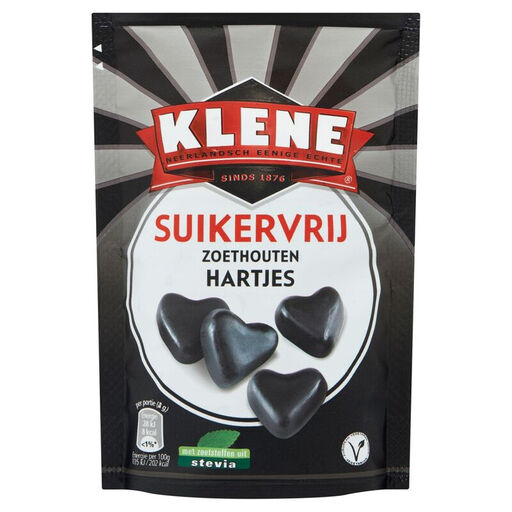
Why This Fits Their Persona: For those seeking the authentic taste and texture of Dutch licorice, but without the sugar. Ideal for the traditionalist who doesn't want to compromise on the taste experience.
According to Klene, this licorice is made using an authentic recipe with real gum arabic. This ingredient is crucial for the classic, firm texture and helps avoid the 'strange' texture found in some sugar-free alternatives.
Contains licorice root extract for a deep licorice flavour. The resealable packaging is practical for at home or on the go.

Why This Fits Their Persona: Perfect for anyone looking for a fruity, refreshing treat with zero calories. This konjac jelly is a light and modern alternative to traditional confectionery.
This product completely sidesteps the 'hidden calories' pitfall by explicitly containing 0 kcal. The unique, springy texture from konjac flour is a deliberate choice, not a failed imitation of another type of candy.
Completely calorie-free and sugar-free. The authentic flavour comes from real muscat grape juice. Convenient, ready-to-eat squeeze pouch.
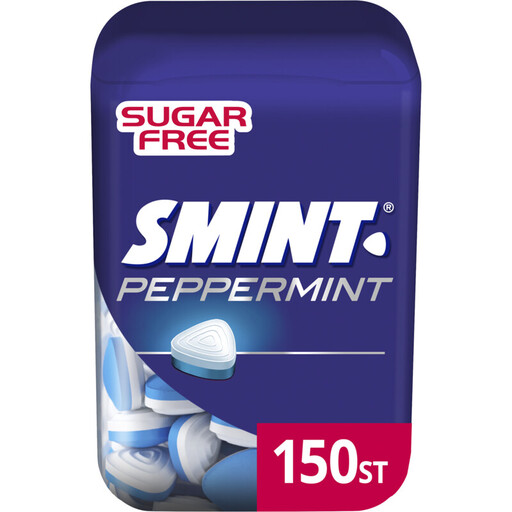
Why This Fits Their Persona: For daily use in the car, at the office, or on the go. This person is looking for a reliable, effective, and sugar-free solution for fresh breath, no fuss.
Smint doesn't position itself as a 'healthy treat,' but as a functional product for fresh breath. The sturdy value pack is designed for practical use and prevents the mints from scattering throughout your bag.
Large, sturdy value pack with 150 pieces. The combination of sweeteners (sorbitol, aspartame, sucralose) provides a powerful, fresh taste without sugar.
From sugar-free gum to refreshing throat lozenges, there are more choices that meet clear specifications. Explore our full range.
Yes, many types of sugar-free candy contain polyols like maltitol, sorbitol, or isomalt. These sweeteners are not fully absorbed by the body and can cause gas, bloating, or a laxative effect when consumed in larger quantities. Sensitivity varies from person to person. It is wise to take the warning on the packaging seriously and start with a small amount.
Sugar-free candy can be an option for people with diabetes because it causes a slower rise in blood sugar levels compared to candy with sugar. However, it is not "free" of carbohydrates. Polyols still count towards the total carbohydrate intake. It is therefore important to check the nutrition facts table and align consumption with a personal dietary plan. When in doubt, always consult a doctor or dietitian.
Sugar-free means a product contains a maximum of 0.5 grams of sugar per 100 grams (or 100 ml). No added sugars means that no sugars or sweeteners with a sugar component were added during production. However, the product can still contain naturally occurring sugars, for example, from fruit. For confectionery, the 'sugar-free' claim is generally more relevant, as it indicates that the sweetness comes from sugar substitutes.
