
Breakfast eaters keeping an eye on sugar
You want to check the sugar content of your breakfast and understand the difference between ‘sugar-free’ and ‘no added sugars’.


If you’re looking for strictly sugar-free breakfast cereal for weekdays, check the sugars per 100 g: under European Union Regulation (EC) No 1924/2006, the claim ‘sugar-free’ is only permitted when a product contains no more than 0.5 g of sugars per 100 g. ‘No added sugars’ does not mean the same thing. Then compare similar breakfast cereals for fibre and salt, and choose flakes, granola or another cereal breakfast based on the preparation and portion that suit your morning.
You want to check the sugar content of your breakfast and understand the difference between ‘sugar-free’ and ‘no added sugars’.
You compare wholegrains and bran for fibre, while checking the sugar content separately.
You’re looking for a cereal breakfast that’s practical to prepare on weekdays, and compare products on the same per-100 g basis.
Start with the sugar content on the label. Then use fibre and salt to compare similar products, and only after that consider which preparation and portion suit your morning.
| What to consider | What to check when buying | Who it matters to |
|---|---|---|
| Sugars | Check ‘of which sugars’ per 100 g. If you’re looking for the ‘sugar-free’ claim, use the EU limit of no more than 0.5 g per 100 g. | On weekdays, I mainly want a breakfast cereal with as little sugar as possible, and I don’t rely on the front of the pack alone. Around 36% of consumers put sugar content first. |
| Fibre and type of grain | Compare fibre per 100 g and check which grains or bran are listed in the ingredients. | If fibre is my top priority, I also want to see how much sugar the product contains. This combination is the main consideration for around 29% of consumers. |
| Preparation and portion | Check how to prepare the product and what portion the pack suggests; compare nutritional values per 100 g first. | For my weekday breakfast, I want to know whether flakes, granola or another cereal breakfast will fit into my routine. Convenience and personal preference are the deciding factors for around 21% of consumers. |
| Availability | Check that the exact variant is available, and read the label again when you buy it. | I want to keep buying a cereal breakfast without unknowingly switching to a different variant. Practical availability matters most to around 14% of consumers. |
A breakfast cereal can still contain sugars even if no sugars have been added. The two claims therefore answer different questions.
Check ‘of which sugars’ per 100 g. Under European Union Regulation (EC) No 1924/2006, the ‘sugar-free’ claim for solid products means no more than 0.5 g of sugars per 100 g.
Portion sizes can vary between packs, so values per portion don’t give you a like-for-like basis for comparing two breakfast cereals.
First compare the nutritional information per 100 g, as advised by Voedingscentrum, then consider the portion you want to eat.
A high fibre content doesn’t, by itself, tell you anything about the sugar content. Kellogg's lists 27 g of fibre and 18 g of sugars per 100 g for All-Bran Fibre Plus.
Check both values before choosing between a bran product and other breakfast cereals.
A breakfast cereal stocked by a retailer won’t necessarily be available in the same way every time you shop.
Check the exact variant when you shop, and read the label before making it part of your regular routine.
These examples show why you should compare the exact breakfast cereal variant, not just the brand name.
The Naturel variant is a crunchy mix of oat and wheat flakes for anyone who likes granola with yoghurt.
Special K Original and All-Bran Fibre Plus are different product ranges: one is made of flakes, while the other is a bran product.
Brinta Volkoren graanontbijt is an alternative for anyone looking for a cereal breakfast rather than crunchy flakes.
ALDI Nederland’s own brand includes various types of breakfast cereal, including muesli and flakes.
These three products are oatmeal and a wheat cereal breakfast for anyone considering alternatives to flakes. If you’re looking for strictly sugar-free flakes, check the sugar content and product type of the exact pack separately.
 No image available
For anyone who wants oatmeal instead of crunchy flakes on weekdays. If you’re specifically looking for a sugar-free product, check the sugars per 100 g on the pack.
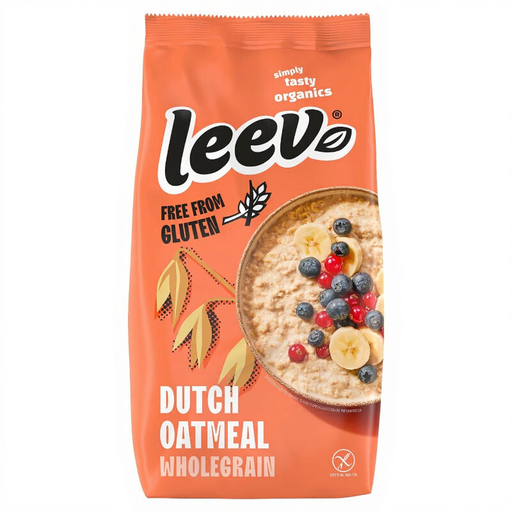 No image available
An oatmeal option for anyone who isn’t looking for flakes. The product information about gluten is contradictory, so check the allergen information on the pack before choosing this product.
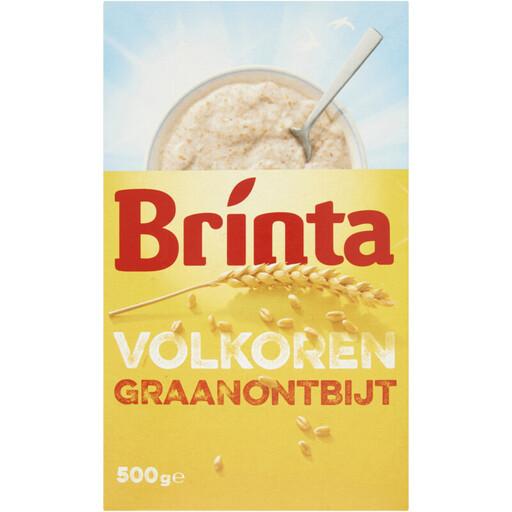 No image available
For anyone considering a wheat cereal breakfast as an alternative to flakes. Compare the sugars per 100 g with your own criteria, and check the allergen information on the pack.
No. Under European Union Regulation (EC) No 1924/2006, the ‘sugar-free’ claim for solid products means no more than 0.5 g of sugars per 100 g. For example, Jumbo states that Quaker Cruesli Zero Sugar Added Naturel contains no added sugars, but does contain 3.7 g of sugars per 100 g.
First compare products of the same type per 100 g. Voedingscentrum recommends checking sugars and fibre in breakfast cereals; also read the salt and ingredients on the label. Then consider which portion and preparation suit your breakfast.
No. Kellogg's Nederland lists 27 g of fibre and 18 g of sugars per 100 g for All-Bran Fibre Plus. Check both values if you want to choose based on both fibre and sugars.
Yes, read the allergen information for the exact variant. Quaker Cruesli Zero Sugar Added Naturel lists cereals containing gluten, and may contain milk and nuts; check the current pack before buying.
Follow the storage instructions on the pack. For Quaker Cruesli Zero Sugar Added Naturel, the instructions say to store the bag in a cool, dry place and roll it up after use; don’t assume the same instructions apply to other products.