
Vandaag of morgen in huis

Kwaliteit gegarandeerd

Welkomstaanbiedingen ontgrendelen: GRATIS bezorging | Tot 80% korting | Gratis 30 dagen JoyPlus-proefperiode
Download de app
By: Joybuy Product Recommendation OfficerLast Updated: July 4, 2026
Looking for sugar-free breakfast cereals? The supermarket aisle can be overwhelming. Packaging can make big promises, but the ingredients list often tells a different story. Many products marketed as 'healthy' contain hidden sugars.
This guide is designed to help you make an informed choice. We'll examine product specifications, such as the amount of sugar, fibre, and protein, so you can find a product that fits your lifestyle. Whether you're looking for a protein breakfast for after your workout, following a low-carb muesli diet, or simply want to eat less sugar.
Before we look at the products, here are a few practical tips for evaluating labels yourself.
The claim "no added sugars" means the manufacturer has not added any sugar, syrup, or honey. However, the product can still contain natural sugars from ingredients like fruit (e.g., dates or raisins). Always check the nutrition table under the line "of which sugars". This indicates the total amount of sugar per 100 grams. A truly sugar-free muesli is rare, but a product with a very low sugar content (under 5 grams per 100 grams) is a good guideline.
A good breakfast keeps you energised until lunch. Fibre and protein play a key role in this.
Not all sugar-free breakfast cereals are the same.
Below is a selection of products that stand out for their nutritional composition. The recommendations are based on the product specifications provided by the manufacturer.
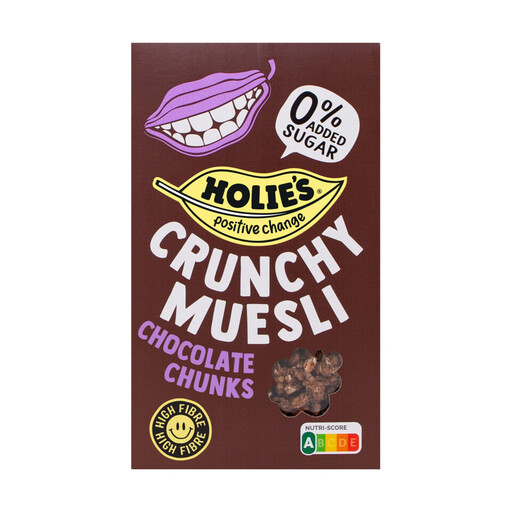
Why it stands out: This crunchy muesli combines a chocolate flavour with a very low sugar content and a high fibre content, which is a rare combination in the breakfast aisle.
Benefits:
Who is it for? For anyone looking for a crunchy, flavourful muesli without the sugars typically found in crunchy varieties. A great choice for a daily high-fibre breakfast.
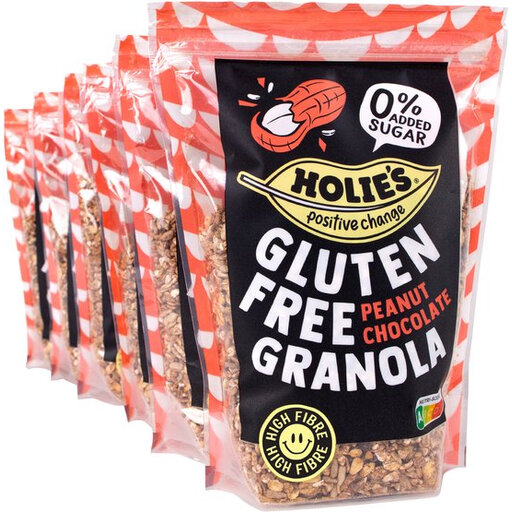
Why it stands out: This product is one of the few gluten-free breakfast cereals that offers both a rich peanut and chocolate flavour and a nutritious profile with no added sugars.
Benefits:
Who is it for? Ideal for people with a gluten intolerance who don't want to compromise on taste and texture. Also a great option for peanut butter lovers seeking a nutritious start to their day.
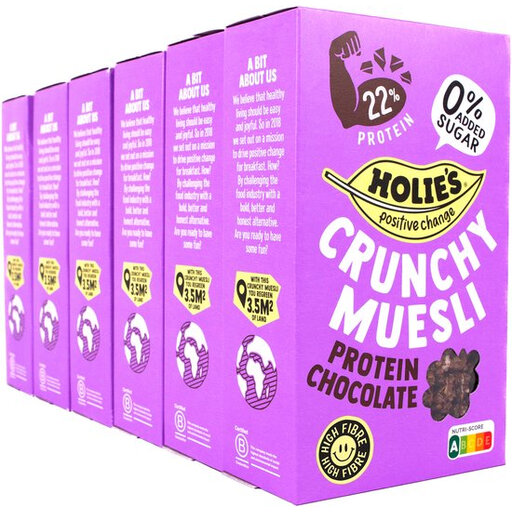
Why it stands out: With 22 grams of protein per 100 grams, this is a powerhouse. It delivers a true protein breakfast without the high sugar levels often found in protein-enriched products.
Benefits:
Who is it for? Specifically aimed at athletes and people with an active lifestyle who want to increase their protein intake. It supports muscle recovery and provides sustained energy.

Why it stands out: This granola focuses on reducing carbohydrates. According to TastyBasics, it contains 60% fewer carbs than regular crunchy muesli, thanks to a base of soy flakes, seeds, and nuts.
Benefits:
Who is it for? An excellent choice for those seeking a low-carb muesli that is also rich in protein and fibre. The soy and nut base makes it different from traditional granola.
If your ideal breakfast isn't here, or if you're curious about other flavours, there are more varieties available that fit a health-conscious lifestyle.
? View our full range of chocolate breakfast cereals here
Focus on the nutrition table, not just the claims on the front of the box. Pay attention to three things:
No. It means the manufacturer has not added refined sugars, syrups, or honey. Products can still contain natural sugars from ingredients like dried fruit (dates, raisins) or milk powder. You will always find the total amount of sugar in the nutrition table.
Breakfast cereals with a high content of fibre and protein contribute to a longer-lasting feeling of fullness. These nutrients are digested more slowly, which means you won't feel hungry again as quickly. Products based on whole grains, nuts, seeds, and legumes are a good foundation for this.
