
Shoppers keeping a strict eye on sugar
You want a biscuit that meets the ‘sugar-free’ claim. So you compare ‘of which sugars’ per 100 g and don’t rely on words such as ‘zero’ or ‘no added sugars’ alone.


Looking for strictly sugar-free biscuits for a holiday morning? First check the wording on the label and the sugars per 100 g: under EU rules, the claim ‘sugar-free’ may only be used when a product contains no more than 0.5 g of sugars per 100 g. Then choose between a larger pack and individual portions, and compare the sweeteners, allergens and nutritional information too. Low sugar does not automatically mean a biscuit is low in calories.
You want a biscuit that meets the ‘sugar-free’ claim. So you compare ‘of which sugars’ per 100 g and don’t rely on words such as ‘zero’ or ‘no added sugars’ alone.
You’re looking for biscuits that are easy to pack for a morning on the go. Individually wrapped portions can be convenient, but check the portion size and nutritional information per 100 g too.
You want to know which sweeteners or polyols have been used and which allergens are listed for the variety you choose before you buy. This is especially important if you need to avoid certain ingredients.
Start with the sugar claim and the nutrition table. Then decide whether the ingredients, a handy portion or the ingredient list matters most for your holiday morning.
| What to look for | What to check before buying | Who it matters most to |
|---|---|---|
| Sugar-free or another claim | Check ‘of which sugars’ per 100 g. Under EU rules, the ‘sugar-free’ claim is limited to a maximum of 0.5 g of sugars per 100 g. | If I want to take strictly sugar-free biscuits with me, the claim needs to match the nutrition table. For around 33% of consumers, this precise sugar claim is the top priority. |
| Sweeteners and nutritional information | Check the ingredients list and compare energy, sugars, polyols and fat per 100 g. Look out for a warning about excessive consumption too. | I want to know what gives the biscuit its sweet taste and what else it contains. For around 27% of consumers, these questions about ingredients come first. |
| A portion for the journey | Check the number of biscuits, the weight per biscuit and the packaging. Use the values per 100 g to compare products. | For a morning away from home, I want to take a portion with me without having to divide it up on the spot. Around 20% of consumers prioritise this practical portion size. |
| Allergens and dietary requirements | Check the allergens and any ‘may contain’ statement on the current packaging; assess dietary claims for each variety. | If I need to avoid an ingredient, the ingredients list determines whether a particular biscuit is suitable for me. For around 20% of consumers, this check is the main priority. |
These are different claims. Lotus states that Mini Zero Ontbijtkoek has 0% added sugars, but it also contains 2.5 g of sugars per 100 g. What’s more, ontbijtkoek is not a biscuit.
If you want strictly sugar-free biscuits, check the product type and the ‘of which sugars’ figure per 100 g.
A low sugar figure doesn’t tell you how much energy or fat a biscuit contains. For example, Albert Heijn lists AH Digestive 0% suiker as containing 465 kcal per 100 g.
Compare biscuits by energy, fat, fibre and salt per 100 g too; then decide how much you want to take with you.
Products including AH Digestive 0% suiker and the Céréal varieties we checked contain polyols. Their product information warns that excessive consumption may have a laxative effect.
Check which sweeteners have been used and bear the packaging warning in mind when choosing your portion.
Ingredients and nutritional values can change. The availability of a particular variety can also vary between shops and sales channels.
Check the current product information before buying and read the packaging again when it arrives, especially if allergens are a deciding factor for you.
These names can help you compare specific products and labels, but a brand name alone doesn’t tell you whether a particular biscuit is sugar-free.
Céréal makes biscuits labelled ‘sugar-free’, including coconut, speculoos, almond, and sesame and vanilla varieties.
Albert Heijn lists AH Digestive 0% suiker and also stocks sugar-conscious biscuits from other brands.
At Jumbo, you can compare the product information for Céréal Coconut and Céréal Sesame & Vanilla.
Lotus Mini Zero is an individually wrapped ontbijtkoek, not a biscuit. Lotus Biscoff Original Speculoos is a separate product.
Lidl sells a range of biscuits and other baked snacks under the Sondey brand.
It’s especially important to check the packaging for this product: the title says biscuits, while the description also mentions liquorice and a different flavour. Confirm the product type and flavour before buying.
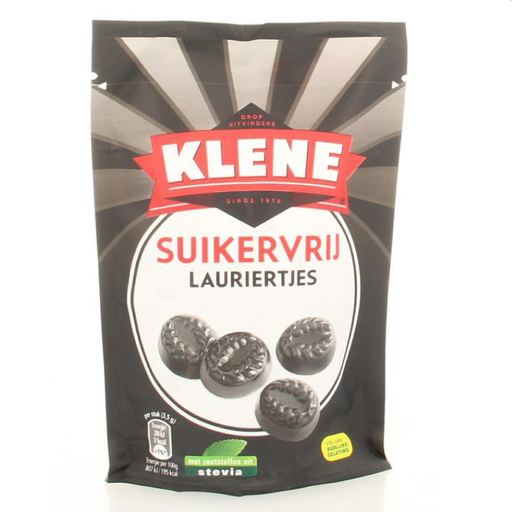 Image unavailable
The resealable pack could be handy for taking something with you, provided the contents match your choice of biscuit. Check the product type and flavour on the packaging, along with the amount of polyols and the basis for the stated energy value.
No, these are different claims. Under EU rules, ‘sugar-free’ may only be used when a product contains no more than 0.5 g of sugars per 100 g or 100 ml; ‘no added sugars’ does not rule out sugars that occur naturally. For biscuits, check ‘of which sugars’ per 100 g.
Not automatically. Albert Heijn lists AH Digestive 0% suiker as containing 0.3 g of sugars and 465 kcal per 100 g. So compare energy and the rest of the nutritional information per 100 g as well as sugar.
Some sugar-free biscuits contain polyols, such as maltitols, and carry a warning that excessive consumption may have a laxative effect. Check the ingredients and the warning for your chosen variety when deciding how much to take with you.
Yes. ‘Sugar-free’ tells you nothing about allergens: the varieties we checked list ingredients including wheat, sesame and almond. Check the ingredients and any ‘may contain’ statement on the current packaging for the exact variety you’re buying.