
Shoppers specifically looking for sugar-free biscuits
They want to be able to tell the difference between ‘sugar-free’, ‘no added sugar’ and ‘reduced sugar’. The ‘of which sugars’ figure per 100 g helps them compare products with different claims.


For a pharmacy range promising sugar-free biscuits, choose biscuits that meet the relevant sugar claim and check the sugars per 100 g for each product. Keep biscuits with no added sugar separate from reduced-sugar products: these descriptions do not mean the same thing. Also check the serving size, nutritional information, ingredients, allergens and any warning about polyols.
Not everyone looking to cut down on sugar means the same thing. The sugar claim customers want determines which biscuits you can group together; the occasion and ingredients determine what other information should be visible.
They want to be able to tell the difference between ‘sugar-free’, ‘no added sugar’ and ‘reduced sugar’. The ‘of which sugars’ figure per 100 g helps them compare products with different claims.
For a morning break or a coffee break, a familiar biscuit shape and a practical serving size may matter. Some shoppers are mainly looking for a product with no added sugar; for them, the total sugars and serving size are still relevant label details.
They check which sweeteners and allergens a particular variety contains. According to the Voedingscentrum, large amounts of polyols can cause intestinal discomfort, so a sugar claim is no substitute for the ingredients list.
First decide which sugar claim the shelf or search filter needs to meet. Then compare the serving size and full nutritional information for each biscuit, and check that the ingredients and warnings provide the information customers need.
| What to consider | What to check when buying | Who it matters to |
|---|---|---|
| Sugar claim | Compare the exact claim with the ‘of which sugars’ figure per 100 g. Keep ‘sugar-free’, ‘no added sugar’ and ‘reduced sugar’ as separate categories. | Shoppers looking for a biscuit with as little sugar as possible do not want a product that is merely reduced in sugar to be classed as sugar-free. Around 36% of consumers prioritise this when choosing sugar content. |
| Serving size and storage | Check the weight and number of servings per pack, as well as the storage advice for an opened pack. | For coffee, on the go or a morning break, I want to be able to choose a serving that suits the occasion. Around 29% of consumers prioritise this practical aspect. |
| Nutritional value | Compare energy, fat, fibre and salt per 100 g and, where listed, per serving; do not assess the product on its sugar content alone. | When I compare biscuits by their nutritional value, I want to look at the whole label rather than just one claim on the front. Around 21% of consumers prioritise this comparison. |
| Ingredients | Check which polyols are used, whether there is a warning about excessive consumption and which allergens are listed for that variety. | If an ingredient or allergen is a deciding factor for me, I need to know what is in that particular biscuit before choosing it. Around 14% of consumers prioritise this. |
A reduced-sugar claim does not mean that a product contains virtually no sugars. Joybuy’s product information lists 22.8 g of sugars per 100 g for G'woon Lower Sugar Biscuit Bars; what’s more, biscuit bars are not necessarily interchangeable with biscuits.
Use ‘reduced sugar’ as a separate label and check both the product category and sugar content before adding any product to a sugar-free biscuit filter.
A sugar claim does not describe the full nutritional value. Albert Heijn lists 465 kcal per 100 g for AH Digestive 0% Sugar, so energy content should be considered separately.
Alongside sugars, check energy, fat, fibre, salt and serving size on the label. Do not use a single nutritional value to judge the biscuit as a whole.
According to the Voedingscentrum, large amounts of polyols can cause intestinal discomfort. Allergens also vary by variety: Jumbo lists almonds, milk, soya, egg and cereals containing gluten among the allergens in Céréal Speculoos with Almond.
Check the ingredients list, allergen information and any warning on the current packaging for every variety.
A change to a product’s ingredients or packaging can affect the information customers use to make their choice. The sugar claim, nutrition table and allergen information in particular must match the product being sold.
Check these details on the packaging or in the current product specifications before buying, and check them again whenever the packaging changes.
The products mentioned show why you need to compare each variety and each claim. A brand name alone does not mean that all its biscuits belong in the same category.
The Coconut and Speculoos with Almond varieties described by Jumbo carry a ‘sugar-free’ claim.
AH Digestive 0% Sugar is an example of a biscuit with an explicit 0% sugar claim.
San Francisco zero is an option for shoppers looking for biscuits with no added sugar, but that does not automatically make it suitable for those seeking biscuits with virtually no sugars.
Lower Sugar Biscuit Bars are a different product category with a different sugar claim from sugar-free biscuits.
Regular Lotus Biscoff Speculoos is a useful example of the difference between a familiar speculoos biscuit and one carrying a sugar-reduction claim.
These biscuits may suit shoppers looking for a product with no added sugar, but not a shelf that promises exclusively sugar-free biscuits. The product information is also aimed at young children, so check that this target audience is right for the range you have in mind.
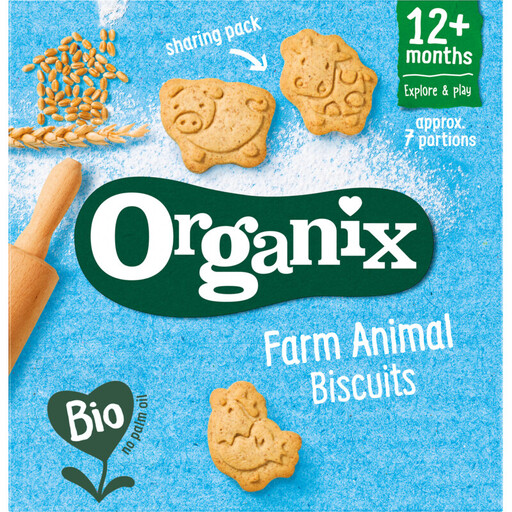 No image available
An option worth considering for shoppers looking for no added sugar but who are happy with naturally occurring sugars; do not present these biscuits as sugar-free.
The product information lists grape juice concentrate and says the biscuits are suitable for children from 12 months. Before adding them to your range, compare the sugars per 100 g and per serving, allergens and serving information on the current packaging.
No. A biscuit with no added sugar may still contain sugars. Albert Heijn lists 0% added sugar and 1.7 g of sugars per 100 g for Verkade San Francisco zero. For a sugar-free biscuit shelf, compare both the exact claim and the sugar content on the label.
Check the ingredients and any warning about excessive consumption. Maltitol is a polyol; according to the Voedingscentrum, large amounts of polyols can cause intestinal discomfort. Also check the allergens for each variety rather than relying on the brand name.
No. The sugar claim alone says nothing about the total energy content. Albert Heijn lists 465 kcal per 100 g for AH Digestive 0% Sugar. So check the energy, fat, fibre and serving size on the packaging too.
Store opened biscuits in a cool, dry, dark place in a tightly sealed container, as advised by the Voedingscentrum. Also follow the storage instructions on the packaging and bear in mind that a product’s quality may change after opening.