
If you’re looking for a strictly sugar-free option
You want a biscuit with your afternoon coffee that’s sold as sugar-free or containing no sugars, not simply a product with no added sugar.


For a strictly sugar-free afternoon coffee break, first look for a biscuit labelled ‘sugar-free’ or ‘no sugars’; ‘no added sugar’ is not the same thing. AH Digestive 0% sugar is a good choice if you’re after a classic biscuit, while Céréal’s coconut and speculoos varieties offer different flavours. Whichever you choose, check the serving size, ingredients and allergens: ‘sugar-free’ alone tells you nothing about the energy content or whether it’s suitable for people with food sensitivities.
You want a biscuit with your afternoon coffee that’s sold as sugar-free or containing no sugars, not simply a product with no added sugar.
You want to check the ingredients and any warning about excessive consumption, as some low-sugar biscuits contain maltitol or other polyols.
You make your choice based on the current packaging: wheat, nuts, milk, egg and soya can vary between varieties.
Start with the exact sugar claim. Then compare the ingredients, allergens and nutritional information on a like-for-like basis, especially if the biscuits are different sizes.
| What to consider | What should you check? | Who is this most important for? |
|---|---|---|
| Sugar claim | Read the exact claim and compare ‘of which sugars’ per 100 g; also check the value per serving, if given. | I want a genuinely sugar-free biscuit with my coffee, rather than accidentally choosing one that’s only labelled no added sugar. For around 36% of consumers, this exact claim would be their first concern. |
| Polyols | Check the ingredients for maltitol, isomalt and other polyols, and read the warning about excessive consumption. | If I’m sensitive to polyols, I want to know which sweeteners are in my biscuit before choosing a serving. For around 29% of consumers, this would be the main consideration. |
| Allergens | Read the current allergen information, including any ‘may contain’ statements. | If I have a food allergy, the specific variety needs to be suitable; a similar sugar claim isn’t enough. This check would come first for around 21% of consumers. |
| Serving size and energy | Compare the energy per 100 g and per biscuit, and check how many biscuits make up a serving. | For my regular coffee break, I want to know what one biscuit contributes, as sizes vary. For around 14% of consumers, serving size would be the main consideration. |
A biscuit with no added sugar can still contain naturally occurring sugars. For Verkade San Francisco zero, Albert Heijn lists 1.7 g of sugars per 100 g alongside the no added sugar claim.
Check both the claim on the packaging and the ‘of which sugars’ line in the nutritional information.
A low sugar value doesn’t tell you how much energy a biscuit provides. Albert Heijn lists 465 kcal per 100 g for AH Digestive 0% sugar, so the serving size still matters.
Compare products per 100 g and per biscuit to see how differences in size affect the figures.
AH Digestive 0% sugar and the Céréal speculoos variety mentioned contain polyols. Products with these sweeteners may carry a warning that excessive consumption can have a laxative effect.
Read the ingredients and the warning on the packaging, especially if you’re planning to have more than one biscuit.
Biscuits with similar sugar claims can contain different allergens. According to Jumbo, the Céréal almond and speculoos-flavoured variety contains, among other things, almond, wheat, barley, egg, milk and soya.
Check the allergen information on the current packaging before eating, even if you’ve bought the same variety before.
AH Digestive 0% sugar is a classic biscuit option to enjoy with your coffee.
The no-sugars varieties mentioned offer a choice of coconut or speculoos flavour with almond pieces.
San Francisco zero is an option if you’re specifically looking for no added sugar, but it isn’t an equivalent choice for a strictly sugar-free selection.
Lotus Biscoff Original is a reference point for the regular speculoos flavour, not for sugar-free biscuits.
This product is labelled sugar-free, but before buying, check whether the pack actually contains biscuits for your afternoon coffee: the product title and description contradict each other on this point.
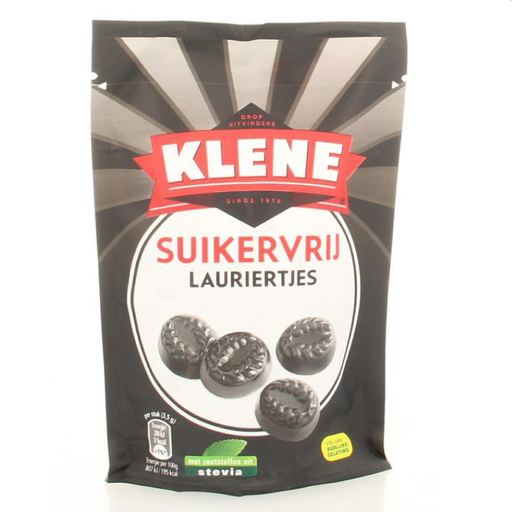 Image unavailable
If you’re looking for a product labelled sugar-free to enjoy with your coffee, first check whether this pack actually contains biscuits. The title says biscuits, but the description also mentions liquorice with bay leaf flavouring, so check the product type and flavour on the current packaging.
The product information lists maltitol syrup. Check the ingredients and nutritional information on the packaging before comparing sugars, polyols or energy per serving with other biscuits.
No. A product with no added sugar can still contain naturally occurring sugars. For example, Albert Heijn lists 1.7 g of sugars per 100 g for Verkade San Francisco zero, so check both the exact claim and the nutritional information.
No. A sugar-free claim doesn’t tell you the energy content. For your coffee break, compare the energy per 100 g and per biscuit, especially when serving sizes vary.
Read the allergen information on the current packaging for the exact variety. The Netherlands Food and Consumer Product Safety Authority says that allergen information for prepacked products must appear on the label; a sugar-free claim tells you nothing about the allergens present.
Store the pack in a cool, dry, dark place and seal it well, as recommended by the Netherlands Nutrition Centre. Also follow the storage instructions on the packaging of the product you’ve chosen.