Who are these options relevant to?

Shoppers who read sugar claims carefully

You’re looking for a biscuit with a specific sugar claim and want to avoid confusing ‘sugar-free’ with ‘no added sugars’. The nutrition table and ingredients list can help you check what’s actually in the pack you choose.

Christmas guests and hosts looking for a biscuit to serve

You want to serve biscuits with coffee or tea and are looking for a familiar type of biscuit with no added sugars. If several people will be eating them, check the pack size and ingredients too.

Shoppers who pay attention to ingredients

You’re buying for people for whom allergens or certain sweeteners are a key consideration. Jumbo lists wheat, almonds, soya, egg, milk and barley among the allergens in one Céréal speculoos variety. Check the label on the specific pack before buying.

What should you look for when choosing?

Sugar-free biscuits

A good choice if: the sugar claim is your main selection criterion.

Bear in mind: the claim alone says nothing about allergens or the rest of the nutritional value. For products containing polyols, also check the warning on the packaging.

Biscuits with no added sugars

A good choice if: you want to avoid added sugars and are looking for a biscuit to enjoy with coffee or tea, for example.

Bear in mind: ingredients may contain naturally occurring sugars; ‘no added sugars’ doesn’t mean ‘sugar-free’.

Bake your own with no added sugars

A good choice if: you want to choose the ingredients yourself for Christmas breakfast or a coffee break.

Bear in mind: baking takes time, and ingredients such as dates contain naturally occurring sugars.

What to consider What to check when buying Who it matters to
What the sugar claim means Compare the exact claim with ‘of which sugars’ per 100 g and read the ingredients list. If I’m choosing mainly based on sugar content, I want to know whether a biscuit is sugar-free or simply has no added sugars. Around 40% of shoppers prioritise this claim.
Biscuits to share Check the type of biscuit, the pack size and the ingredients for everyone who’ll be eating them. For coffee or tea at Christmas, I’m mainly looking for a familiar biscuit I can serve. Around 30% of shoppers put this first.
Sweeteners and allergens Check the current label for allergens, polyols and any warnings. When I’m buying for guests with dietary restrictions, the biscuits I choose need to suit their needs. Ingredients and tolerance are the first consideration for around 30% of shoppers.

Common mistakes

  • Reading ‘no added sugars’ as ‘sugar-free’

    Biscuits with no added sugars may still contain sugars from their ingredients. For example, Albert Heijn uses dates in a recipe for biscuits with no added sugars.

    Read the claim and the ‘of which sugars’ figure. When comparing products, it’s best to compare them per 100 g.

  • Using a sugar claim to judge the whole biscuit

    According to the Netherlands Nutrition Centre, biscuits can still be high in calories and low in nutrients despite carrying a sugar claim. The claim doesn’t tell you how the product measures up in other respects.

    Check the portion size and the rest of the nutrition information too, including energy, fibre, saturated fat and salt.

  • Checking sweeteners and allergens only after buying

    According to the Netherlands Nutrition Centre, large amounts of polyols can cause digestive problems. Jumbo lists several allergens in one Céréal speculoos variety, including wheat and almonds.

    If you’re buying for guests, check the ingredients, allergens and warnings on the current packaging, not just the product name.

  • Treating an online product description as a definitive label

    Albert Heijn notes that ingredients, nutritional values and allergy information may change.

    Check the pack you’re actually buying before serving the biscuits.

Brands and ranges to consider

Céréal

Worth considering if you’re looking for speculoos flavour in a biscuit labelled ‘sugar-free’. The variety described contains almond pieces and maltitols.

  • The product name makes the sugar claim and almond variety easy to identify.
  • Jumbo lists wheat, almonds, soya, egg, milk and barley among the allergens in this variety. Also check the warning about excessive consumption on the packaging.

Verkade

Verkade describes San Francisco Zero as a crunchy biscuit with no added sugars, made to enjoy with coffee or tea.

  • The variety described is a biscuit; PLUS lists it in a 267 g pack.
  • ‘No added sugars’ doesn’t mean ‘sugar-free’. Check the nutritional information and allergens on the current packaging before choosing.

Albert Heijn

The ‘biscuits (sugar-conscious)’ range is a useful place to compare different biscuits and sugar claims.

  • The range includes Céréal Speculoos with almond pieces and no sugars, among other products.
  • Albert Heijn says product information, including ingredients and allergy details, may change. So check the pack you choose.

Biscuits on Joybuy

These Organix biscuits are one option to consider if you’re looking for biscuits with no added sugars for your Christmas shopping. Before choosing them for a group, check the sugar information on the packaging and make sure they’re suitable for the people who’ll be eating them.
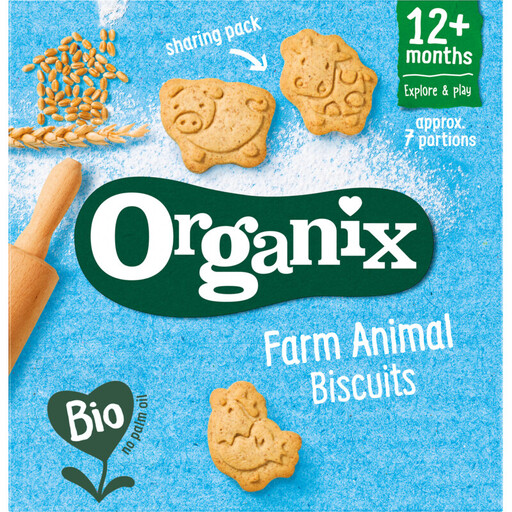
Organix Bio Farm Animal Biscuits, 100 g pack

Organix Bio Farm Animal Biscuits, 100 g

If you’re looking for biscuits with no added sugars, check the exact claim, ‘of which sugars’ and ingredients on the packaging. The pack listed is 100 g; also check whether the age guidance is suitable for the people you’re buying for.

View on Joybuy

Frequently asked questions

Are biscuits with no added sugars also sugar-free?

No, the terms don’t mean the same thing. Ingredients may contain naturally occurring sugars: for example, Albert Heijn uses dates in a recipe with no added sugars. For packaged biscuits, check the ‘of which sugars’ figure and the ingredients list.

Are sugar-free biscuits automatically suitable for breakfast every day?

No, a sugar claim alone doesn’t tell you enough about a biscuit’s nutritional value. The Netherlands Nutrition Centre points out that biscuits can be high in calories and low in nutrients. So check the full nutrition information and portion size rather than just the front of the pack.

What should I look for in biscuits containing maltitol or other polyols?

Check the ingredients and any warning on the packaging. According to the Netherlands Nutrition Centre, large amounts of polyols can cause digestive problems. If you’re buying biscuits for guests, check for allergens separately too.

How should I store opened sugar-free biscuits for Christmas?

Follow the storage instructions on the packaging and reseal an opened pack. Before serving, check the use-by or best-before date and make sure the biscuits are still suitable to eat; storage instructions may vary by product.
