
Shoppers comparing sugar content
You want to know how much sugar a biscuit contains, so you look beyond the claim on the front and check the nutritional information and ingredients.


Looking for a biscuit for a quick breakfast on the go? First, compare the exact sugar claim with the nutritional information: ‘sugar-free’ does not mean the same as ‘no added sugars’. Treat the biscuit as an addition to your breakfast, rather than assuming it is a complete breakfast in itself. The Netherlands Nutrition Centre lists wholegrain products, yoghurt and fruit among its breakfast options. Also check the portion size, ingredients and allergens on the packaging.
You want to know how much sugar a biscuit contains, so you look beyond the claim on the front and check the nutritional information and ingredients.
You’re looking for something that fits easily in your bag, but don’t want to mistake a biscuit for a complete breakfast. Portion size and what you eat with it both matter.
As well as checking the sugar content, you look for allergens, sweeteners and any warnings on the packaging.
Start by understanding the difference between sugar claims. Then check whether the portion works for your breakfast and whether the ingredients are suitable for you.
| What to consider | What to check before buying | Who should consider this? |
|---|---|---|
| Sugar claim | Compare the exact claim with ‘of which sugars’ per 100 g and check the ingredients. | If I’m mainly watching my sugar intake, I want to know whether a claim about added sugars also tells me anything about the amount in the biscuit. This is the main consideration for around 42% of shoppers. |
| Portion and breakfast | Check the amount per biscuit or portion, and think about what else you’ll take with you. | When I’m on the go, I want a portion that’s easy to keep track of, without mistaking a biscuit for a complete breakfast. This is the main consideration for around 33% of shoppers. |
| Allergens and polyols | Read the allergen information and ingredients, and look for any warnings about excessive consumption. | If I have an allergy or sensitivity to polyols, I also need to check that the ingredients are suitable for me. This is the top priority for around 25% of shoppers. |
A biscuit with no added sugars can still contain sugars. Verkade San Francisco zero’s product information states both ‘0% added sugar’ and that it contains naturally occurring sugars.
Check the ‘of which sugars’ figure per 100 g, then consider how many biscuits you plan to eat.
The sugar content doesn’t tell you how large a portion is or how the biscuit fits into your breakfast. The Netherlands Nutrition Centre also lists wholegrain products, yoghurt and fruit as breakfast options.
Choose a portion that’s easy to take with you, and decide whether you’d like to have another breakfast food alongside it.
AH Digestive 0% sugar’s product information lists sweeteners and warns that excessive consumption may have a laxative effect. Sensitivity to products containing polyols varies from person to person.
Check the ingredients and warnings on the packaging, especially if you know you react to polyols.
A sugar claim tells you nothing about allergens. Céréal Speculoos with almond pieces lists wheat, almonds, eggs, milk, soya and barley among its ingredients.
Before buying, check the latest allergen information and any ‘may contain’ statement on the packaging.
Céréal offers products including Coconut and Speculoos biscuits with almond pieces, marketed as ‘sugar-free’.
AH Digestive 0% sugar is a biscuit containing sweeteners.
Verkade San Francisco zero carries the claim ‘0% added sugar’ and also states that it contains naturally occurring sugars.
This listing may be relevant if you’re looking to take a product with a sugar-free claim as an addition to your breakfast. Before buying, check that it’s actually the type of biscuit you’re looking for.
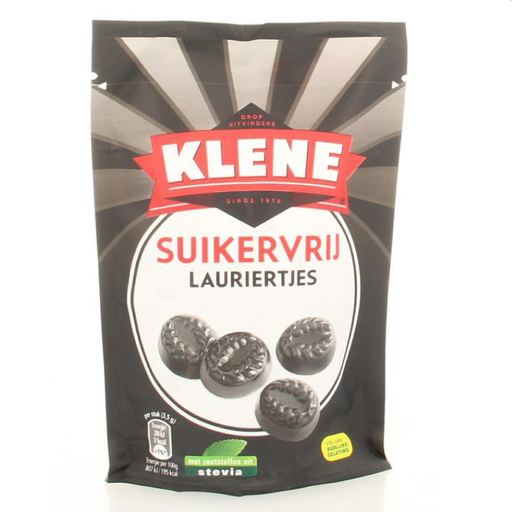 Image unavailable
This is only a suitable choice for a biscuit on the go if the packaging confirms that they are biscuits: the product description also refers to the item as liquorice. The product name says Sugar-Free and 110 g. Check the packaging for the product type, sugars and polyols per 100 g, and portion size.
No. A product with no added sugars can still contain sugars. Verkade San Francisco zero, for example, states both the claim ‘0% added sugar’ and that it contains naturally occurring sugars. So also compare the ‘of which sugars’ figure in the nutritional information.
A sugar claim alone doesn’t make a biscuit a complete breakfast. The Netherlands Nutrition Centre lists wholegrain products, yoghurt and fruit among its breakfast options, so it’s better to have a biscuit on the go as an addition to your breakfast.
This warning appears on some products containing sweeteners such as polyols, including AH Digestive 0% sugar. If you’re sensitive to products like these, read the ingredients and warning on the packaging.
Check the latest ingredients and allergen information, as well as any ‘may contain’ statement on the packaging. A sugar claim tells you nothing about allergens; the biscuits mentioned differ in the grains, milk, eggs, soya and almonds they contain.