
Vandaag of morgen in huis

Kwaliteit gegarandeerd

Welkomstaanbiedingen ontgrendelen: GRATIS bezorging | Tot 80% korting | Gratis 30 dagen JoyPlus-proefperiode
Download de app
Looking for a refreshing drink but want to skip the sugar? The selection at the supermarket can be overwhelming, and many 'healthy' options turn out to be packed with sugars or unnecessary additives on closer inspection. This article is designed to help you make an informed choice. We'll highlight a few popular options and give you practical tips, so you know exactly what to look for when choosing a sugar-free ade.
Finding a great sugar-free drink is easier when you know what to look for. Here are three key points to help you make your choice.
The term 'sugar-free' is a good start, but it pays to look closer at the label. Pay special attention to the amount of carbohydrates and calories. A truly low-calorie soft drink typically contains only a few calories per serving. For those seeking a low-carb or keto-friendly drink, a low carbohydrate content is essential. Products sweetened with stevia or sucralose, for example, often contain virtually no carbohydrates, making them a suitable choice.
Sugar-free drinks use alternative sweeteners to achieve their taste. Commonly used types include stevia (a natural sweetener from the stevia plant) and sucralose. These sweeteners provide the sweet taste without the calories and the impact on blood sugar levels that regular sugar has. The choice of a particular sweetener is often personal, as each can have a slightly different aftertaste.
The world of sugar-free drinks is more diverse than ever. Besides classic flavours, varieties with a unique flavour profile are gaining popularity. A great example is Korean lemonade, also known as 'ade'. These drinks are known for their light, refreshing, and often fruity character, without being overly sweet. They offer a welcome change from standard soft drinks.
Based on product specifications and flavour profiles, we've rounded up some interesting options for you.
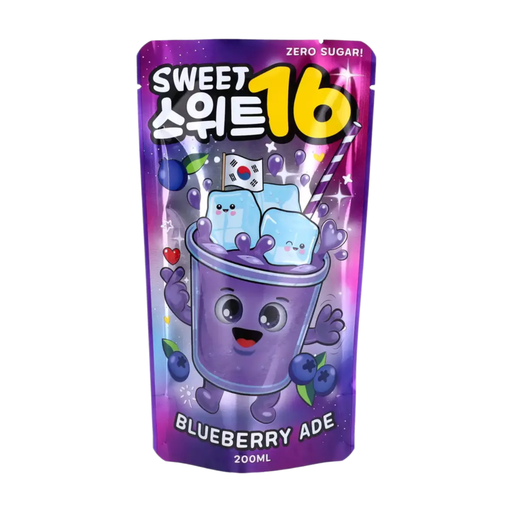
Why It Stands Out: This ade combines the deep, sweet flavour of blueberries with a completely sugar-free formula. It's a light and refreshing drink that puts the fruity taste front and centre.
Pros:
Who Is It For? For anyone looking for a fruity and refreshing sugar-free drink. Its very low calorie and carbohydrate content (3.2 g per 100 ml) also makes it a great fit for a health-conscious diet.
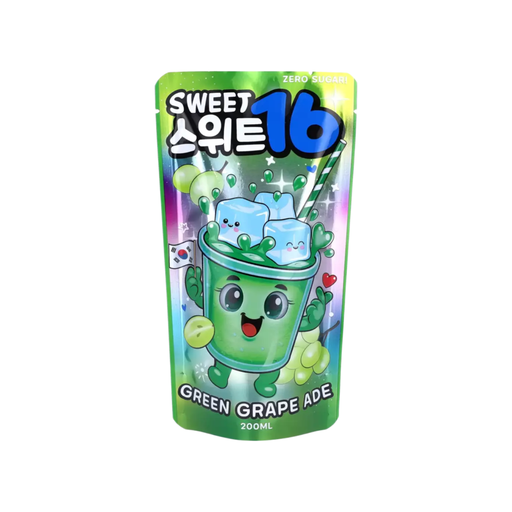
Why It Stands Out: The Sweet16 ade with green grape offers a crisp and fresh taste characteristic of this Korean lemonade. It's sweetened with sucralose and stevia, providing a pleasant sweetness without the sugar.
Pros:
Who Is It For? Perfect for fans of a crisp, not-too-sweet flavour. It's an excellent choice for people following a keto or low-carb diet who still want to enjoy a flavourful soft drink.
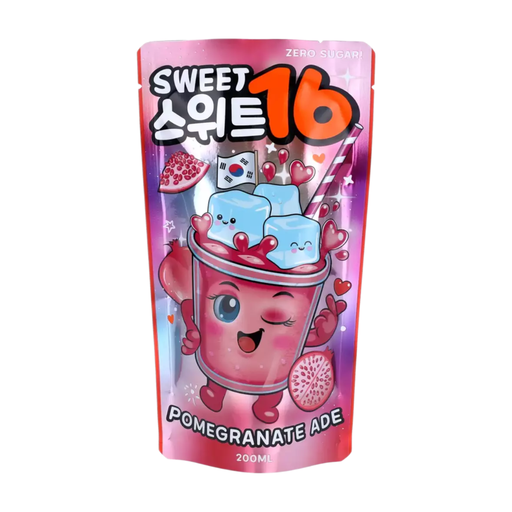
Why It Stands Out: Pomegranate is known for its unique, sweet-tart flavour. This ade successfully captures that signature taste in a sugar-free drink, making it an interesting alternative to more common fruit flavours.
Pros:
Who Is It For? For the adventurous drinker who wants to try something beyond standard flavours. It's a great choice if you enjoy the slightly tart and complex taste of pomegranate.
If these flavours aren't quite what you had in mind, or if you're curious about other sugar-free options, there's a wide range of drinks available that fit a sugar-conscious lifestyle.
Check out our full range of sugar-free juice and discover more flavours and varieties.
Generally, yes. Drinks labelled as 'sugar-free' and sweetened with sweeteners like stevia or sucralose typically contain very few to no carbohydrates. This makes them a suitable keto-friendly drink. However, it's always wise to check the label for the exact amount of carbohydrates per serving.
According to EU regulations, a product can be labelled 'sugar-free' if it contains no more than 0.5 grams of sugar per 100 ml (or 100 grams). 'No added sugars' means that no sugars or sweeteners with a sugar component were added during production. However, the product may still contain naturally occurring sugars, for example, from fruit.
Korean lemonade (ade) is generally known for a light and refreshing taste. Unlike many Western soft drinks, the flavour is often less intensely sweet and more focused on the pure, crisp character of the fruit. The result is a thirst-quenching drink that doesn't feel heavy.
