
Sugar-conscious picnickers
You want to compare the sugar content of the cracker without overlooking the topping. Check the nutrition table for ‘of which sugars’ per 100 g: this lets you compare crackers of different weights on a like-for-like basis.


For a sugar-conscious picnic, first compare the sugars per 100 g of crispbread, then check the ingredients, allergens and toppings. A low sugar content in the cracker says nothing about sweet toppings, so take the crackers separately and keep them dry, and make sure any toppings that need chilling stay cool.
You want to compare the sugar content of the cracker without overlooking the topping. Check the nutrition table for ‘of which sugars’ per 100 g: this lets you compare crackers of different weights on a like-for-like basis.
You want to keep crispbread crunchy and transport any toppings that need chilling safely. Pack the crackers separately and keep them dry; add the toppings just before eating. The Netherlands Nutrition Centre advises keeping food cool during a picnic.
Check the specific variety rather than making assumptions based on the product category. Ingredients such as rye, wheat, milk and sesame vary between products. If iodine is relevant to your choice, also check whether the packaging mentions iodised baker’s salt.
Start with your main requirement for the cracker itself, then decide how to transport the crackers and toppings for your picnic.
| What to consider | What should you check? | Who is this most important for? |
|---|---|---|
| Sugars in the cracker | Compare ‘of which sugars’ per 100 g and check the ingredients if you’re also looking out for added sugar. | If I want to limit the sugar content of my picnic snack, I want to assess the cracker and sweet toppings separately. For around 42% of consumers, the sugar content of the cracker is the top priority. |
| Transporting crackers and toppings | Can you take the crispbread dry and the toppings separately? Check whether the toppings need to stay chilled. | For a picnic, I want to take crackers without dampening them in advance, while keeping toppings that need chilling cool. Transport is the top priority for around 33% of consumers. |
| Allergens and ingredients | Read the full ingredients and allergen information, including ‘may contain’ warnings; if you have questions about iodine, check which salt is used. | If I need to avoid certain ingredients, suitability for my diet comes before sugar content or convenience. Around 25% of consumers put this label check first. |
A claim on the packaging is no substitute for the nutrition table. What’s more, sweet toppings can change the nutritional profile of the finished snack.
Compare ‘of which sugars’ per 100 g of crispbread and assess the toppings separately.
According to the Netherlands Nutrition Centre, wheat and rye, among other grains, contain gluten. Wholemeal crispbread may also contain ingredients such as sesame.
If you have an allergy or need to avoid gluten, check all the information on the specific pack, including any warnings about cross-contamination.
Moist toppings can make crispbread go soft. Toppings that need chilling also require different storage from dry crackers during a picnic.
Transport them separately, keep any toppings that need chilling cool, and add them to the crispbread just before eating.
The name crispbread doesn’t tell you which salt was used in a particular variety.
Is iodine relevant to your choice? Check the ingredients on the packaging or ask the manufacturer.
Among the Wasa varieties reviewed, you can compare wholemeal rye crispbread, sourdough rye and a lighter cracker.
AH Wholemeal Crispbread is a supermarket own-brand variety whose nutrition table you can compare with those of other wholemeal products.
Jumbo Wholemeal Crispbread 5 x 5 Pieces is an own-brand variety for anyone wanting to compare its packaging and ingredients with other wholemeal varieties.
This selection includes crackers to top yourself and a filled crispbread snack. For each variety, compare the packaging and nutritional information with your own picnic priorities.
 No image available
A cracker to take separately from the toppings when you’re putting together your own picnic snack.
Pack size: 300 g. Compare the sugars and fibre per 100 g on the packaging to help you choose; if you have an allergy, check the allergen information too.
 No image available
A wholemeal crispbread option if you want to combine crackers and toppings yourself for a picnic.
Pack size: 265 g. As well as the sugar content per 100 g, check the ingredients; if you have an allergy, check the information on cereals containing gluten and sesame, among other things.
 No image available
A wholemeal crispbread option for anyone wanting to compare a 375 g pack with smaller packs.
Check the latest allergen information before buying, especially if you have an allergy: the product information lists egg and milk in the allergen declaration, but not in the ingredients list.
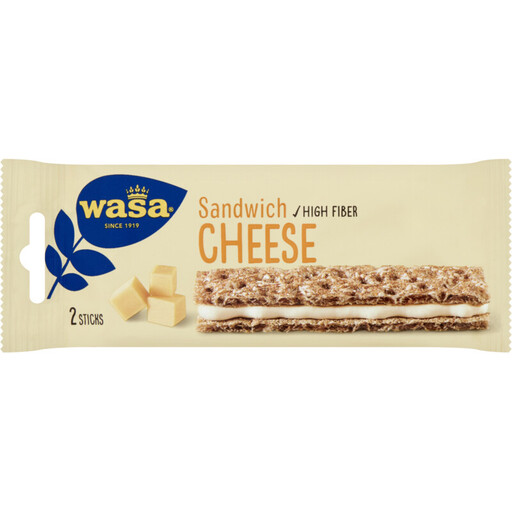 No image available
A filled crispbread snack for anyone who wants to take something along without having to add toppings to the crackers on the spot.
Pack size: 3 x 31 g. Compare the nutritional information for the complete snack, including the cheese filling, with that for an unfilled cracker. If you have an allergy, check the information on rye, milk and sesame, among other ingredients.
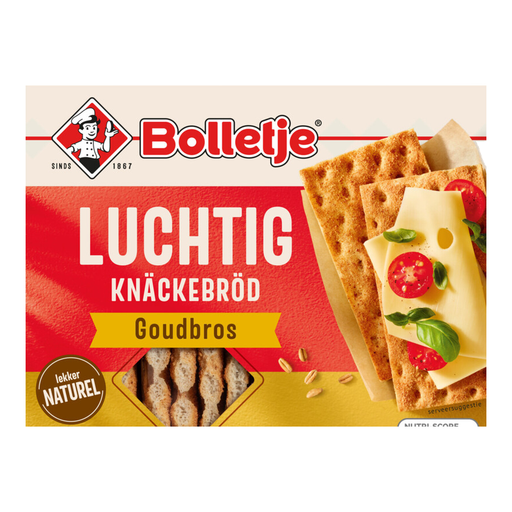 No image available
A light, crunchy cracker for anyone who takes texture into account when choosing a picnic snack.
Pack size: 240 g. Don’t assume the sugar content from ‘Light’ in the name; compare ‘of which sugars’ per 100 g instead. If you have an allergy, check the latest information on wheat and sesame, among other ingredients.
Compare ‘of which sugars’ per 100 g for the specific crackers and assess sweet toppings separately. For example, Albert Heijn’s product pages list 0.3 g of sugars per 100 g for Wasa Sourdough Rye and 3.4 g per 100 g for AH Wholemeal Crispbread; both figures apply only to those varieties.
No. ‘Wholemeal’ doesn’t tell you how much sugar a particular variety contains. Check the nutritional information per 100 g when comparing wholemeal crackers, and consider fibre and other ingredients separately.
Take the crackers dry and separately from the toppings, and add the toppings just before eating. Keep any toppings that need chilling cool; the Netherlands Nutrition Centre also advises paying attention to clean hands and utensils when picnicking.
Don’t choose based on the product category alone: many varieties contain wheat or rye, both of which are gluten-containing cereals according to the Netherlands Nutrition Centre. Check the gluten-free label, ingredients and information about possible cross-contamination on the specific pack.
No. Don’t assume a product contains iodised baker’s salt based on its category. If iodine is relevant to your choice, check the ingredients for the specific variety or ask the manufacturer which salt was used.