
Illustrator with an existing tablet
You want a stylus that works with your iPad or Galaxy Tab and gives you enough control to draw characters and fine details. Apple Support and Samsung publish compatibility information for each stylus and device.


First, choose a stylus that’s compatible with the exact model of your iPad, Galaxy Tab or graphics tablet. These styluses aren’t interchangeable. To avoid having to charge your stylus separately, look for a compatible battery-free model or one that charges from your tablet. A battery-free stylus for a graphics tablet doesn’t mean the whole drawing setup works without being plugged in.
You want a stylus that works with your iPad or Galaxy Tab and gives you enough control to draw characters and fine details. Apple Support and Samsung publish compatibility information for each stylus and device.
You want to keep working without a separate stylus charger, so you’re comparing battery-free styluses with models that charge from your tablet or via USB-C. Apple and Samsung describe different charging methods for different models.
You draw on a separate drawing surface and need a stylus designed for it, rather than one that supposedly works on every tablet screen. Huion and Wacom list compatibility for specific devices and setups.
First, check that the stylus works with your current device. Then decide which charging method and drawing features suit your illustration work.
| What to consider | What to look for | Who should prioritise this? |
|---|---|---|
| Compatibility | Check your tablet’s full model name and the compatibility list for the specific stylus model. | If I want to keep using my current iPad, Galaxy Tab or graphics tablet, I’ll check the exact model first to make sure the stylus is compatible. Around 29% of consumers put compatibility first. |
| Separate charging | Check whether the stylus is battery-free, charges from your tablet or needs to be charged via USB-C. | With few spare sockets, I don’t want to have to plan for a separate stylus charging session or cable. That’s why around 29% of consumers prioritise avoiding separate charging. |
| Control over lines and shading | Check whether the stylus offers pressure sensitivity or tilt control, and whether your drawing app supports these features. | When drawing characters and adding shading, I want to vary my brush strokes to suit my style. Around 24% of consumers prioritise control over lines and shading. |
| A simple setup | Decide whether you mainly sketch or need more drawing features. Also check what works with your current device. | If I mainly want to sketch, I don’t want to buy extra drawing equipment I don’t need. Around 18% of consumers prefer a simple setup using their existing device. |
Apple describes the Apple Pencil Pro as charging magnetically, while the Apple Pencil (USB-C) charges via a USB-C cable. So how you store the stylus doesn’t necessarily tell you how it charges.
Check the charging method for the exact Pencil model you’re considering.
The Huion PW100 is designed for specific Huion drawing surfaces. Wacom also lists a connection cable for the Wacom One pen display setup; the stylus is just one part of the setup.
Check that the drawing surface is compatible, and look at the connections and power supply needed for the whole setup.
Logitech describes tilt as a way to vary line thickness. Huion lists pressure sensitivity for the PW100, but tilt functionality isn’t supported with the H640P, HS64 or HS64 SE.
Choose based on how you want to vary your strokes, and check that the feature works with your exact stylus, device and drawing app combination.
Apple Pencil models are designed for specific iPads, so they’re most relevant if you already own an iPad.
Samsung S Pen models are designed for different Galaxy devices. The Creator Edition may suit you if you want to draw without charging the stylus separately.
Huion makes battery-free replacement styluses, including the PW100, for specific graphics tablets.
Wacom styluses and drawing surfaces are worth considering if you specifically want to work with a separate graphics tablet or pen display.
The Logitech Crayon (USB-C) is designed for drawing and writing on iPads supported by Logitech.
This selection includes styluses for compatible graphics tablets and iPads, with both battery-free and rechargeable models.
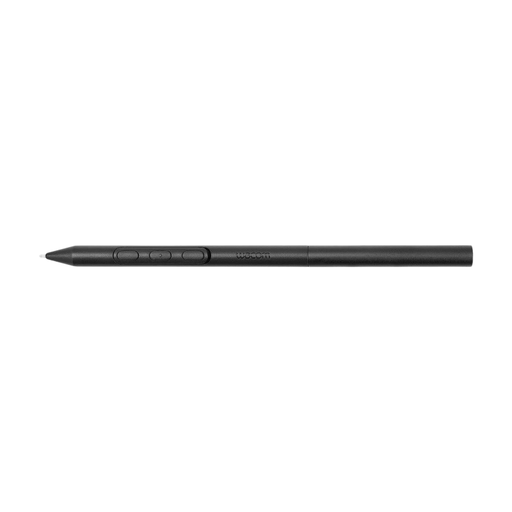 No image available
A good fit if you want to draw on a compatible Wacom device using a stylus described as battery-free.
The compatible models listed are Wacom MovinkPad 11 and Cintiq Pro 17, 22 and 27.
 No image available
A good fit for illustrating on a supported iPad if you want pressure and tilt sensitivity, with the stylus charging from your tablet.
Apple Support lists compatibility with iPad Pro 11-inch and 13-inch (M4), iPad Air 11-inch and 13-inch (M2), and iPad mini (A17 Pro), running iPadOS 17.5 or later. Check that your own device is compatible.
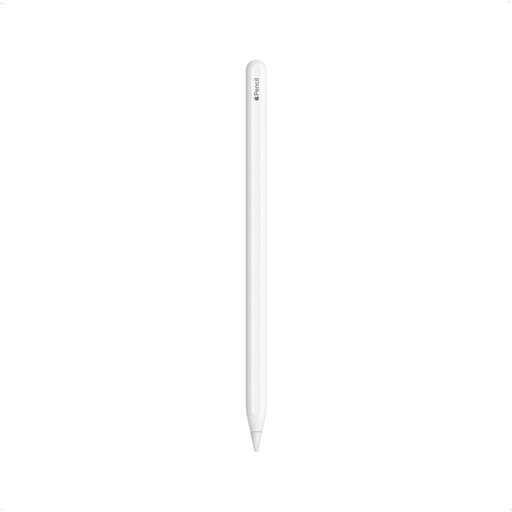 No image available
An option for drawing and sketching if you have a compatible iPad and want the stylus to charge magnetically from your tablet.
Compatibility includes specific iPad Pro, iPad Air and iPad mini models. Check whether your exact model is included.
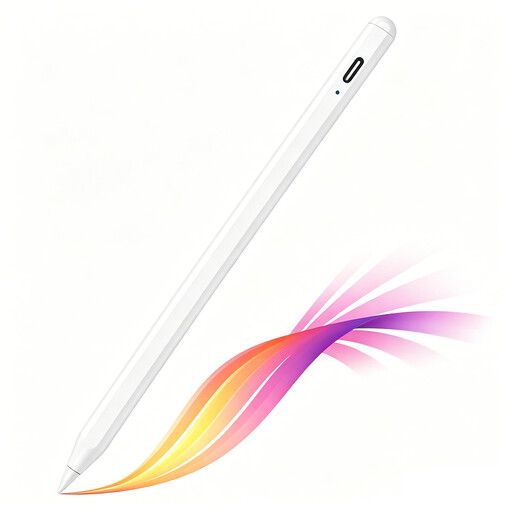 No image available
May suit sketching on a supported iPad if you’re looking for tilt detection and palm rejection.
It charges via USB-C. The magnetic attachment is for storage and doesn’t support wireless charging, so check whether your iPad model is supported.
 No image available
A good fit for sketching and drawing on a compatible iPad if you want tilt sensitivity and don’t mind charging via USB-C.
The stylus attaches magnetically to a compatible iPad for storage, but charges via USB-C, not magnetically. Check that your iPad model is compatible.
First, find the exact model of your iPad and compare it with the compatibility list for the specific Pencil model. Apple also lists different minimum iPadOS versions for Pencil Pro and Pencil (USB-C).
Huion says the PW100 has no battery, but it only works with the Huion drawing surfaces listed. Wacom also specifies a connection cable for a Wacom One pen display setup. So check the power supply and connections for the whole setup, not just the stylus.
If pairing problems continue, Apple Support suggests removing any iPad case or cover and trying again. If the problem persists, you may need to arrange a service.