
Vandaag of morgen in huis

Kwaliteit gegarandeerd

Welkomstaanbiedingen ontgrendelen: GRATIS bezorging | Tot 80% korting | Gratis 30 dagen JoyPlus-proefperiode
Download de app
Choosing a stunt scooter for your child can be a challenge. You want a model that's safe and durable, but also matches the young rider's skill level and preferences. The market is filled with options, which doesn't make the decision any easier. This guide is here to help. As a Joybuy Product Recommendation Officer, I'll filter the information and provide objective, practical advice to help you make an informed choice, free from marketing jargon.
Before you buy a stunt scooter, it's helpful to understand a few key specifications. This will help you assess a model's quality and suitability.
A freestyle scooter needs to withstand some serious use. Its durability is largely determined by the materials used.
The scooter's dimensions are crucial for control and safety. A scooter that is too tall or too short makes performing tricks unnecessarily difficult and potentially dangerous. A good rule of thumb is that the stunt scooter's handlebars should reach the rider's hip or navel when they are standing on the deck. For a kids' stunt scooter or a beginner stunt scooter, a lighter and smaller model is often the best way to start. A pro scooter is typically larger and heavier, built for more intensive use.
Look at the clamp system that connects the handlebars to the fork. A triple clamp or even a quad clamp offers more rigidity and safety than a double clamp, as it holds the components together more securely. Also, check the brake system; most stunt scooters use a friction brake on the rear wheel. It should be robust and easy to operate.
Based on specifications and suitability for different users, we've put together a few recommendations for you.
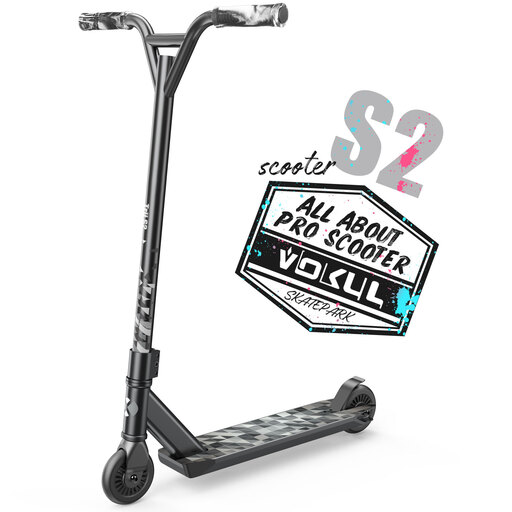
Why It Stands Out This model is specifically designed as an entry-level scooter for young riders. The construction, featuring a 6061 aircraft-grade aluminum frame and a 4130 chromoly steel bar, provides the durability needed to safely learn basic tricks. The triple clamp ensures extra stability.
Key Features
Who It's For Ideal for children aged 6 to 14 who are starting out and need a reliable trick scooter to master the basics.

Why It Stands Out The VOKUL K1 takes performance to the next level with larger 110 mm wheels and high-quality ABEC-9 bearings. This results in a noticeably smoother and faster ride. The deck is made from strong T-6061 aluminum, making the scooter suitable for more intensive use at the skatepark.
Key Features
Who It's For Suitable for riders aged 8 and up, including teens and even adults with some experience. It's a great choice for those who are regulars at the skatepark and want a fast, responsive pro scooter.
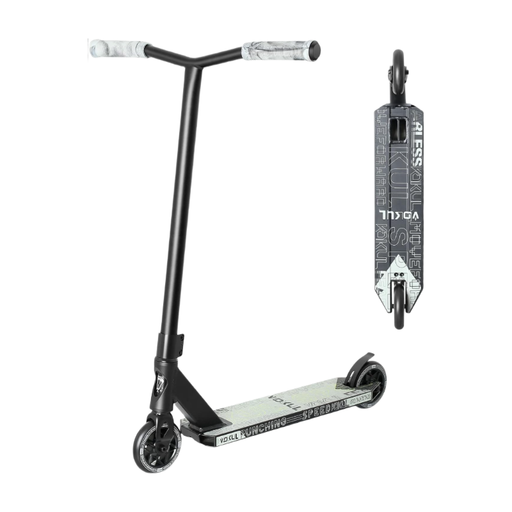
Why It Stands Out This model shares many of the strong features of the other K1, such as the T-6061 aluminum deck and 110 mm wheels with ABEC-9 bearings. A key feature of this version is its adjustable handlebars, allowing the scooter to grow with the rider.
Key Features
Who It's For A versatile choice for growing kids and teens aged 8 to 18. Its adjustability makes it a long-lasting investment that adapts to the rider's height.
Are these models not quite what you're looking for? Every rider is unique and has different needs. For a wider overview of models, colors, and specifications, you can always explore further.
See more options in our boys' stunt scooters category.
A stunt scooter is built for durability and performance, not for comfort or commuting. The key differences are that a stunt scooter is not foldable, has a fixed handlebar (not height-adjustable, unless specified otherwise), and is made from much stronger materials. The wheels are smaller and harder for greater speed and control during tricks.
Most children can start riding a stunt scooter from around 6 to 8 years old, depending on their motor skills and balance. It's important to choose a kids' stunt scooter model that is the right size and weight for the young rider. Safety gear such as a helmet, knee pads, and elbow pads is always recommended.
Regular maintenance is simple but important. Before each ride, check that all bolts, especially those on the clamp and wheels, are tight. Clean the scooter with a damp cloth and avoid getting water directly on the bearings. Inspect the wheels and deck for wear and tear to ensure safety.
