
Voice editor using a live microphone
You edit intros and sometimes record at the same time. Closed-back headphones are a sensible starting point, but test with your own microphone to see if playback leaks into the recording.


If you edit while a microphone is live or there’s other noise in the room, start with closed-back, wired studio headphones. In a quiet room, you can also compare an open-back model. Test them with the same recording of your own voice and check the fit, connection and cable supplied with the exact version: a design that looks suitable on paper doesn’t prove that you’ll hear speech flaws more clearly.
You edit intros and sometimes record at the same time. Closed-back headphones are a sensible starting point, but test with your own microphone to see if playback leaks into the recording.
You want to listen over a wired connection without excess cable cluttering your desk. Compare the cables supplied and how easily the earcups can be stored.
If you don’t record at the same time, you can try closed-back and open-back models side by side with a recording of your own voice, paying attention to the fit.
When: if you listen in a shared or noisy room, or record at the same time using a microphone.
Trade-off: fit and sound leakage vary from person to person; a long or coiled cable can get in the way on a small desk.
When: if you only edit in a quiet room and aren’t recording through a microphone at the same time.
Trade-off: open-back earcups aren’t the obvious first choice if you want to limit sound leakage into a live microphone. Also check that your audio output is suitable for the model’s impedance.
| Consideration | What should you check? | Which consumers should pay particular attention? |
|---|---|---|
| Assessing speech | Listen to the same recording of your own intro on each option, comparing intelligibility and audible interference at a sensible listening volume. | If I want to check that the words and small flaws in my own intro are easy to hear, I want to compare different models using the same recording. Around 33% of consumers give assessing speech their top priority. |
| Isolation while recording | Start with closed-back models and make a test recording using your usual fit, listening volume and microphone position. | If I record at the same time, I want to check whether playback leaks into the microphone recording. Around 27% of consumers give isolation while recording their top priority. |
| Cable and connection | Check the output on your computer or audio interface and which cable comes with the version you’ve chosen. | At a small desk, I don’t want unnecessary cable across the work surface, and the plug needs to fit my equipment. Around 20% of consumers give the cable and connection their top priority. |
| Comfort | Try the model on, if possible with your glasses, and check for pressure. Also check whether the ear cushions are replaceable. | For longer editing sessions, I want to know whether the headphones stay comfortable and whether suitable replacement cushions are available. Around 20% of consumers give comfort their top priority. |
Product descriptions and manufacturers’ claims about sound or comfort don’t test how a model works with your recording, fit or workspace.
Compare the same intro on several models and keep the listening volume sensible.
The DT 770 PRO reviewed has a nominal impedance of 80 ohms; the open-back DT 990 PRO reviewed has an impedance of 250 ohms. The model variant, connection and audio output all help determine whether the combination suits your setup.
Check the full model name, impedance, plug and cable of the specific version.
Foldable earcups don’t get rid of excess cable while you’re working. The cables supplied and whether they can be changed vary by model.
Before ordering, compare the cable’s type and length with the distance to your audio output.
The closed-back, foldable K371 is worth considering if storage and the choice of cables supplied matter to you.
The closed-back ATH-M50x is a foldable, wired option with interchangeable cables.
The closed-back, foldable HD 280 PRO is a useful comparison for monitoring.
The closed-back DT 770 PRO 80 ohm and open-back DT 990 PRO 250 ohm involve different trade-offs; the exact version matters.
The foldable MDR-7506 is a model worth comparing with other studio headphones.
These Joybuy products are wired listening options or headphones that can be used with a wired connection. Check that the connection and controls on each model suit the way you edit speech.
 No image available
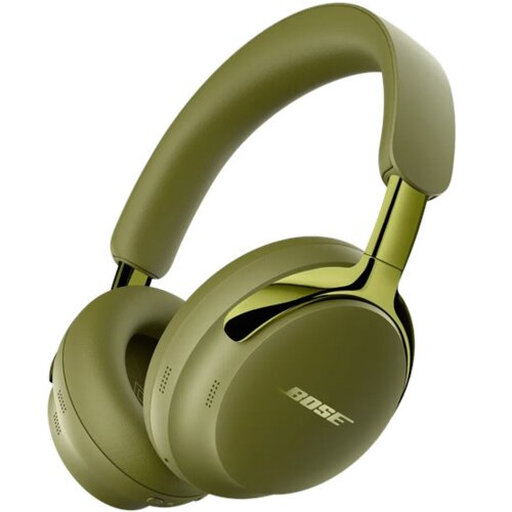
The product description also mentions passive listening using the cable supplied. Check that this way of working suits your audio setup.
The description lists a 3.5mm cable and passive use without a battery.
 No image available
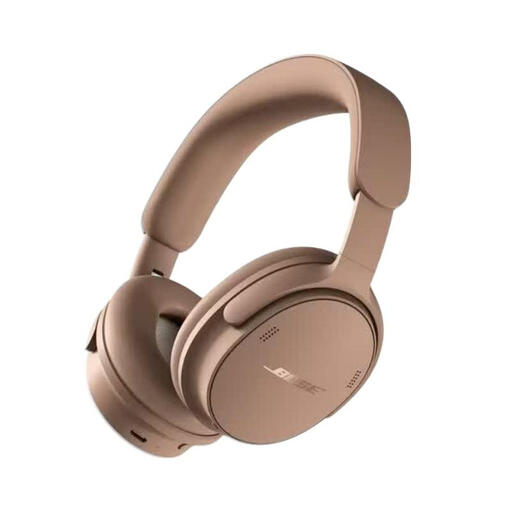
These headphones are worth comparing if you want to listen over a wired connection. Check that the connections suit your equipment.
The product information lists a detachable cable with USB-C and 3.5mm connections.
 No image available
This version is worth considering if USB audio suits your setup. Check compatibility with your equipment.
The product description lists lossless audio over USB and wireless Bluetooth connectivity.
 No image available
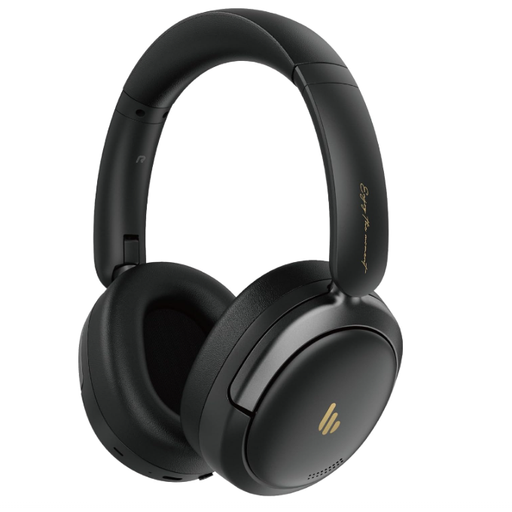
The foldable design may be useful if you want to put the headphones away after editing. Also check how the wired connection works with your equipment.
The product information lists audio over USB-C, hybrid active noise cancellation and Bluetooth 5.4.
 No image available
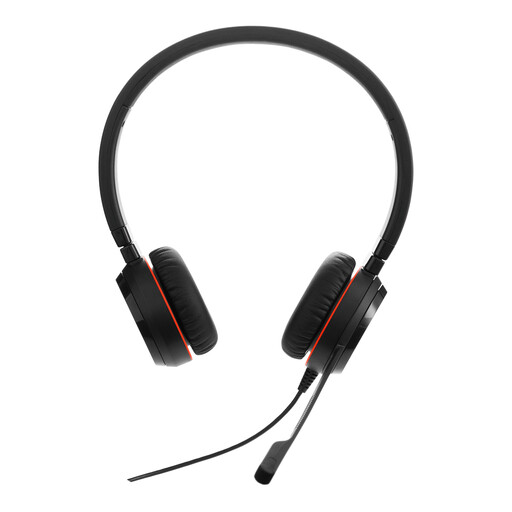
This wired stereo headset may suit a small workspace if its short cable and 3.5mm connection fit your setup.
The product description lists a 0.95 m cable and a 3.5mm connection.
If the microphone is live, compare a closed-back model first and make a test recording using your usual listening volume and microphone position. An open-back model such as the beyerdynamic DT 990 PRO is a separate option for critical listening when recording at the same time and isolation aren’t concerns.
First check the output on your computer or audio interface, then compare it with the plug on the version you’ve chosen. Sennheiser lists a 3.5mm plug with a 6.3mm adapter for the HD 280 PRO; for the DT 770 PRO 80 ohm reviewed, beyerdynamic lists a 3.5mm plug with a 6.35mm adapter.
Check whether the ear cushions are replaceable on your exact model, and keep an eye on both volume and listening time during long sessions. The World Health Organization gives 80 dB for up to 40 hours per week as an awareness example; this is not a measurement of these headphones.
According to ACM ConsuWijzer, online purchases generally come with a cooling-off period of up to 14 days after delivery, subject to statutory exceptions. If a product breaks during normal use sooner than you could reasonably expect, the seller must resolve the issue free of charge under the applicable terms. In the Netherlands, the statutory guarantee isn’t simply a fixed two-year period for every pair of headphones.