
Mixing in a quiet home studio
You mainly want to assess the placement and balance of recorded backing vocals. Open-back headphones may suit you if there’s no live microphone that needs isolating. (RTINGS.com)


If you mainly mix in a quiet home studio, wired open-back studio headphones are a sensible option to compare. If you also record vocals or hear a lot of household noise, closed-back models may be a better fit. RTINGS.com describes open-back models as offering a more spacious sound, but with more sound leakage and little isolation. Focusrite recommends closed-back headphones for vocal recording, too. Check the fit and make sure they connect to your audio interface.
You mainly want to assess the placement and balance of recorded backing vocals. Open-back headphones may suit you if there’s no live microphone that needs isolating. (RTINGS.com)
You use the same headphones to record vocals and want to stop their sound from getting into the microphone. Focusrite recommends closed-back headphones to reduce leakage when recording vocals.
Noise in your home studio can make it harder to assess subtle vocal details. In that case, the seal and passive isolation of a closed-back model may matter; the result also depends on the fit.
Choose this if: you mainly mix recorded vocal layers in a quiet room and don’t need to isolate a live microphone.
Trade-off: according to RTINGS.com, sound leaks out and little ambient noise is blocked.
Choose this if: you also record vocals or household noise makes it harder to assess quieter passages.
Trade-off: a closed-back design alone doesn’t prove that the sound balance or fit will suit your mix.
Choose this if: you want to compare a model such as the AKG K240 MKII, and isolation isn’t a deciding factor.
Trade-off: AKG describes this model as semi-open; don’t assume it provides the same isolation as closed-back headphones.
| What to consider | What to look for when buying | Who should pay particular attention? |
|---|---|---|
| Balance of vocal layers | Compare open-back models using your own reference tracks and pay attention to the fit. Open-back designs leak sound and block little ambient noise. | In a quiet room, I mainly want to hear how the vocal layers sit against each other. Around 36% of consumers prioritise mixing performance. |
| Monitoring while recording | Check whether the model is closed-back and fits well; keep the volume at a sensible level while recording. | When recording with a live microphone, I want to stop the backing mix from bleeding audibly into the recording. Around 29% of consumers prioritise monitoring while recording. |
| Household noise | Assess the seal in your own listening environment and see whether you can listen somewhere quieter before turning up the volume. | With noise in my home studio, I want to assess subtle vocal details without continually turning up the volume. Around 21% of consumers prioritise isolation from ambient noise. |
| Fit and maintenance | If possible, try the headphones during a typical session and check which parts are replaceable on the exact model. | For long sessions, I want a comfortable fit that lasts and to know whether worn parts can be replaced. Around 14% of consumers prioritise comfort and maintenance. |
Open-back models leak sound. When you’re recording with a live vocal microphone, that sound can get into the recording and make monitoring harder.
Decide in advance whether you’ll also record in the same room. If so, compare closed-back models too. If leakage turns out to be a problem, you may need a second pair of headphones for recording.
According to the manufacturer, the beyerdynamic DT 770 PRO is available in 32, 80 and 250 ohm versions. The plug also needs to fit your interface’s headphone output.
Before buying, check the full model version, connection and specifications of your audio interface. Focusrite lists a 6,35mm TRS headphone output for the fourth-generation Scarlett 2i2; a smaller plug will need an adapter.
If the plug isn’t compatible, you may need a suitable adapter or a different headphone output.
According to the World Health Organization, the amount of listening time considered safe decreases as sound levels rise.
Where possible, find somewhere quieter to listen, consider a well-fitting closed-back model and keep the volume at a sensible level. The World Health Organization gives an average level of 80 dB as one at which listening for up to 40 hours a week is considered safe.
The open-back DT 900 PRO X is worth comparing for mixing in a quiet room; the closed-back 80-ohm DT 770 PRO suits a workflow that includes monitoring while recording.
The open-back HD 490 PRO is a model to consider for mixing; the closed-back HD 480 PRO is an alternative if recording and isolation matter.
The closed-back, wired ATH-M50x is worth comparing if you record and listen in the same home studio.
The open-back K702 is worth comparing for mixing in a quiet room; the K240 MKII is a semi-open alternative.
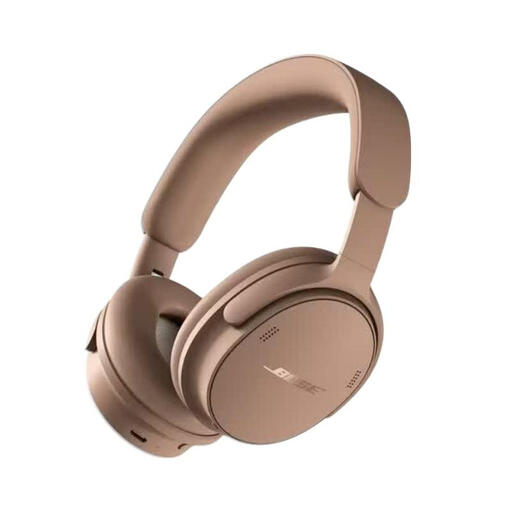
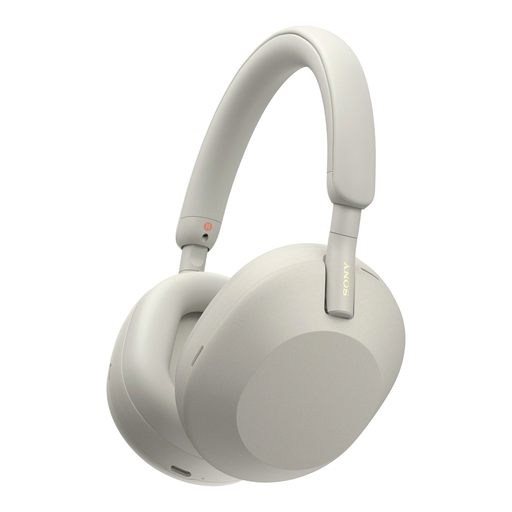
The Joybuy picks below are over-ear headphones for listening; product information for several models also lists a wired listening option. Check each model’s connection and design to make sure they suit your interface and recording needs. Wired listening alone doesn’t prove mixing accuracy.
 No image available
An option to compare if you want to listen both wirelessly and with a wired connection.
The product description lists an included 3,5mm cable and passive use without a battery. The title lists 60 hours of battery life, fast charging and four microphones.
 No image available
Worth comparing if you want to include a wired listening option in your choice.
The product description lists wired connectivity and listening when the battery is flat. Check which connection and cable will work with your audio interface.
 No image available
The product description lists a closed-back design and an audio cable, features to consider if you also record vocals.
The description lists active noise cancellation. A closed-back design alone doesn’t determine whether the sound balance is right for your mix.
 No image available
A wireless over-ear option to compare for your listening needs and home studio setup.
The product description lists Bluetooth, active noise cancellation and the ability to connect to two devices.
Yes, but bear the design in mind: closed-back headphones generally reduce leakage into the microphone while recording, while open-back models may suit mixing in a quiet room. Check your mix on other playback systems too; neither design guarantees the right sound balance on its own.
Check both your interface’s headphone output and the plug on the exact version of the headphones. Focusrite lists a 6,35mm TRS headphone output for the fourth-generation Scarlett 2i2; a smaller plug will need an adapter. Other interfaces may have a different connection.
Follow the care instructions for the exact model and check which parts can be replaced. Sennheiser lists washable, replaceable ear pads for the HD 490 PRO; don’t assume the same care instructions apply to other models.
Keep the volume at a sensible level and take breaks. The World Health Organization gives an average level of 80 dB as one at which listening for up to 40 hours a week is considered safe. This isn’t a measurement of your headphones’ output or a guaranteed safe volume setting.
When you buy from a business online, you generally have a 14-day legal cooling-off period after delivery, subject to exceptions and conditions that depend on the purchase. ACM ConsuWijzer also states that a product must do what you could reasonably expect when used normally; if there’s a fault, the seller must offer a solution under the applicable terms.