
Jazz listener who likes to explore the details
You listen repeatedly to phrasing and individual instruments, and want an enclosed listening setup rather than just background music.


Choose closed-back studio headphones if you mainly want to follow phrasing and individual instruments, and can connect your playback device by cable. If train noise is your biggest distraction, ANC travel headphones may better suit your needs, but that doesn’t automatically make them a studio reference. Check the fit and connections too, and whether your music is audible to others.
You listen repeatedly to phrasing and individual instruments, and want an enclosed listening setup rather than just background music.
Background noise can interrupt the musical flow. You’re weighing passive isolation or ANC against how much of your surroundings you want to hear.
You listen for extended periods and need to weigh up comfort, portability, wired use and, where relevant, charging.
A good fit if: you want to follow phrasing and instruments, and can connect your playback device by cable. AKG describes the K371 as foldable and supplied with a 1.2 m straight cable.
Trade-off: passive isolation partly depends on the fit; a closed-back design doesn’t automatically mean ANC.
A good fit if: you prefer listening wirelessly but also want the option of a wired connection. Audio-Technica lists Bluetooth and an included 1.2 m audio cable for the ATH-M50xBT2.
Trade-off: Audio-Technica quotes up to 50 hours of battery life; actual usage time isn’t guaranteed, and the specifications consulted don’t confirm ANC for this model.
A good fit if: background noise is the main thing distracting you from the music. Sony lists features for the WH-1000XM6 including ANC, an ambient sound mode and use with an audio cable.
Trade-off: this is a travel alternative, not a model established here as a studio reference. Sony specifies up to 30 hours of music playback with NC on and up to 40 hours with NC off.
A good fit if: you’re looking for compact monitoring headphones and find an on-ear fit comfortable. Sennheiser describes the HD 25 as a closed-back, wired monitoring option.
Trade-off: the earcups rest on your ears, so try them on to see how they feel during a longer listening session.
| What to consider | What to look for | Who should pay particular attention? |
|---|---|---|
| Jazz details | Compare the same passage at a comfortable, consistent listening volume, and check that the closed-back design and connection suit your audio source. | I want to follow phrasing and individual instruments, not just hear music in the background. Around 36% of consumers make following the details in jazz their top priority. |
| Train noise and sound leakage | Assess the fit and attenuation; check whether the exact model has ANC or an ambient sound mode, and whether music is audible to others. | If train noise masks quieter passages, I want fewer distractions without constantly turning up the volume. Around 29% of consumers give reducing background noise top priority. |
| Comfort during long sessions | Try the headphones for an extended period, with glasses if you wear them; compare over-ear and on-ear styles, and check whether the cushions are replaceable. | I want to listen throughout a long journey without the fit making me stop. Around 21% of consumers make long-wearing comfort their top priority. |
| Connecting on the go | Check the output on your phone or player, the cable supplied and, for a wired version, the exact variant. | I want to connect my headphones to my playback device without hassle, and factor in charging if I listen wirelessly. Around 14% of consumers mainly choose based on connectivity and ease of use on the go. |
A manufacturer’s description or stated frequency range isn’t an independent comparison of detail, fit and background noise on a train.
Where possible, compare the same jazz passage at a comfortable, consistent volume, and assess both the sound and how well the headphones enclose your ears.
Passive isolation and active noise cancellation are different solutions; whether ANC is available depends on the exact model.
Check each model for ANC and choose based on what bothers you most: outside noise or not having a wired studio setup.
beyerdynamic offers different impedance variants and positions the 32ohm version for mobile use.
Check the full variant name, the connection on your audio source and which cable comes with that version.
You may need an adapter if your playback device doesn’t have a compatible audio output.
The K371 is a closed-back, foldable, wired over-ear studio headphone for anyone looking to combine monitoring with portability.
The DT 770 PRO is a range of closed-back, wired studio headphones; the manufacturer positions the 32ohm version for mobile monitoring.
The wired ATH-M50x and wireless ATH-M50xBT2 cater to different connection preferences.
The WH-1000XM6 is a closed-back ANC travel model for anyone who prioritises reducing noise over an explicit studio positioning.
The HD 25 is a closed-back, wired on-ear monitoring option for anyone looking for a compact design.
This selection is suited to listening on the train, with background noise in mind. Check which connections, cables and wired listening options are available for each version.
 No image available
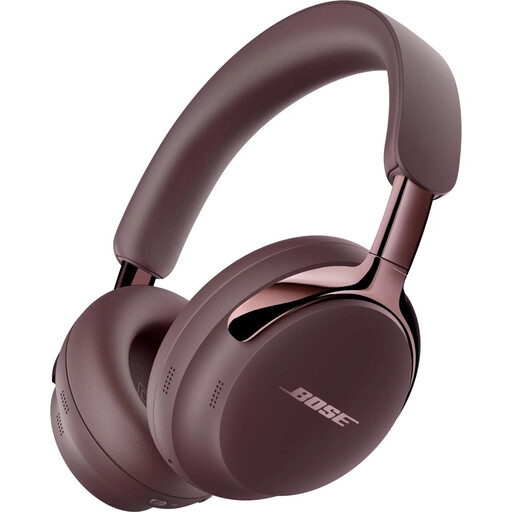
For anyone looking to reduce background noise during a train journey; check the controls and connections on this version.
The product name lists the Cherry Chocolate colour variant.
 No image available
For anyone who values wireless controls when listening on the go; check which wired options are available with this version.
Bluetooth is listed in the product name; the colour variant is black.
 No image available
For train listeners who want to take background noise into account and choose the right listening mode for each journey.
Bluetooth and an over-ear design are listed in the product name; the colour variant is black.
 No image available
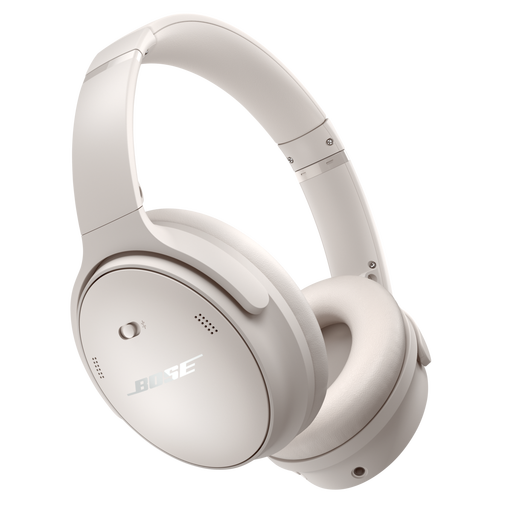
For anyone looking to reduce background noise during a train journey; check the controls and listening modes available on this version.
The product name lists wireless Bluetooth use and noise cancellation; the colour variant is white.
 No image available
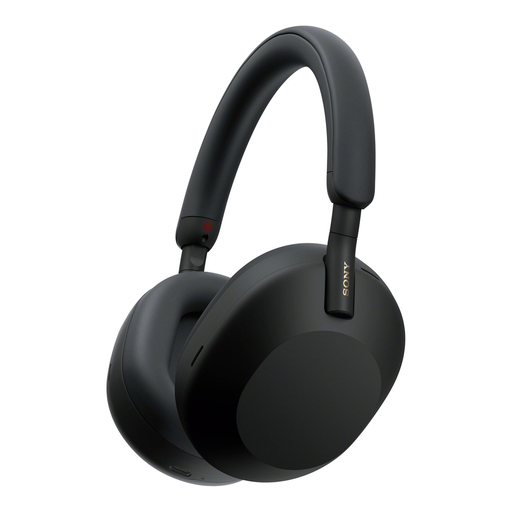
For anyone who wants to take train noise into account while listening; check the connections and listening modes available on this version.
The product name lists a wireless model with noise cancellation in the black colour variant.
Closed-back headphones are a more obvious choice if you want to hear less background noise and avoid disturbing others. Sound On Sound describes sound leakage and limited isolation as drawbacks of open-back designs; that doesn’t mean every closed-back model seals equally well.
First, check which audio output your phone has. According to the manufacturer, the 32-ohm beyerdynamic DT 770 PRO has a 3.5 mm mini-jack and a 6.35 mm adapter; you may need a separate adapter if your phone doesn’t have a compatible output. Check the exact variant and what’s included in the box.
Choose headphones that fit well, keep the volume down and take listening breaks. The WHO identifies volume, listening time and frequency of exposure together as factors in hearing risk. In noisy situations, it recommends well-fitting or noise-cancelling headphones rather than continually turning up the volume.
NS asks passengers to use headphones or earphones and be considerate of other travellers. You should also keep quiet in an NS quiet zone, so check that your music isn’t audible to others. This information applies to NS trains and doesn’t cover every rail operator in the Netherlands.
Check whether replacement cushions are available for the exact model and whether your playback device has a compatible connection. You may need an adapter if the audio source and plug don’t match; check what’s included with the version you choose.