
Theatre mixer in a quiet room
Wants to assess the spatial positioning of voices, effects and reverb, and can work without distracting background noise. Sennheiser and AKG describe their open-back models as suitable for listening and mixing.


If you’re working in a quiet room and want to assess the positioning of voices, effects and reverb, open-back headphones are suited to that listening task. If you can hear background noise or sound is leaking into a microphone, a well-fitting pair of closed-back headphones is likely to be a better choice. Bright light from the window won’t affect your decision, but prolonged exposure to direct sunlight can damage the padding in the ear cushions. Also check the exact version, connection and the volume your own audio interface can deliver; the model features mentioned here are not the result of a comparative listening test.
Wants to assess the spatial positioning of voices, effects and reverb, and can work without distracting background noise. Sennheiser and AKG describe their open-back models as suitable for listening and mixing.
Needs to hear dialogue and details clearly when other people are nearby or a microphone is being used at the same time. beyerdynamic describes the closed-back DT 770 PRO as suitable for monitoring, among other uses; Sony lists theatre use for the MDR-7506.
Should focus on fit and the condition of the ear cushions. beyerdynamic warns that prolonged exposure to sunlight can damage the foam padding; daylight alone doesn’t determine which design is right for you.
Start with the sound in the room, then check that the fit and connection suit your sessions and audio interface.
| What to consider | What to look for when buying | Who is this important for? |
|---|---|---|
| Isolation and sound leakage | Check whether the earcups are closed-back and fit snugly; also consider whether sound could reach a microphone. | If I can hear conversations or other sounds, I want to follow dialogue clearly and minimise sound leakage. Around 33% of consumers give isolation their highest priority. |
| Assessing spatial positioning | An open-back design is suited to listening in a quiet room, but it won’t block out background noise. Where possible, check important mix decisions using a second monitoring option too. | When I want to position voices, effects and reverb in a quiet room, assessing spatial placement comes first. Around 27% of consumers say this is their main consideration. |
| Fit and ear cushions | Check the fit and condition of the cushions, and find out whether replacement cushions are available for the exact model. | During long mixing sessions, I want my headphones to fit well and to be able to spot worn cushions. Around 20% of consumers prioritise comfort and maintenance. |
| Connection and power | Check the plug, any adapter and cable length for the exact version; test whether your own interface provides enough listening volume. | I want to connect to my existing interface without any surprises and listen at a usable volume. Around 20% of consumers give source compatibility their highest priority. |
The difference between open-back and closed-back designs is about isolation and sound leakage, not the amount of daylight. An open-back design lets in background noise.
First, consider whether you can hear conversations or other sounds while mixing, and whether a microphone is being used at the same time.
According to beyerdynamic, worn cushions can affect the fit and the balance you hear.
Check the cushions and look for replacement parts for the exact model before drawing conclusions about the mix.
beyerdynamic describes differences in sound between the impedance versions of the DT 770 PRO.
Check the full version, plug and connection against your own interface; don’t choose based on the model name alone.
The closed-back DT 770 PRO is designed for situations with background noise, while beyerdynamic says the open-back DT 990 PRO is suited to critical listening in a quiet room.
The closed-back ATH-M50x is a wired model for anyone looking for passive isolation.
Sennheiser says the open-back HD 560S is designed for listening in a quiet room.
AKG describes the open-back K702 as suitable for listening, mixing and mastering.
Sony associates the wired MDR-7506 with studio work and theatre use.
Below you’ll find Joybuy headphones and headsets for different listening and working situations. For a theatre mix, focus on whether the stereo image, connection and listening experience suit the decisions you need to make.
 No image available
The product name describes wireless over-ear headphones with noise cancelling. Decide whether the sound suits your mixing work, and check which connection your workflow requires.
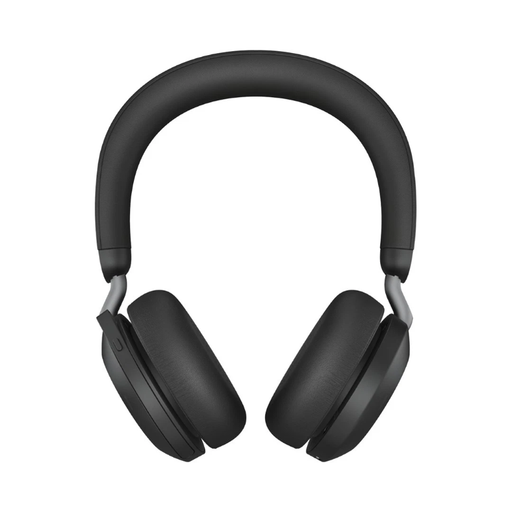 No image available
This model is sold as a headset. Check whether its stereo sound and connection are suitable for the decisions you need to make when mixing theatre sound.
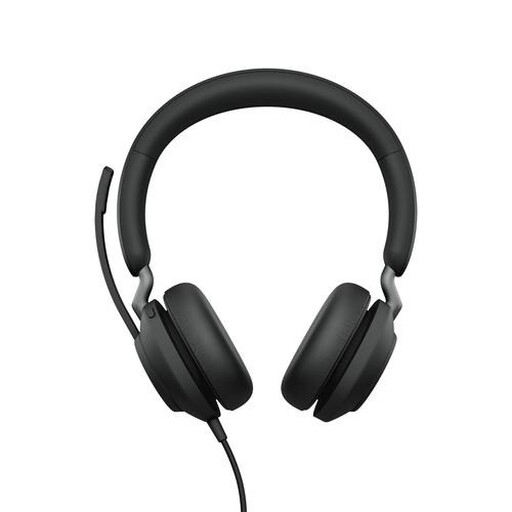 No image available
The product name identifies this version as mono. Mono isn’t suitable for assessing the stereo positioning of a theatre mix; also check that the USB-A version is compatible with your equipment.
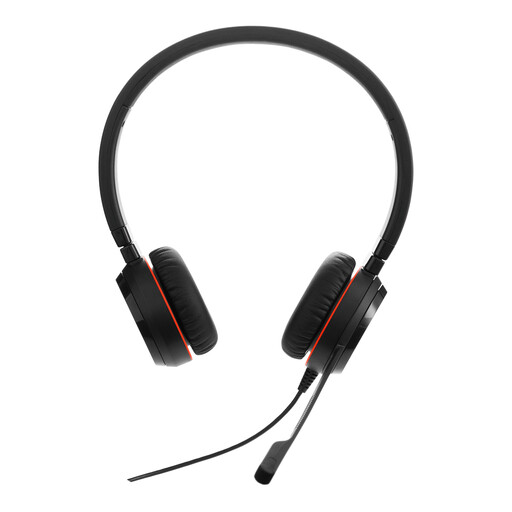 No image available
The product name describes a stereo headset. Check that the connection and sound suit your equipment and the details you want to assess in the mix.
No. Choose based on background noise, sound leakage and your mixing work, not on how bright the light is. beyerdynamic says prolonged exposure to direct sunlight can damage the foam padding in ear cushions; this is maintenance advice, not proof that a particular model is unsuitable for use beside a window.
Compare your interface output with the plug and any adapter supplied with the exact version. Then test whether it provides enough volume at a normal listening level. Don’t buy based on an impedance figure alone; beyerdynamic also describes differences in sound between impedance versions of the DT 770 PRO.
Check them if you notice a change in fit, comfort or sound. According to beyerdynamic, worn cushions can affect isolation and sound reproduction; look for replacement cushions for the exact model.
Keep the volume at a sensible level and take listening breaks; listening louder reduces the safe exposure time. The World Health Organization gives a maximum of 40 hours per week at an average of 80 dB as an example, not as a recommended listening volume or a limit you can read directly from the volume control.
For online consumer purchases, you generally have a statutory cooling-off period of up to 14 days after delivery; relevant exceptions and returns terms still apply. You’re also entitled to a statutory guarantee if a product does not meet what you could reasonably expect under normal use. These consumer rules do not necessarily apply to a business purchase for a theatre company.