
Critical tape restoration editor
Compares short sections before and after noise reduction, and wants to hear whether any wanted audio has been removed too. Audacity describes listening to the removed residue as a way to assess the editing.


In a genuinely quiet study, you could consider open-back headphones for critically comparing an edited recording; closed-back headphones may be a better choice if there’s background noise or sound leakage to consider. Compare the same extract before and after editing and, if your software allows it, listen to the removed residue too. The design alone doesn’t prove which headphones make editing artefacts easier to hear.
Compares short sections before and after noise reduction, and wants to hear whether any wanted audio has been removed too. Audacity describes listening to the removed residue as a way to assess the editing.
Usually works in a quiet room, but sometimes has to contend with noise from other people or devices. They want to assess quiet passages without turning up the volume. Closed-back models from beyerdynamic and Audio-Technica are examples to compare with open-back models.
Listens repeatedly during longer work sessions, so pays attention to fit, ear pads and keeping the volume at a sensible level. Sennheiser lists washable, replaceable ear pads for the HD 490 PRO; fit is a personal matter.
When: If the room stays quiet and sound leakage won’t disturb anyone, you could include an open-back model in your comparison.
Trade-off: An open-back design doesn’t block out background noise in the same way as a closed-back model.
When: If background noise sometimes masks quiet passages, or someone else is working in the same room, compare closed-back models too.
Trade-off: How much noise they block in practice also depends on fit; manufacturers’ descriptions aren’t independent measurements for this listening task.
When: If you specifically want to compare a wired semi-open model and full isolation isn’t essential, the AKG K240 Studio could be included in your comparison.
Trade-off: ‘Semi-open’ alone doesn’t tell you how much sound your model will block in your room.
The table frames your choice around the listening task: assessing what editing does to wanted audio, allowing for background noise, listening for long periods and checking that the connection is suitable.
| What to consider | What should you look for when buying? | Who should pay particular attention? |
|---|---|---|
| Effect of the editing | Compare the same recording before and after editing at an equal, controlled volume; listen to the removed residue too, where possible. | If I want to check whether noise reduction also affects useful audio, I need to be able to compare the same passage carefully. Around 36% of this group of consumers put editing artefacts first. |
| Background noise | Assess the fit and compare open-back and closed-back models where you work. | If there’s sometimes noise from people or devices, I want to assess quiet passages without turning up the volume. Around 29% of consumers put blocking out background noise first. |
| Fit and listening time | If possible, try the headphones on with your glasses; check the ear pads and take breaks. | When listening repeatedly, I want a fit that stays comfortable for me, without turning up the volume to pick out quiet hiss. Around 21% of consumers put long-term comfort first. |
| Connection and maintenance | Check the connection on the exact model, any adapter and the replacement parts available. | If I want to use the headphones with my own interface or computer, the connection needs to suit my setup. Around 14% of consumers put connection and maintenance first. |
A frequency range on paper doesn’t tell you, by itself, how you’ll hear small differences in a particular recording; fit and your hearing matter too.
Compare models using the same recording and the same carefully controlled volume. For restoration, listen to the passage before and after editing, as well as to the removed residue.
Noise from people or devices can make quiet residual sounds harder to hear, even if the room is usually peaceful.
Work out how quiet the room actually stays while you’re checking recordings, and include a closed-back model in your comparison if you need noise isolation.
A commercial warranty isn’t the same as your statutory right to a product that meets reasonable expectations. The Dutch government and Business.gov.nl explain these rights separately.
For your specific purchase, check both the terms of any commercial warranty and your statutory rights with the seller.
The DT 770 PRO is a closed-back option; the DT 900 PRO X is an open-back alternative.
The wired, closed-back ATH-M40x and ATH-M50x are models to compare if noise isolation or cable options matter to you.
The open-back HD 490 PRO is an option to consider in a consistently quiet room.
The K240 Studio is a semi-open model you could include in your comparison.
The closed-back MDR-7506 is a wired monitor headphone to compare with other closed-back designs.
This Joybuy selection includes over-ear headphones. For checking tape hiss, make sure each version’s connection suits your own listening setup.
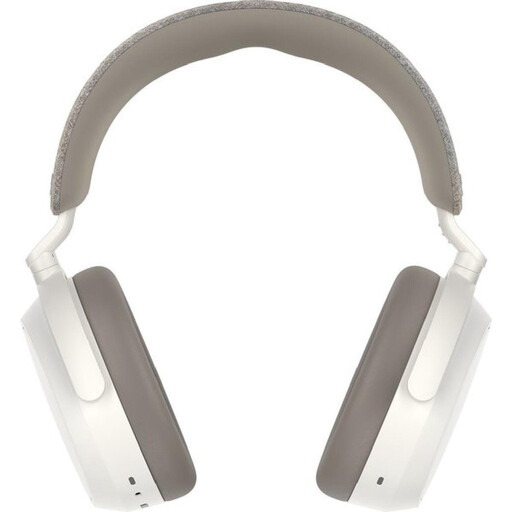 No image available
If you’re considering this model for listening comparisons, check that the wired listening option and connection you need are suitable for this version.
 No image available
Before choosing this version for critical listening, check that its connection is compatible with your audio interface or computer.
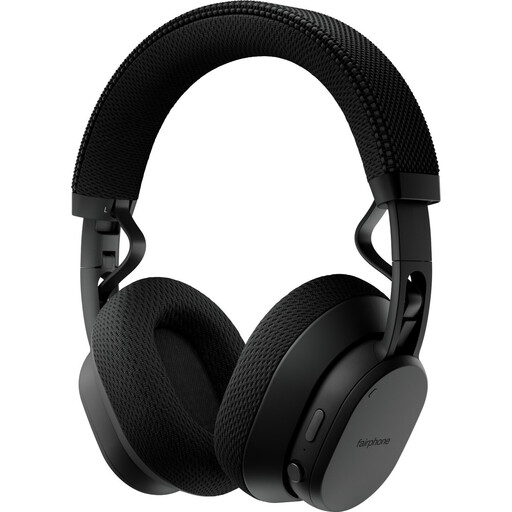 No image available
If replaceable parts matter to you for long-term use, check which parts are available for this version.
 No image available
If you want to use this version wired for listening comparisons, check the connection and whether your own equipment provides a suitable output.
 No image available
For this version, check that the wired connection you need is compatible with your audio source, and that you can set a suitable listening volume from that output.
Listen to the same short passage before and after editing at a controlled volume. Audacity describes listening to ‘Residue’—the material that’s filtered out—as a way to check whether it includes any wanted audio. Headphones don’t replace this comparison.
Check the output on your own interface or computer against the plug on the exact model. Audio-Technica lists a 3.5mm plug for the ATH-M40x; beyerdynamic specifies a 3.5mm connection with a 6.35mm adapter for the DT 900 PRO X. Also check that your output provides a suitable volume with the headphones you choose.
Keep the volume low and take breaks. The World Health Organization gives a general guideline of up to 40 hours per week at an average of 80 dB, and says the recommended listening time falls quickly at higher levels. This is general listening advice, not a measurement of your headphones or a statutory product limit.
For applicable online consumer purchases, the Dutch government says you’ll often have a 14-day cooling-off period, subject to exceptions. The product must also meet what you can reasonably expect. Business.gov.nl explains that a commercial warranty doesn’t replace this statutory right. Check the terms that apply to your specific purchase.