Who is this choice for?

Mixing alongside colleagues

You want to work in a busy office without your track leaking out clearly or conversations disrupting what you hear. Start with a well-fitting closed-back model and test it at the volume you actually mix at. Sound On Sound discusses the choice between open- and closed-back studio headphones.

Checking kick and bass

You want to know whether the kick and bass stay balanced when heard outside your headphones. Compare familiar reference tracks and, where possible, check your mix on other playback systems. Sonarworks explains why listening on headphones can feel different from listening on speakers.

Mixing in long sessions

For long sessions, fit, ear cushions, and the right cable and plug can all matter. Check whether parts are replaceable and whether the headphones connect to your laptop or audio interface. For specific models, beyerdynamic and Audio-Technica mention replaceable cushions or a detachable cable.

What should you look for when choosing?

Closed-back, wired model

Choose this when: colleagues sit nearby or conversations interrupt your mixing.

Bear in mind: fit and seal both affect how much sound is exchanged with your surroundings; test them at your usual mixing volume.

Open-back studio headphones

Consider these when: you work separately or sound leakage is acceptable in your working environment. The manufacturer describes the open-back DT 900 PRO X as suitable for critical listening and mixing.

Bear in mind: an open-back design lets more sound pass between the headphones and your surroundings, so it may not be the obvious choice for a shared desk.

Mixing on closed-back headphones, with an extra listening check

Choose this approach when: you need closed-back headphones in the office but want to assess the kick, bass and stereo image accurately.

Bear in mind: checking on other playback systems takes extra time and requires a suitable place to listen.

Point to consider What to look for when buying Who is this important for?
Sound leakage and office noise Compare open- and closed-back designs and their fit; test whether colleagues can hear your mix at your usual, not elevated, listening volume. If I mix alongside colleagues, I want to minimise sound leakage and avoid having to keep turning up the volume to drown out conversations; around 36% of consumers in this situation prioritise office isolation.
Kick, bass and how the mix translates Compare familiar references at the same listening level and plan to check your mix on other playback systems. Sonarworks discusses the difference between listening on headphones and listening on speakers. When the kick and bass are the most important mixing decisions, I want to know how my track sounds elsewhere; around 29% of consumers in this situation make that balance their top priority.
Comfort during long sessions Wear the headphones for a realistic-length session and check the ear cushions, headband and whether parts can be replaced. If I mix for hours at a time, I want the headphones to stay comfortable and any wear parts to be replaceable; around 21% of consumers in this situation prioritise lasting comfort.
Connection and maintenance Check the plug, cable, available output and full model name, including the impedance variant. When I switch between a laptop and an audio interface, I want to know whether the connection and drive requirements are suitable; around 14% of consumers in this situation prioritise connection and maintenance.

Common pitfalls

  • Choosing open-back headphones without considering your colleagues

    The sound of an open-back model does not prevent leakage in a busy office.

    First, work out whether colleagues sit close enough to hear your music. Only then compare open- and closed-back models.

    You may need a separate workspace or an additional pair of closed-back headphones if sound leakage in the office is not acceptable.

  • Finishing a dance mix based only on the lowest stated frequency

    A frequency range on paper does not prove that the kick and bass will sound balanced on other systems. Sonarworks points out that headphones do not provide the same physical experience of low frequencies or stereo cues as speakers.

    Use familiar references and, where possible, check the mix on other playback systems.

    Allow time for that extra listening check.

  • Treating different DT 770 PRO variants as the same model

    The DT 770 PRO 80 ohm, DT 770 PRO 250 ohm and DT 770 PRO X are different variants. The manufacturer recommends the 250 ohm version for powerful audio interfaces or mixing desks.

    Compare the full model name, impedance, plug and cable with the output on your own equipment.

Brands worth considering

beyerdynamic

The brand offers closed-back DT 770 PRO variants and the DT 770 PRO X, as well as the open-back DT 900 PRO X. The full model name and impedance are important when comparing them.

  • According to beyerdynamic, the DT 770 PRO X has a detachable mini-XLR cable and an impedance of 48 ohms. The classic DT 770 PRO 80 ohm has replaceable ear cushions.
  • The DT 770 PRO 250 ohm requires careful consideration of how it will be driven; beyerdynamic recommends this variant for powerful audio interfaces or mixing desks. The open-back DT 900 PRO X may not be the obvious choice for a workspace alongside colleagues.

Audio-Technica

The closed-back ATH-M40x is a wired model that Audio-Technica describes as suitable for monitoring and mixing.

  • Audio-Technica lists a detachable cable and foldable design.
  • The description of a flat response is a manufacturer claim, not an independent measurement of low-frequency reproduction in your office.

Sennheiser

The closed-back HD 280 PRO is an option to compare if passive isolation and replaceable ear cushions are important to you.

  • Sennheiser lists replaceable ear cushions and a supplied 3.5 mm connection with a 6.35 mm adapter.
  • Sennheiser claims ambient noise attenuation of up to 32 dB. This maximum is not guaranteed for every fit or across all office frequencies.

Sony

Sony describes the closed-back MDR-7506 as a foldable professional monitoring model.

  • Sony lists a 40 mm driver and a 3 m cable for the MDR-7506.
  • A fixed 3 m cable needs to suit your workspace and how you use the headphones. The product description does not prove that this model is the right choice for dance bass.

AKG

The closed-back K371 is a foldable over-ear model to include in your comparison.

  • AKG lists isolating ear cushions and a foldable design.
  • Statements about neutral or accurate sound are AKG claims and do not amount to an independent performance comparison with the other models mentioned.

Headphones and headsets at Joybuy

Below are headphones and a headset from Joybuy for listening and use in a working environment. Before mixing a dance track, check the connection on each model and assess your mix using familiar references; noise-cancelling features alone do not prove that a model is suitable for mixing.

Sennheiser MOMENTUM 4 Wireless, black

Sennheiser MOMENTUM 4 Wireless, black

The product description mentions wired listening using the supplied 3.5 mm cable; check that this connection suits your mixing setup.

The description lists 42 mm transducers, app EQ and Adaptive Noise Cancellation. Listening wired without a battery is also mentioned.

Joybuy
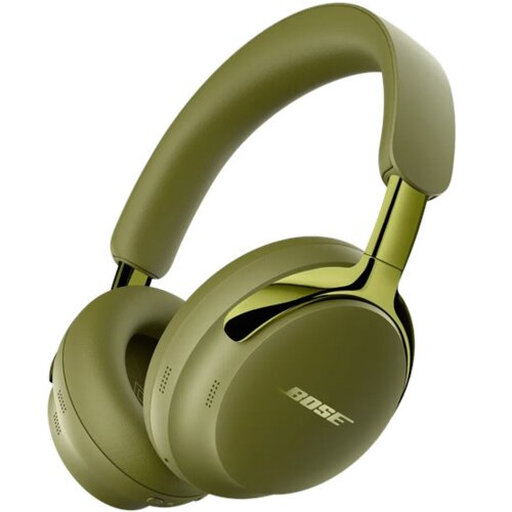
Bose QuietComfort Ultra Headphones (2nd Gen), olive green

Bose QuietComfort Ultra Headphones (2nd Gen), olive green

The product description mentions a detachable cable with USB-C and 3.5 mm connections; check which connection your equipment uses.

Active noise cancellation is listed. On its own, this feature does not indicate how well the headphones reproduce a mix.

Joybuy

Bose QuietComfort Ultra Bluetooth Headphones, black

Bose QuietComfort Ultra Bluetooth Headphones, black

The product description mentions a supplied audio cable and a closed-back design; check the connection and the stated use for your source device.

Bluetooth 5.3 and active noise cancellation are listed. These features alone do not tell you how the headphones will reproduce your mix.

Joybuy
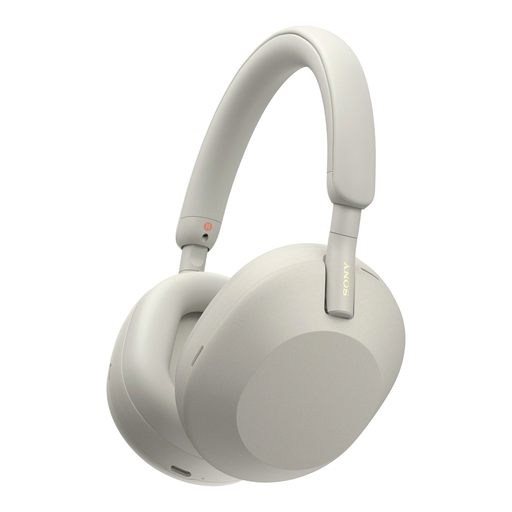
Sony WH-1000XM5, silver

Sony WH-1000XM5, silver

The product information lists an over-ear design and noise cancellation for listening in distracting environments.

Four microphones, LDAC and Speak-To-Chat are mentioned in the product description. Check separately which connection and listening mode suit your mixing workflow.

Joybuy
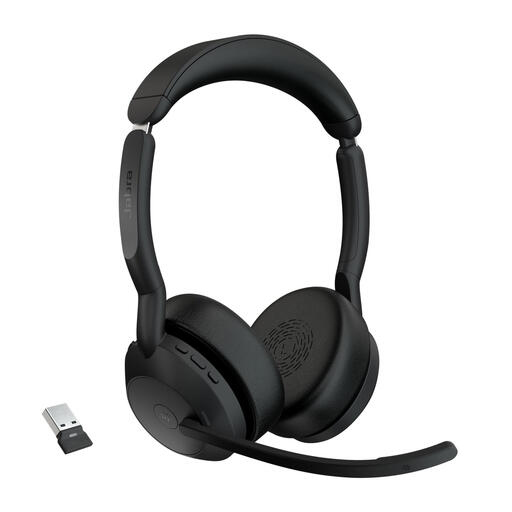
Jabra Evolve2 55, Link380a MS Stereo

Jabra Evolve2 55, Link380a MS Stereo

The product description mentions use in office and hybrid working environments; check whether a headset meets your mixing needs.

Bluetooth 5.2, connection to two devices, active noise cancellation and battery life of up to 18 hours are listed.

Joybuy

Frequently asked questions

Can I mix on open-back studio headphones in a shared office?

You can if sound leakage is acceptable to the people around you or if you can work separately. Open-back models let more sound pass to and from your surroundings; for a desk alongside colleagues, a well-fitting closed-back model is the logical first option to compare.

How do I check whether the headphones will work with my laptop or audio interface?

Check the headphone output, plug and any adapter, and read the full model name, including the impedance variant. The DT 770 PRO is available in 80 ohm and 250 ohm models, among others; beyerdynamic recommends the 250 ohm version for powerful audio interfaces or mixing desks. Don’t listen louder than necessary.

What can I do if the kick and bass sound right on my headphones but not elsewhere?

Compare familiar reference tracks on the same headphones, then check your mix on other playback systems. Headphones do not provide the same physical experience of low frequencies or stereo cues as speakers; a frequency range specification alone will not resolve that difference.

What should I look for in comfort and maintenance during long sessions?

Wear the headphones for a realistic listening session and check whether the ear cushions and cable can be replaced on the exact model. A stated weight alone does not predict how a model will feel on your head.

How can I listen safely while mixing?

Pay attention to the volume, how long you listen and how often you are exposed to loud sound. The World Health Organization identifies all three as factors in safe listening, so take breaks and don’t listen louder than necessary.
