
Editor at a shared desk
Compares several recordings while colleagues are nearby, and wants to limit distractions and sound leakage. Product information from beyerdynamic and Sennheiser describes closed-back models and differences in isolation.


When comparing recordings at a shared desk, a well-fitting pair of closed-back headphones is a sensible choice if you want to limit sound leakage to colleagues. Also check that your playback source is compatible with the connector and impedance of the specific version. Keep your playback settings consistent, and measure programme loudness and true peak separately: EBU R 128 and ITU-R BS.1770 describe measurement methods, but headphones cannot measure these values for you. A broadcast target level is not automatically right for every publishing platform, and you’ll need to judge the fit and clamping pressure for yourself.
Compares several recordings while colleagues are nearby, and wants to limit distractions and sound leakage. Product information from beyerdynamic and Sennheiser describes closed-back models and differences in isolation.
Wants to assess differences between episodes, combining listening with measurements of programme loudness and peaks. The European Broadcasting Union and the International Telecommunication Union describe measurement methods for programme loudness and true peak.
Switches repeatedly between recordings, so pays attention to fit, connectivity and replaceable parts. Product information from beyerdynamic, Sennheiser and Audio-Technica describes differences in design and maintenance.
Start with your working environment and measurement workflow. Then compare the headphones’ fit, connectivity and maintenance requirements.
| What to consider | What to look for | Who is this important for? |
|---|---|---|
| Isolation and sound leakage | Check how they fit around your ears and, at a moderate volume, listen for any sound escaping. | If I listen to recordings alongside colleagues, I want to limit distractions and audible sound leakage without turning up the volume. Around 34% of consumers prioritise isolation above all else. |
| Loudness comparison | Keep your playback settings consistent and measure programme loudness and true peak separately. | When comparing episodes, I don’t want to confuse differences in programme loudness with peak levels. Around 33% of consumers prioritise being able to compare recordings reliably. |
| Fit for long sessions | Assess the pressure from the headband and ear cushions, and check whether the cushions are replaceable. | If I switch between recordings often, I want a fit that feels comfortable during my own listening sessions. Around 20% of consumers prioritise wearing comfort. |
| Connectivity and maintenance | Check the connector and impedance of the exact version against your playback source, and see which parts can be replaced. | If I want to connect my headphones to my own equipment and use them for longer, I also check the cables and ear cushions. Around 13% of consumers prioritise connectivity and maintenance. |
Comparing recordings based only on peak level can leave differences in programme loudness. EBU R 128 covers programme loudness, while ITU-R BS.1770 describes measurements of programme loudness and true peak.
Measure programme loudness and peaks separately, and use the headphones as an additional listening check.
Open-back headphones let sound escape; beyerdynamic highlights this as a difference from closed-back models. That can matter in a shared workspace.
Choose according to the level of sound leakage that’s acceptable in your workspace, and assess the isolation at a moderate volume.
beyerdynamic gives separate recommendations for the 32, 80 and 250 Ω versions. The model name alone won’t tell you which variant is right for your playback source.
Before buying, check the full impedance version and compare it with the output of your computer or audio interface.
The closed-back HD 280 PRO may suit you if isolation and replaceable ear cushions are important.
The closed-back DT 770 PRO is available in different impedance versions for different playback sources.
The closed-back ATH-M50x is a wired option if a detachable cable is important to you.
The closed-back, foldable K371 is a wired option for anyone who listens in different workspaces.
The foldable MDR-7506 is a wired option to compare with others.
The Joybuy product picks below are intended for listening in a shared workspace; the listed connections and features vary by model. When comparing recordings, also use separate measurements of programme loudness and true peak.
 Image unavailable
The product information lists noise cancelling and a wired listening option; check whether this connection suits your regular listening setup.
The description mentions a 3.5mm audio cable and passive use without a battery.
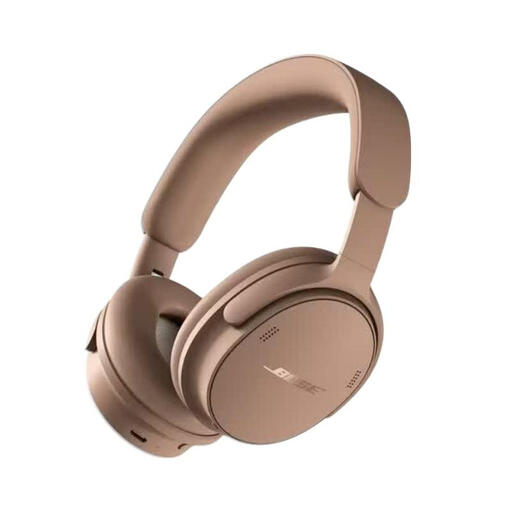 Image unavailable
The product information lists noise cancelling and USB audio; check whether this USB connection suits your device and listening workflow.
The description mentions lossless audio via USB.
 Image unavailable
The product description lists closed-back earcups, active noise cancelling and an audio cable; check the connection for your own setup.
According to the description, the headphones can be used with the audio cable without a battery.
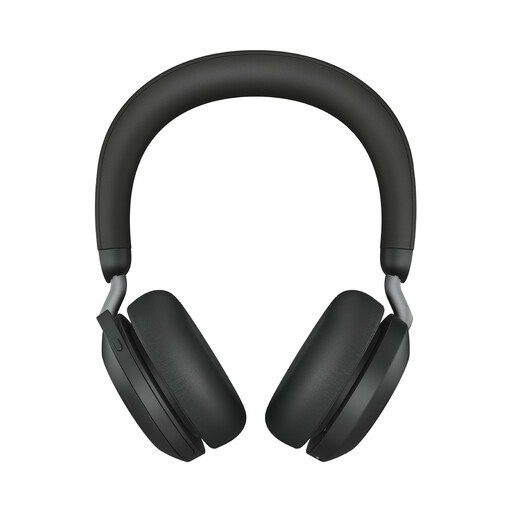 Image unavailable
The product information lists adjustable active noise cancelling for office and call centre use; check whether the stated connection suits your listening workflow.
The description lists Bluetooth and battery life of up to 36 hours.
 Image unavailable
The product description lists active noise cancelling and a detachable cable with a 3.5mm connector; check that the connection is compatible with your equipment.
The description lists Bluetooth 5.4 and a foldable design.
No. Listen with consistent playback settings, but also measure programme loudness and true peak. EBU R 128 covers measurements for broadcast programmes; a broadcast target level isn’t automatically the right delivery target for your platform.
That depends on the output of your computer or audio interface and the exact version of the headphones. According to Sennheiser, the HD 280 PRO has a 3.5mm plug with a 6.3mm adapter. beyerdynamic gives separate recommendations for the 32, 80 and 250 Ω versions of the DT 770 PRO.
Check whether the ear cushions and cable can be replaced on the exact version. Sennheiser lists replaceable cushions for the HD 280 PRO, and Audio-Technica lists a detachable cable for the ATH-M50x. If a consumer product is faulty in the Netherlands, the retailer is your point of contact for the statutory guarantee; this isn’t necessarily limited to the manufacturer’s warranty period.
No. Don’t automatically treat ordinary studio headphones as hearing protection. According to Arboportaal, the employer’s and employee’s obligations depend on daily noise exposure: above 80 dB(A), the employer must provide hearing protection, and above 85 dB(A), employees must wear it. Whether such exposure occurs in your workplace needs to be assessed separately.
Not automatically. According to the European Union, CE marking is required only for products covered by harmonised EU rules that require it. Check which product rules apply to the specific version.