
Mixers working alongside colleagues
You share a desk or workspace and want to assess your film score without being constantly distracted by conversations or disturbing others with playback sound.


At a shared desk, closed-back wired studio headphones are generally the more sensible place to start. Open-back models are better suited to a quiet workspace where you want to assess stereo positioning and reverb, and sound leakage isn’t a concern. RTINGS describes this trade-off between spacious sound and isolation. With either type, check the fit and connection, and listen to the finished mix on another playback system too.
You share a desk or workspace and want to assess your film score without being constantly distracted by conversations or disturbing others with playback sound.
You can work during a quiet period and want to focus on stereo positioning, reverb and depth in your film score.
You wear headphones during long sessions and want to take fit, cable routing and replaceable parts into account when choosing a pair.
Choose these when: you work near other people and isolation and limited sound leakage matter.
Bear in mind: a closed-back design doesn’t guarantee neutral bass response or a comfortable fit for you; check your mix on another system too.
Choose these when: you can work in peace and want to assess stereo positioning, ambience and reverb.
Bear in mind: open-back models leak sound and offer little isolation from background noise, which can make them unsuitable at a shared desk.
| What to consider | What should you check? | Who should pay particular attention? |
|---|---|---|
| Isolation and sound leakage | Check whether the model is closed-back and whether the ear pads fit snugly. | If colleagues work nearby, you’ll want to reduce background noise and avoid disturbing others with your mix. Around 36% of consumers put isolation first. |
| Stereo, reverb and translation | Check that sound leakage is acceptable and listen to your mix on another playback system too. | If you mainly want to assess the spatial choices in a film score, focus on stereo, reverb and depth. Around 29% of consumers make this their top priority. |
| Comfort during long sessions | Pay attention to pressure around your ears and head, and check whether replacement ear pads are available for the exact version. | For long editing and mixing sessions, you’ll want a fit that stays comfortable for you. Around 21% of consumers put long-term comfort first. |
| Connection and cable | Compare the plug and cable length with your audio interface, and check which replacement cable type is compatible. | If you mainly need a practical connection and a cable you can maintain, check that it works with your own setup. Around 14% of consumers consider this their main buying concern. |
An open-back design can be suitable for assessing spatial detail, but it leaks sound and does little to block out conversations. This can be distracting or disturb others.
First, work out how busy your workspace is and when you can mix without interruption. Then choose between open-back and closed-back.
Headphones present left and right channels differently from loudspeakers, which can change how stereo and depth sound.
Check the finished score, including reverb and balance, on another playback system too.
A model’s specifications and marketing claims won’t tell you how it will fit your head or sound in your mixing setup.
Check the exact version, fit and available parts. Before using it for long sessions, also check the applicable returns policy.
The DT 700 PRO X is closed-back, while the DT 900 PRO X is open-back. Both models are wired and have a nominal impedance of 48 ohms, according to the product information.
The HD 480 PRO is a closed-back, wired model; the HD 490 PRO is open-back and wired.
The ATH-M50x is a closed-back, wired model with replaceable cables.
Shure positions the closed-back SRH840A for studio monitoring and content creation.
Sony describes the closed-back MDR-M1 as reference headphones for tasks including tracking, mixing and editing.
These Joybuy headphones may be relevant to this topic; check whether each model’s connection and features suit studio work and your mixing setup.
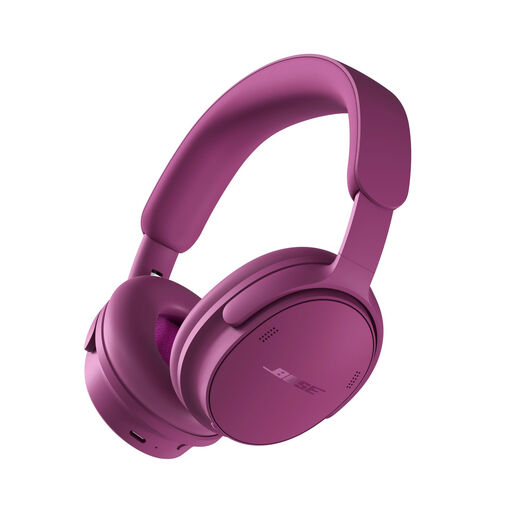 No image available
Before using this model for a film score, check that it connects to your audio interface and suits the way you monitor.
 No image available
Before using it for studio work, check that the connection is compatible with your interface and that the model suits your mixing workflow.
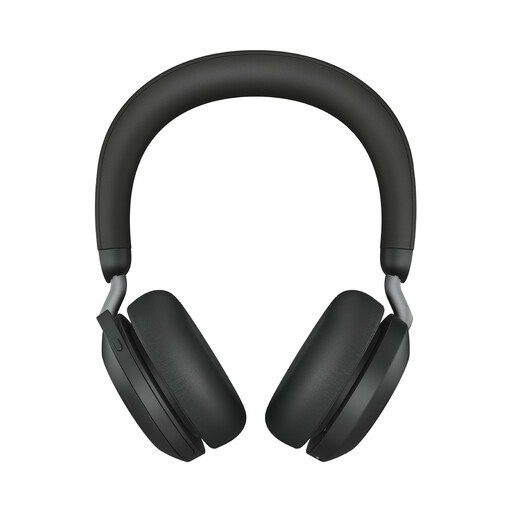 No image available
Check that the USB-A version is compatible with your equipment and that this headset meets your requirements for assessing a mix.
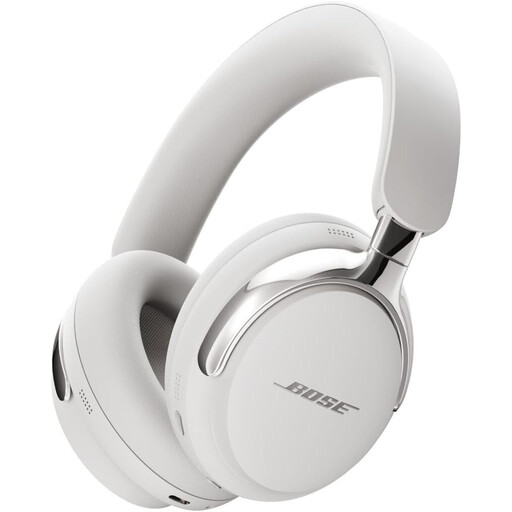 No image available
Check the connection with your own equipment and decide whether the features suit the way you edit and mix.
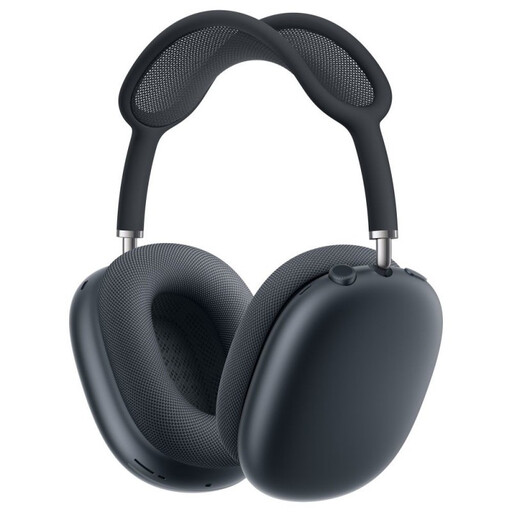 No image available
Before using this model to make decisions about your film score, check that it works with your audio equipment and mixing workflow.
Use headphones to check details and edits, but check stereo, reverb and balance on another playback system too. Headphones present left and right channels differently from loudspeakers.
It depends on your interface’s output. According to beyerdynamic, the DT 700 PRO X comes with a 3.5 mm plug and a 6.35 mm adapter; check that the plug, adapter and cable length suit your setup.
Keep the volume low, take breaks and don’t keep turning it up to drown out noise at your desk. The World Health Organization stresses that both sound level and duration of exposure matter.
For distance purchases from a business, you’ll often have a 14-day cooling-off period; exceptions and conditions may apply. According to the Dutch government, there is no fixed statutory guarantee period in the Netherlands: what is reasonable depends partly on the product. Check the applicable terms before you buy.