If you’re practising a harmony alongside a flatmate or recording yourself, start with a well-fitting pair of wired, closed-back headphones. They help limit sound escaping from the ear cups. Open-back models are better suited to critical listening when sound leakage won’t disturb anyone. Whichever you choose, check the fit and connection, and listen at a sensible volume.
Who is this choice relevant to?
Singer sharing a bedroom
Practises a harmony while someone else is in the same bedroom and mainly wants to stop the backing track from sounding loud through their headphones. RTINGS.com and Sound On Sound identify sound leakage as something to consider with both closed-back and open-back headphones.
Singer recording themselves
Wants to hear their vocal part clearly and prevent the backing track or a metronome from leaking into the microphone through their headphones. Focusrite recommends closed-back headphones for vocal recording to reduce sound escaping from the headphones.
Practises the same parts often
Listens to passages repeatedly and wants to consider fit, replaceable parts and a connection that works with their equipment. Check the exact model variant, as connections and components can differ between models.
What should you look for when buying?
Closed-back headphones
Choose these if: you practise with someone in the same room or sing into a microphone.
Bear in mind: the seal and comfort depend on the fit; headphones won’t silence your own unamplified singing.
Open-back headphones
Choose these if: you’re critically listening to a recording or mix and sound leakage isn’t a problem.
Bear in mind: open-back ear cups let sound in and out, making them less suitable beside a flatmate or a sensitive recording microphone.
| Consideration |
What to look for |
Who this matters to |
| Sound leakage |
Look for a closed-back design and check that the ear cushions fit snugly. Test the playback with someone sitting next to you; your own singing is a separate matter. |
When I practise in a shared bedroom, I want as little sound from the backing track as possible to escape. Around 36% of consumers prioritise reducing playback leakage. |
| Monitoring or recording vocals |
Try listening to yourself at a sensible playback volume. Also check whether your interface or microphone sends your vocals back to you. |
When I record a harmony, I want to hear my vocals clearly without the backing track reaching the microphone. Around 29% of consumers prioritise vocal monitoring. |
| Comfort |
If possible, try the headphones on with your glasses and check for pressure and space around your ears. See whether the ear cushions are replaceable. |
When practising the same parts repeatedly, I want a fit that feels comfortable to me, even during longer sessions. Around 21% of consumers put comfort first. |
| Connection and maintenance |
Check your device’s output and the supplied plug or adapter. Audio-Technica lists a 3.5mm plug for the ATH-M40x; beyerdynamic lists a 3.5mm plug with a 6.35mm adapter for the DT 770 PRO 80 ohm. |
If I want to keep using my existing equipment, I check the plug and replaceable parts for the exact variant. Around 14% of consumers prioritise connection and maintenance. |
Common buying mistakes
-
Choosing an open-back model just because it’s studio headphones
Open-back ear cups let sound into the room and can leak sound into a recording microphone. RTINGS.com and Sound On Sound both identify sound leakage as something to consider when recording.
Choose according to your situation: if you’re practising beside a flatmate, start by looking at closed-back models. An open-back model may suit you if you can listen critically to a mix without being disturbed.
-
Expecting closed-back headphones to muffle your own singing
The seal mainly limits sound escaping from the ear cups. Your own unamplified voice will still be audible in the bedroom.
If needed, agree practice times with your flatmate, and assess playback leakage separately from the sound of your own voice.
-
Focusing only on the brand or model range
Models in the same range may have different designs, impedance or connections. Replaceable parts can also vary between versions.
Check the full model name, your device’s connection and which plugs, adapters and parts are included with the exact version.
Brands and models to consider
Audio-Technica
The closed-back ATH-M40x is a wired option for practice and monitoring.
- Audio-Technica lists a 3.5mm plug, two detachable cables and an impedance of 35 ohm for the ATH-M40x.
- The manufacturer mentions sound isolation; how well the ear cups fit depends on the individual fit.
beyerdynamic
The closed-back DT 770 PRO 80 ohm and open-back DT 990 PRO 250 ohm are different models for different listening environments.
- For the DT 770 PRO 80 ohm, beyerdynamic lists replaceable ear cushions and a 3.5mm plug with a 6.35mm adapter.
- The open-back DT 990 PRO 250 ohm is less suitable when minimising sound leakage is a priority. Don’t confuse the models or impedance variants.
Sennheiser
The closed-back HD 280 PRO and HD 480 PRO are separate options for studio use.
- Sennheiser lists replaceable ear cushions and a 3.5mm plug with a 6.3mm adapter for the HD 280 PRO.
- RTINGS.com includes the HD 480 PRO in its closed-back studio headphones category; that categorisation doesn’t determine which version is right for every singer.
Sony
Sony presents the MDR-7506 for recording and studio environments.
- Sony lists a 3 m cable and a weight of 230 g for the MDR-7506.
- These product specifications alone don’t tell you how comfortable the headphones are or how much sound they leak.
AKG
The closed-back K371 is a foldable pair of studio headphones with a detachable cable.
- AKG lists oval ear cushions, a detachable cable and an impedance of 32 ohm.
- Check the exact version and what’s included in the box before buying.
Joybuy products
This Joybuy selection features over-ear models for listening to audio. For each model, check whether the ear cups are closed-back and whether the connection suits the way you practise or record.
 No image available
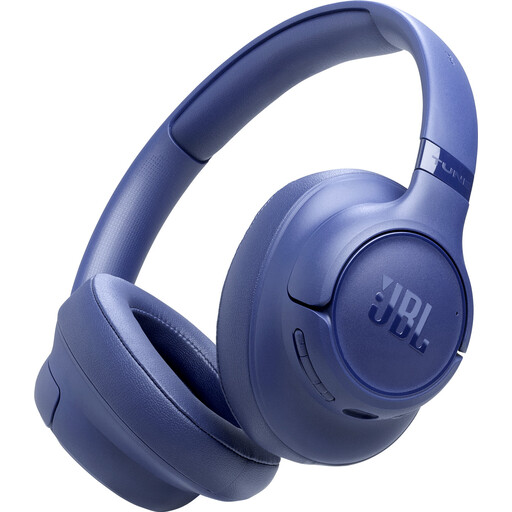
JBL Tune 730BT (Blue)
Could suit you if you want to listen to backing tracks wirelessly; the available information doesn’t confirm whether it has a closed-back design.
Bluetooth; 40mm drivers.
Before buying, check whether the ear cups block enough sound for a shared bedroom.
View at Joybuy
 No image available
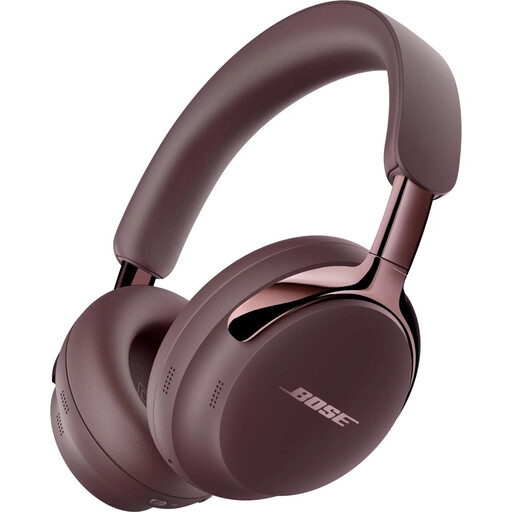
Bose QuietComfort Ultra Headphones (2nd Gen, Cherry Chocolate)
Could suit you if you want to switch between wireless listening and a cable; the available product information doesn’t confirm a closed-back design.
Bluetooth; detachable cable with USB-C and 3.5mm connections; active noise cancelling.
Check whether the ear cups are suitable for practising in a shared room and whether the connection works with your recording equipment.
View at Joybuy
 No image available
Skullcandy SLYR Pro Multi-Platform Gaming Wired Over-Ear (Black Digi-Hype, Black/Red)
Could suit you if you’re looking for a wired over-ear headset; the available product information doesn’t confirm a closed-back design.
Wired; USB-C and 3.5mm connections.
Check which connection your device needs and whether the headset blocks enough sound for a shared bedroom.
View at Joybuy
 No image available
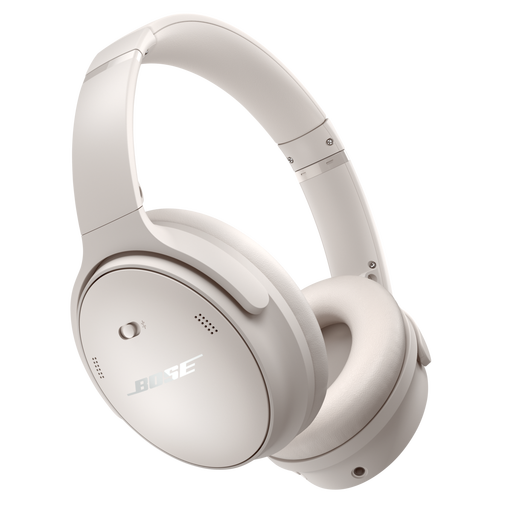
Bose QuietComfort Wireless Bluetooth Noise Cancelling Headphones (White)
The listed closed-back ear cups make this model worth considering for a shared space; check the audible leakage and fit for yourself.
Bluetooth; 3.5mm and 2.5mm connections; active noise cancelling.
Check which connection you’ll use and whether the model suits your preferred monitoring setup.
View at Joybuy
 No image available
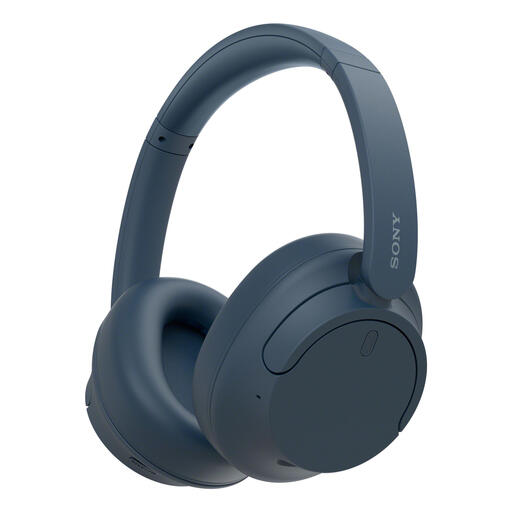
Sony WH-CH720N (Blue)
The listed closed-back design makes this model worth considering for practising in a shared space; test the audible leakage with your fit.
Wireless; active noise cancelling; weight 192 g.
Check whether the wireless connection suits your recording setup and whether you can hear yourself clearly.
View at Joybuy
Frequently asked questions
Will closed-back headphones make my singing inaudible to my flatmate?
No. A closed-back model mainly limits sound leaking from the ear cups into the room; your own unamplified voice will still be audible. If needed, agree practice times with your flatmate too.
How should I use headphones when recording a harmony?
Keep the backing track at a sensible volume in closed-back headphones, then check a test recording for audible spill. If you’re using an audio interface, also check that you can hear your vocals clearly through the headphone output and that the microphone input isn’t clipping.
How can I avoid listening too loudly when I practise often?
Start at a low volume and take breaks; safe listening depends on both the volume and how long you listen. The World Health Organization gives examples of a maximum of 40 hours per week at 80 dB and four hours per week at 90 dB. A volume control setting or product specification won’t tell you the actual sound level reaching your ears.
What returns and warranty rights apply to an online purchase in the Netherlands?
According to ACM ConsuWijzer, online purchases generally come with a statutory cooling-off period of up to 14 days after delivery, subject to legal exceptions. You’re also covered by the statutory guarantee if, under normal use, a product doesn’t meet what you could reasonably expect; a manufacturer’s warranty doesn’t replace this right.


