
Listener sharing a room
You compare recordings while someone else is using the bedroom. Sound leakage and passive isolation are therefore important factors to consider; RTINGS.com explains how headphone design affects leakage and isolation.


If your flatmate is in the bedroom at the same time and sound leakage could be disruptive, start by choosing a well-fitting pair of closed-back studio headphones. Open-back models can sound more spacious, but they leak sound and offer very little isolation from ambient noise; RTINGS.com explains this trade-off for open-back headphones. Then compare the sound balance, fit and connection options for your playback device.
You compare recordings while someone else is using the bedroom. Sound leakage and passive isolation are therefore important factors to consider; RTINGS.com explains how headphone design affects leakage and isolation.
You’re mainly listening for instrument balance and positioning. If sound leakage isn’t an issue, you could also include an open-back model in your comparison. The Consumentenbond uses classical music when testing headphones.
You listen to several pieces in a row and want to consider the fit, ear pads and cable as well as the sound. The Consumentenbond assesses wearing comfort as part of its headphone tests.
Choose this option: if your flatmate is in the room at the same time or noise could disrupt your comparison.
Bear in mind: leakage and sound vary by model and fit; a closed-back design doesn’t guarantee silence.
Choose this option: if your flatmate isn’t there or doesn’t mind hearing some sound, and you want to compare instrument positioning.
Bear in mind: an open-back design can sound more spacious, but it leaks sound and does little to block ambient noise.
| What to consider | What should you check? | Who is this important for? |
|---|---|---|
| Isolation and leakage | Check whether the design is open-back or closed-back, and how much sound leaks out at the moderate volume you usually listen at. The amount varies by model and fit. | If I listen while my flatmate is using the bedroom, I want to hear quiet passages without disturbing them unnecessarily. Around 36% of consumers prioritise isolation and low sound leakage. |
| Sound balance and positioning | Compare familiar tracks on the same device at a similar volume, including both quiet and full orchestral passages. Judge the balance and instrument positioning for yourself. | When I compare orchestral recordings, I want to be able to assess the differences between instruments without the headphones themselves dominating the comparison. Around 29% of consumers prioritise orchestral sound. |
| Comfort during long sessions | Assess the pressure and fit, with your glasses on if needed, and check whether the ear pads are replaceable on the exact model. The Consumentenbond assesses wearing comfort separately. | When I listen to several pieces in a row, I want the fit to remain comfortable and the ear pads to suit how I use them. Around 21% of consumers prioritise long-term wearing comfort. |
| Connection and model variant | Check the exact model variant, your device’s output, and which plug, adapter and cable are included with the model. Beyerdynamic lists different uses for DT 770 PRO versions with different impedances. | If I want to connect the headphones to my own laptop, interface or amplifier, I want to know whether the version I choose is suitable. Around 14% of consumers prioritise connectivity and the accessories they’ll need. |
Open-back headphones leak sound and offer very little isolation from ambient noise. This can be disruptive if your flatmate is sleeping or working.
Choose an open-back model only if the other person and the circumstances make it suitable. Otherwise, start by comparing closed-back models and listen at a moderate volume.
Beyerdynamic offers 32, 80 and 250 ohm versions, and lists different uses for each.
Before buying, compare the full variant name with the output of your playback device.
Depending on the version you choose, you may need a different suitable audio source or connection.
Closed-back headphones also vary in how much sound they leak and block; fit and listening volume both play a part.
At your usual volume, check how much the other person can hear, and don’t turn it up to drown out room noise.
The DT 770 PRO is a closed-back option; the DT 900 PRO X has an open-back design and is best compared when sound leakage is acceptable.
The closed-back K371 is an option to compare with other closed-back studio models for sound and leakage.
The HD 280 PRO is closed-back; the open-back HD 560S is a suitable comparison only if sound leakage isn’t an issue.
The closed-back ATH-M50x is worth considering if you want to weigh up isolation against the cables included.
The MDR-7506 is a pair of closed-back studio headphones sold by Sony Netherlands.
This selection includes headphones for listening to music; compare the version, fit and connection options with how you plan to use them for orchestral recordings.
 No image available
These over-ear headphones may be suitable for listening to orchestral recordings; decide for yourself whether the fit and controls are comfortable for your listening sessions.
The model name specifies Bluetooth and the colour Blue.
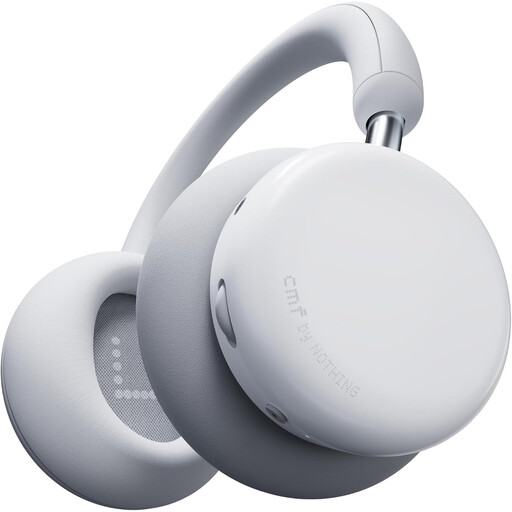 No image available
The product details describe this as a closed-back pair of headphones, an option to compare if you want to reduce sound leakage in a shared room.
The model name specifies the colour Light Grey.
 No image available
These headphones may be an option for listening to music; check whether the wired or wireless connection suits your playback device.
The model name specifies Bluetooth and the colour Black.
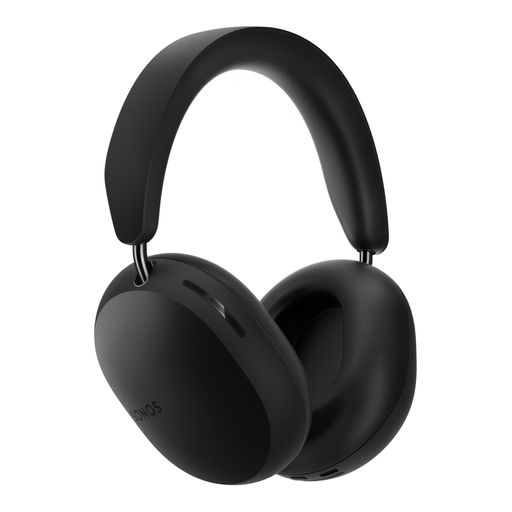 No image available
The product details describe a closed-back over-ear model; compare the fit and wired use with what you need in a shared room.
The model name specifies Bluetooth and the colour Black.
 No image available
The product details describe a closed-back design; compare the fit and connection options with your own listening setup.
This is the 2nd Gen version in Black. According to the product information, it’s supplied without a charger.
Not if audible music could disturb them: open-back models leak sound and do little to block out room noise. In that case, choose a well-fitting closed-back model and keep the volume moderate.
Use the same playback device and compare familiar tracks at a similar, moderate volume. Listen to both quiet and full passages; the Consumentenbond uses classical music, among other genres, in its headphone tests and assesses the balance between bass, mid-range and treble.
Check the fit, including with glasses on if you wear them, and see whether the ear pads are replaceable on your exact model. Replaceable ear pads are listed for the DT 770 PRO 80 ohm and the Sennheiser HD 280 PRO.
No. According to the Dutch government, there is no fixed statutory warranty period in the Netherlands: you’re entitled to a product that works as it should, with factors including the product itself and what you could reasonably expect taken into account. If something goes wrong, contact the seller; any manufacturer’s warranty is in addition to this.
For online consumer purchases, there is generally a statutory 14-day cooling-off period after delivery. ACM ConsuWijzer lists exceptions for certain unsealed hygiene products, but this doesn’t mean every pair of headphones automatically falls into that category. Check the seller’s information for the specific product.