
The quiet chord detective
You listen in a shared bedroom and want to replay sections without disturbing your roommate unnecessarily. Shure explains that a closed-back design can help limit sound escaping outwards.


In a shared bedroom, a well-fitting pair of closed-back studio headphones is usually a good choice: Shure says a closed-back design can help limit background noise and sound escaping outwards. Then compare fit, connections and cable maintenance. An open-back design is best suited to situations where sound leakage won’t be a problem. Headphones won’t identify chords for you: focused listening and practice are still essential, as Berklee Online also explains.
You listen in a shared bedroom and want to replay sections without disturbing your roommate unnecessarily. Shure explains that a closed-back design can help limit sound escaping outwards.
You’re trying to hear individual notes and chord changes, and want to listen and practise in peace. Berklee Online describes chord recognition as a skill, not a feature of headphones.
You spend longer working on a song, so you also consider the fit, how the headphones connect to your playback device, and how to maintain the cables and ear pads.
Choose these if: you share a room and escaping sound or background noise is distracting you.
Bear in mind: fit and ear-pad seal vary from person to person and between models, so silence isn’t guaranteed. Shure describes sound reduction as a feature of the design.
Choose these if: you want to compare an open-back design and sound escaping outwards won’t disturb your roommate.
Bear in mind: according to Shure, sound can travel in and out through the open earcups, including background noise.
| What to consider | What should you check? | Who is this important for? |
|---|---|---|
| Sound in a shared room | Compare the closed-back earcups and the seal of the ear pads; don’t expect complete silence. | If I’m listening while someone next to me is asleep or working, I want to disturb them as little as possible. For around 36% of consumers, limiting sound reaching their roommate is the top buying priority. |
| Notes and chord changes | Listen to familiar sections and judge the sound for yourself; a frequency range doesn’t prove that a pair of headphones will help you recognise chords better. | If I’m trying to pick out chord parts, I want to replay sections in peace and practise listening closely. Around 28% of consumers prioritise distinguishing notes. |
| Comfort when listening repeatedly | Pay attention to the fit and ear pads; compare the weight of specific models, but don’t treat it as a measure of comfort. | When I spend a long time working on a song, the headphones need to remain comfortable and fit securely. For around 22% of consumers, comfort during repeated listening is the top priority. |
| Connections and maintenance | Check the plug, the volume your device can deliver, and whether the cable or ear pads can be replaced. | If I want to use my headphones with a phone, laptop or audio interface, I want to know in advance whether the connection is compatible. Around 14% of consumers put device compatibility and maintenance at the top of their list. |
With an open-back design, sound can escape through the earcups and background noise can get in. That may not suit you if you want to avoid disturbing someone in the same room.
Choose a closed-back design if keeping sound leakage to a minimum is important. Only compare open-back models if sound escaping outwards won’t be an issue.
A stated frequency range doesn’t mean you’ll be able to name chords correctly. Berklee Online describes chord recognition as a skill you practise through focused listening and transcription.
Listen to familiar sections at a comfortable, low volume and practise following individual parts.
The beyerdynamic DT 770 PRO 80 ohm and DT 770 PRO X have different stated impedances; beyerdynamic specifies a detachable cable for the PRO X.
Check the full model name, plug and cable, and make sure the version is suitable for your playback device.
An incompatible connection may mean you need an adapter or a replacement cable later on.
The closed-back DT 770 PRO 80 ohm and DT 770 PRO X are different versions to compare.
Audio-Technica also positions the closed-back ATH-M50x for home use.
The MDR-7506 is a studio and recording headphone; Sony lists the MDR7506.EU version for the Netherlands.
The closed-back K371 has oval ear pads and a foldable design.
The closed-back HD 280 PRO is designed for professional recording and monitoring.
This Joybuy selection includes headphones for listening to music and isn’t limited to studio headphones. Check each model to make sure its connections and features are suitable for listening in a shared bedroom.
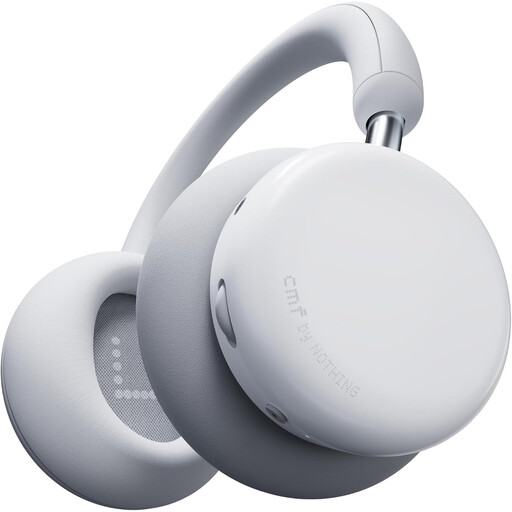 No image available
The product information lists ANC modes and wired audio. Check that the wired connection is compatible with your device, and judge for yourself how much sound escapes outwards.
 No image available
The product information lists a closed-back over-ear design, active noise cancellation and an audio cable with 2.5mm and 3.5mm connections. Check your device’s connection; noise cancellation alone doesn’t measure how much sound leaks outwards.
 No image available
If you also want to listen using a wired connection, the product information lists USB-C and 3.5mm cables. The description mentions soft memory foam ear pads and an adjustable headband; fit is still a personal matter.
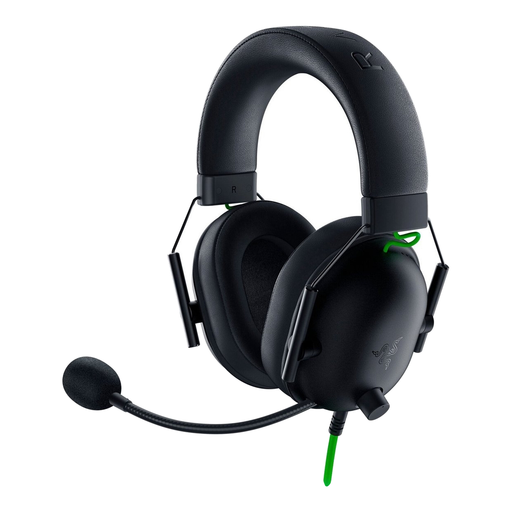 No image available
The product information lists a wired 3.5mm connection and passive noise cancellation. Check that the plug fits your playback device; this specification isn’t an independent measurement of sound isolation.
 No image available
If you want the option of listening both wirelessly and with a cable, the product information lists Bluetooth and a detachable cable with USB-C and 3.5mm connections. Check which connection your device uses, and assess sound leakage separately.
No. The headphones discussed here are for listening, not automatic chord recognition. Berklee Online describes chord recognition as a skill you practise through focused listening and transcription.
Compare the plug on the exact version with the headphone output, and check that your device can provide a sufficient, adjustable volume. Shure points out that both the headphone specifications and the output’s characteristics matter when connecting to an audio source.
Start at a low volume, take breaks and keep track of your total listening time. The World Health Organization gives an average of 80 dB as an example level at which you can listen for up to 40 hours a week; safe listening time drops considerably at higher levels. A device’s volume setting doesn’t necessarily tell you the sound level reaching your ears.
According to ACM ConsuWijzer, online product purchases usually come with a statutory cooling-off period of up to 14 days after delivery, subject to legal exceptions. The seller is responsible for the statutory guarantee on faulty products, according to the Authority for Consumers & Markets. Check who the seller is and which terms apply to your purchase.