What should you consider when choosing?
First decide whether you’ll be listening while playing or recording, then choose between isolation, open-back listening and the freedom of a battery-powered model.
Closed-back and wired
Choose this if: you work during a rehearsal or sit close to a microphone, and your device has a suitable headphone output.
Bear in mind: the fit, plug and output power; the headphones themselves don’t need charging.
Open-back and wired
Choose this if: you mainly listen afterwards in a quiet room and want another perspective on your mix.
Bear in mind: open-back ear cups let sound in and out; also check that your output can drive the model properly.
Wireless or switchable to wired
Choose this if: freedom of movement matters and you can charge the battery between sessions.
Bear in mind: wireless listening requires power; check how wired mode works on the exact model and whether it suits your editing needs.
| What to consider |
What should you check? |
Who is this important for? |
| Connection and power |
Check the output, plug size, headphone impedance and sensitivity, and whether your own recordings play at a comfortable volume. |
If you don’t want to use an extra charging point, you’ll want to connect to your existing laptop, recorder or interface. Around 29% of consumers give top priority to working without an extra charging point. |
| Isolation during rehearsals |
Look for a closed-back design and check that the ear pads fit well, even with your usual glasses or headwear. |
When others are playing or a microphone is switched on, you’ll want to reduce background noise and sound leakage. Around 29% of consumers prioritise this isolation. |
| Listening in a quiet space |
Decide whether you’ll be working in a quiet room without an active microphone; if you choose an open-back model, also check that it suits your output. |
If you only listen afterwards and sound leakage isn’t an issue, an open-back model can offer another perspective. Around 24% of consumers prioritise critical listening in a quiet space. |
| Fit and cable routing |
Measure the distance from the output to your seat, and check the cable length, comfort and replacement options for parts of the exact model. |
For long editing sessions, you’ll want a fit and cable that suit your workspace. Around 18% of consumers give top priority to comfort, cable reach and maintenance. |
Products at Joybuy
This selection includes both rechargeable models with a wired mode and wired headphones for anyone who wants to work without a headphone battery.
 No image available
Sennheiser MOMENTUM 4 Wireless, black
Wired mode may suit you if you also want to listen without battery power.
The product description lists up to 60 hours of playback and an included 3.5 mm cable; it also says you can listen via the cable without battery power.
Joybuy
 No image available
Bose QuietComfort Ultra, black
The wired mode described may be useful if you want to listen without battery power.
The product specifications list a closed-back over-ear design and active noise cancellation; the product information says you can use the cable without a battery.
Joybuy
 No image available
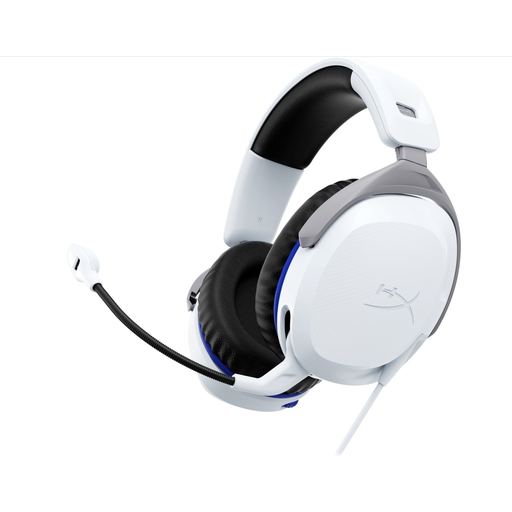
HyperX Cloud Stinger II, wired, white, PS5/PS4
The wired connection may suit you if you don’t want to use a headphone battery.
The product specifications list a closed-back design, a 3.5 mm connection and an impedance of 32 ohms.
Joybuy
 No image available
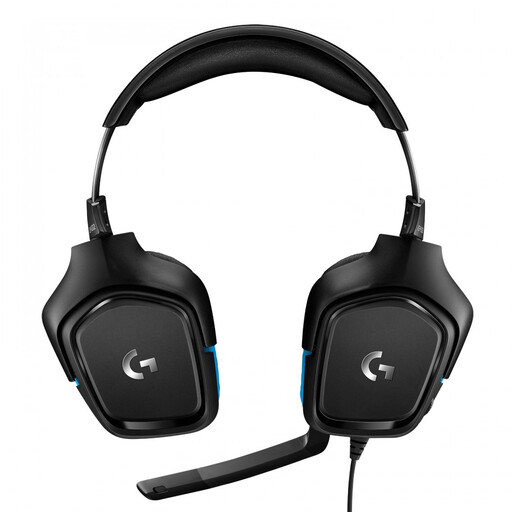
Logitech G G432 7.1, wired
The connections listed give you different ways to connect an existing audio source.
The product information lists a 3.5 mm connection, a USB DAC and a 200 cm cable. The stated sensitivity is 107 dB SPL/mW.
Joybuy
 No image available
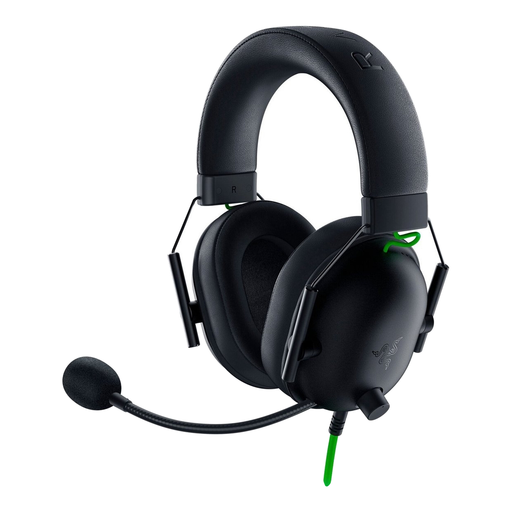
Razer BlackShark V2 X 7.1, wired, black
The wired connection and closed-back design may be useful if you listen during a rehearsal.
The product information lists a 3.5 mm analogue connection, an impedance of 32 ohms and a sensitivity of 100 dB SPL/mW; passive noise isolation is also mentioned.
Joybuy
Frequently asked questions
Do I need a separate headphone amplifier if I have limited power sockets?
Not necessarily. Check the output on your laptop, recorder or interface, the impedance and sensitivity of the exact model, and the usable volume with your own recordings. Focusrite points out that the source material and listening environment also affect the level you can achieve.
Can I use open-back headphones while recording is still in progress?
You can, but open-back ear cups let sound out and background noise in. If there’s a microphone nearby or others are rehearsing, a well-fitting pair of closed-back headphones is a better choice; save open-back listening for situations where sound leakage isn’t a problem.
How should I use and maintain headphones during long editing sessions?
Check the fit and keep the volume comfortable. VeiligheidNL notes that a well-fitting model can help you avoid turning the volume up unnecessarily to drown out background noise. For maintenance, check which parts and cables the manufacturer lists for your exact model.
What are my rights in the Netherlands if the headphones turn out to be unsuitable?
For an online consumer purchase, you’ll generally have a statutory 14-day cooling-off period after delivery, subject to legal exceptions. This is separate from your rights if a product isn’t as it should be: the seller is responsible for the statutory guarantee, which has no fixed general two-year period in the Netherlands. ACM ConsuWijzer explains these rules.
Can I use headphones bought online extensively and then return them?
Don’t assume that extensive use or breaking a seal will have no consequences. ACM ConsuWijzer explains the usual right to cancel and the exceptions, including certain sealed hygiene products; check the terms that apply to the specific item before using it for an extended period.


