If you’re recording vocals or instruments while listening through your headphones, start with a well-fitting, closed-back wired pair to limit sound reaching the microphone. Sound On Sound described closed-back headphones as a practical choice for recording in 2010. If you’re mainly working on existing tracks in a quiet room, without recording through a microphone at the same time, compare open-back models too. In either case, consider the fit, cable routing and connections to your equipment. Manufacturers’ claims about sound quality are not independent measurements.
Who is this guide for?
Desk-based demo recorder
Records vocals or instruments and edits the same session across two screens. Sound reaching the microphone is an important consideration. Sound On Sound and beyerdynamic discuss the trade-offs between closed-back headphones and recording use.
Quiet-room mixer
Mostly edits existing tracks and assesses balance and stereo placement without recording through an open microphone at the same time. Sennheiser and beyerdynamic offer examples of open-back models to compare with closed-back designs.
Long-session demo writer
Works at a desk for extended periods and takes fit, cable routing and replaceable parts into account. Sennheiser, Audio-Technica and beyerdynamic describe model features that may be relevant.
What should you look for?
When recording with a microphone, a closed-back design is a sensible starting point for reducing sound leakage. If you’re mixing in a quiet room without recording at the same time, you can compare open-back models too. Sound On Sound discusses this trade-off for recording sessions.
| Consideration |
What to look for when buying |
Who is this important for? |
| Limiting sound reaching the microphone |
Closed-back design and a good seal for your fit. |
If I’m recording vocals or instruments while listening back, I want to prevent headphone sound from reaching the microphone. Around 36% of consumers say limiting sound leakage is their top priority. |
| Assessing edits and mix balance |
Compare open- or closed-back models to suit your recording setup; listen to familiar passages from the same source. |
If I’m mainly editing existing tracks in a quiet room, I want to assess changes in balance and stereo placement. Around 29% of consumers say assessing the mix is their top priority. |
| Comfort and maintenance |
Fit, including when wearing glasses; check whether ear pads are replaceable on the exact model. |
For longer sessions, I want a comfortable fit that lasts and to know which parts I can replace. Around 21% of consumers say wearing comfort is their top priority. |
| Connection and cable routing |
Check your computer or interface output, the adapter you need and whether the cable length suits your desk. |
If I want to connect my headphones to equipment at my desk, I need the plug and cable routing to work in practice. Around 14% of consumers say connection and cable routing are their top priority. |
Common buying mistakes
-
Choosing open-back headphones while recording vocals
Open-back designs provide less isolation, so headphone sound during simultaneous microphone recording is an important consideration.
Before buying, decide whether you’ll also be recording through an open microphone while listening back. If so, compare closed-back models first and pay attention to how well they seal around your ears.
-
Assuming impedance guarantees that headphones will work
Impedance, plug and supplied adapter vary by model. The connection and usable volume also depend on your own playback source.
Check the exact model and the output on your equipment. Try the volume with your own source, without turning it up unnecessarily.
-
Judging comfort and wear from product claims alone
Fit varies from person to person, and models differ in which parts you can replace.
Assess the fit, including when wearing glasses, and check whether replacement ear pads or cables are available for the exact model.
Brands to compare
beyerdynamic
The DT 770 PRO 80 ohm is a closed-back option for recording; the DT 900 PRO X is an open-back model to compare for critical listening.
- beyerdynamic specifies a 3.5 mm plug with a 6.35 mm adapter and replaceable ear pads for the DT 770 PRO 80 ohm. The DT 900 PRO X has a detachable cable.
- The open-back design of the DT 900 PRO X is less suited to simultaneous microphone recording. These are differences between models, not a judgement on the brand as a whole.
Sennheiser
The open-back HD 490 PRO is worth considering if you mainly produce and mix in a quiet room.
- Sennheiser specifies two interchangeable sets of ear pads and a detachable cable.
- When recording at the same time, the open-back design may require a separate recording solution if sound leakage is a problem. Claims about sound and listening fatigue are manufacturer claims, not independent performance measurements.
Audio-Technica
The closed-back ATH-M50x is an option to compare for recording and for a workspace where cable choice matters.
- Audio-Technica lists three detachable cables supplied in the box, a 6.3 mm adapter and swivelling ear cups.
- Assess the isolation and sound described by the manufacturer with your own fit and playback source.
Sony
The closed-back MDR-7506 is a wired model to compare with other closed-back studio headphones.
- Sony specifies an impedance of 63 ohms and a 3.5 mm/6.3 mm adapter for the MDR-7506.
- Sony lists a 9.8 ft cable; check whether that length works at your desk. The specifications don’t determine which sound you’ll prefer.
AKG
The closed-back, foldable K371 is a model to compare if you also work on your demo away from your usual workspace.
- AKG describes an oval over-ear design and a foldable construction.
- The manufacturer’s statements about neutral sound and comfort are manufacturer claims. Decide for yourself whether the fit and sound suit the way you work.
Joybuy products
The Joybuy selection below includes headphones and headsets with wired or wireless connection options. Not all of these products are studio headphones, so check that their connections and features suit the way you assess your demo.
 No image available
Sennheiser MOMENTUM 4 Wireless, Black
Over-ear headphones to compare if you’d also like a wired listening option while editing.
Bluetooth and ANC; passive wired use via a 3.5 mm audio cable is listed. The title states a battery life of 60 hours.
Joybuy
 No image available
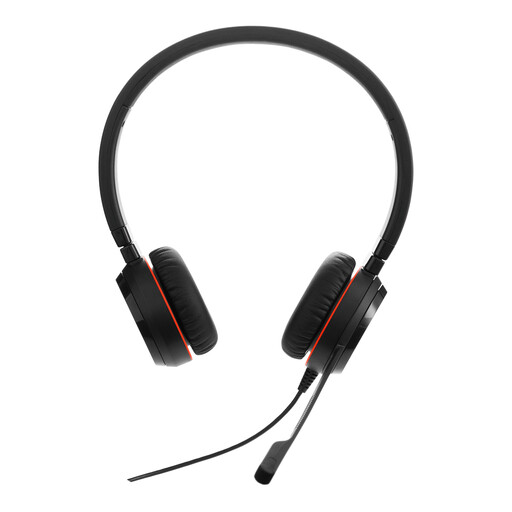
Jabra EVOLVE 30 II MS Stereo
A wired stereo headset to compare if you’re looking for a 3.5 mm or USB controller connection for your workspace.
The listed specifications include a 3.5 mm connection, USB controller and 0.95 m cable. The stated frequency range is 150 Hz to 7 kHz; bear this in mind when assessing a demo.
Joybuy
 No image available
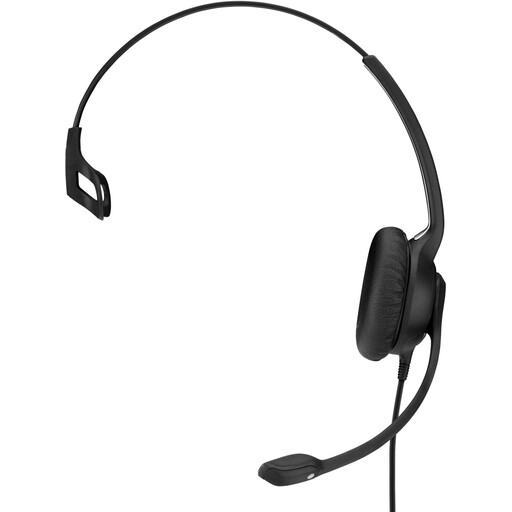
EPOS | SENNHEISER IMPACT SC 230 USB MS II
This wired headset may be worth considering if a USB connection suits your workspace; it is a single-sided model.
The listed cable is 2.9 m long. Its single-sided design limits stereo placement when assessing a demo.
Joybuy
 No image available
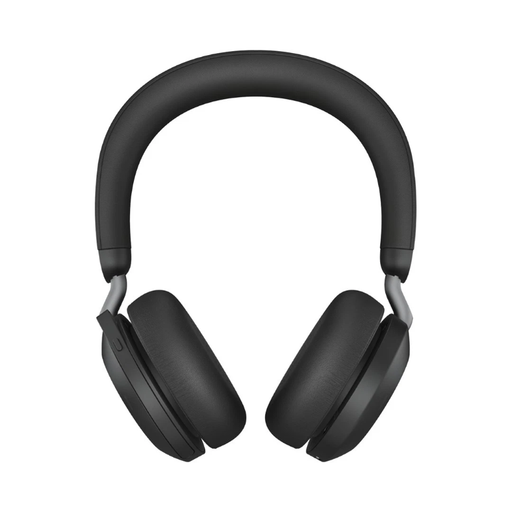
Jabra Evolve2 75
A Bluetooth headset to compare if you’re considering a wireless connection for your workspace.
The listed specifications include Bluetooth 5.2, a range of 30 m and pairing with two devices. Check that its connection options suit your audio equipment.
Joybuy
Frequently asked questions
Do I need a special type of headphones because I use two screens?
No, the number of screens alone doesn’t determine which type of headphones you need. First decide whether you’ll be recording at the same time or mainly mixing. Then check that the connection, cable routing and fit work for your workspace.
How do I connect my headphones and keep them in good working order?
Check that your computer or audio interface has a suitable headphone output and that the exact model includes any adapter you need. Route the cable so it won’t snag around your workspace, and check which ear pads or cables you can replace on that model.
How can I reduce the risk to my hearing during long editing sessions?
The World Health Organization recommends keeping the volume down and taking regular listening breaks; risk is linked to sound level, duration and repetition. A volume setting or headphone specification alone can’t tell you the actual sound level reaching your ears.
What rights do I have when buying online in the Netherlands?
When you buy online from a business, you’re often entitled to a 14-day cooling-off period, subject to applicable conditions and exceptions. If a product is faulty, the seller must resolve the problem. The Dutch government states that the Netherlands has no fixed statutory two-year guarantee period for all products.


