For a quiet, private study, open-back studio headphones are a natural choice, as long as sound leakage isn’t a problem and they remain comfortable during repeated listening. If you sometimes use a microphone or share the room, compare closed-back models too. Headphones don’t measure how loud recordings are: use a separate loudness meter for that, and check peak levels separately.
Who is this choice relevant to?
Comparing recording levels
You listen to different recordings at the same desk and want to avoid confusing differences in sound with differences in average loudness. Use a consistent monitoring setup and measure loudness separately; the European Broadcasting Union’s EBU R 128 describes loudness and peak measurements for broadcast production, among other things.
Critical listening over longer periods
You compare lots of clips one after another. Fit, replaceable parts and a manageable listening volume can all matter. Check for yourself whether the headphones stay comfortable during longer listening sessions.
Sharing a study or recording as well
Your quiet workspace isn’t always private, or you sometimes use a microphone there. In that case, limiting sound leakage may matter more than choosing an open-back design.
What should you look for when choosing?
Open-back studio headphones
A good fit if: you listen in a quiet, private room and sound leaking out isn’t a problem.
Bear in mind: open-back headphones don’t block out ambient noise and let sound escape.
Closed-back studio headphones
A good fit if: you sometimes share the room, or want to limit sound leaking into a microphone while recording.
Bear in mind: closed-back headphones aren’t automatically more neutral. Check the fit and sound using the same reference clips.
Choose based on how you’ll use them most, and keep your listening settings the same when comparing. Sonarworks explains that every headphone model has its own frequency response, so a different pair can make the sound seem different.
| What to consider |
What to look for when buying |
Who is this important for? |
| Consistent assessment of sound and loudness |
Compare familiar clips using the same headphones and settings. Measure programme loudness and true peak separately. |
When I compare recordings at the same desk, I don’t want to confuse sound with loudness. Around 36% of consumers put consistent assessment at the top of their list. |
| Comfort during repeated listening |
When trying them on, check the clamping force and the space around your ears. Also check which ear pads are included and whether they’re replaceable. |
When listening to lots of clips one after another, I want a fit that stays comfortable for me. Around 29% of consumers give long-term comfort the highest priority. |
| Sound leakage and isolation |
Consider whether the room will stay private and whether you’ll also be recording with a microphone. Compare open-back and closed-back models for your situation. |
If someone is working next to me or I’m using a microphone, I want to account for sound leaking in or out of the headphones. Around 21% of consumers make limiting sound leakage their top priority. |
| Connection and maintenance |
Check that the plug is compatible with your audio output, and find out which cables or ear pads come with the exact model. |
When I want to connect the headphones to my existing equipment and replace parts, I check the model variant and connections. Around 14% of consumers name connection and maintenance as their top priority. |
Common buying mistakes
-
Mistaking descriptions such as ‘flat’ or ‘accurate’ for a loudness meter
Each headphone model has its own sound. Average programme loudness and peak level are also two different measurements.
Assess the headphones as a monitoring tool, and use separate measurements for programme loudness and true peak.
-
Choosing open-back headphones without considering shared use
An open-back design lets sound out and ambient noise in. That can be a problem if someone is sitting next to you or a microphone is in use.
Before buying, decide whether the room will be private while you listen and whether you’ll also be recording.
-
Changing ear pads or calibration settings during a single comparison
Sennheiser states that the two types of ear pads supplied with the HD 490 PRO each have their own sound. A calibration setting can also change the perceived frequency response.
Keep the ear pads and listening settings the same throughout a comparison, and make a note of any changes.
Relevant brands to consider
Sennheiser
The open-back HD 490 PRO may suit anyone who wants to compare different listening settings in a quiet room using the two types of ear pads supplied.
- Sennheiser says the HD 490 PRO has washable, replaceable ear pads and a detachable cable.
- The manufacturer describes each type of ear pad as having its own sound. So keep the pads the same during a comparison; these features apply to the HD 490 PRO.
beyerdynamic
The open-back DT 900 PRO X is an option for a quiet listening space. If you need isolation, you can also consider a closed-back model.
- beyerdynamic specifies a nominal impedance of 48 ohms for the DT 900 PRO X, along with a detachable mini-XLR cable and replaceable parts.
- These specifications don’t prove that every source will provide sufficient volume or allow you to adjust it comfortably. The open-back design doesn’t limit sound leakage.
Audio-Technica
The closed-back ATH-M50x is worth considering if you share your workspace or also use the headphones for recording.
- Audio-Technica specifies passive isolation, a foldable design and three detachable cables supplied in the box.
- The manufacturer’s claims about clarity and bass aren’t an independent comparison with open-back models.
AKG
The open-back K702 is an option for critical listening in a quiet, private room, as long as it’s compatible with your equipment.
- AKG specifies replaceable ear pads, a replaceable mini-XLR cable and a nominal impedance of 62 ohms for the K702.
- AKG’s descriptions of accuracy and spaciousness are manufacturer claims. The open-back design doesn’t provide isolation.
Sony
The closed-back MDR-7506 is a compact professional headphone worth comparing if portability or a closed-back listening setup matters to you.
- Sony describes a foldable design and soft ear pads.
- The ‘industry standard’ label on Sony’s own product page doesn’t prove that it’s better suited to comparing recording levels.
Joybuy headphone picks for listening to recordings
These Joybuy picks are headphones for listening to audio. Check each model’s connections and listening settings to make sure they suit the way you work in the studio.
 No image available
Sennheiser MOMENTUM 4 Wireless, black
You can use this model to listen to recordings, but it doesn’t replace a separate loudness measurement.
The product name specifies wireless over-ear listening, noise cancellation, 60-hour battery life, fast charging and four microphones. The product description also mentions wired passive listening and adjustable EQ.
View at Joybuy
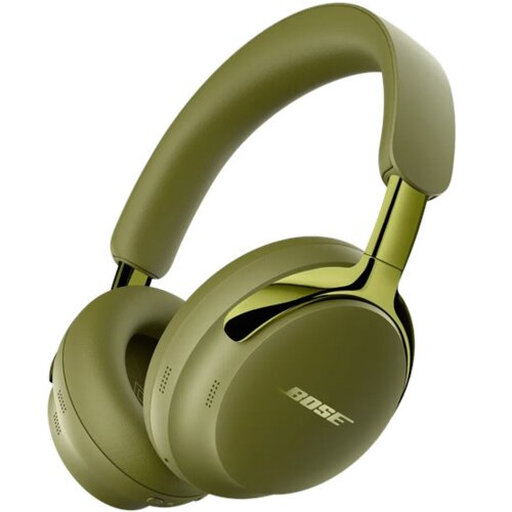 No image available
Bose QuietComfort Ultra Headphones (2nd Gen), Olive Green
The product description specifies a closed-back design. Check that it suits your listening and recording setup.
The description mentions active noise cancellation and a detachable cable with USB-C and 3.5mm connections. Noise cancellation doesn’t measure the loudness of recordings.
View at Joybuy
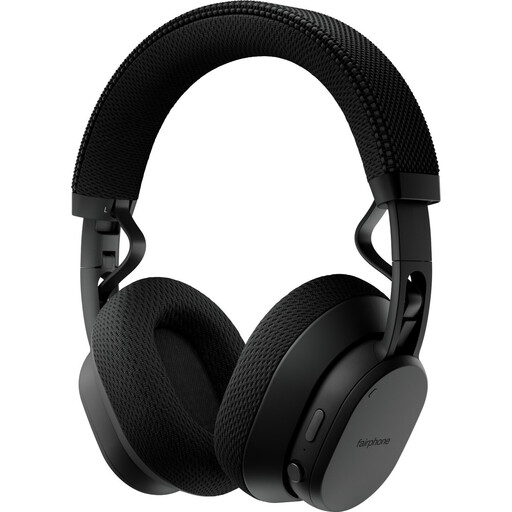 No image available
Fairphone Fairbuds XL 2025 Black
You can use these over-ear headphones to listen to audio. Decide for yourself whether the sound and fit suit the way you compare recordings.
The product description specifies a closed-back design, mesh on the headband and ear pads, and nine replaceable parts, including the battery and ear pads.
View at Joybuy
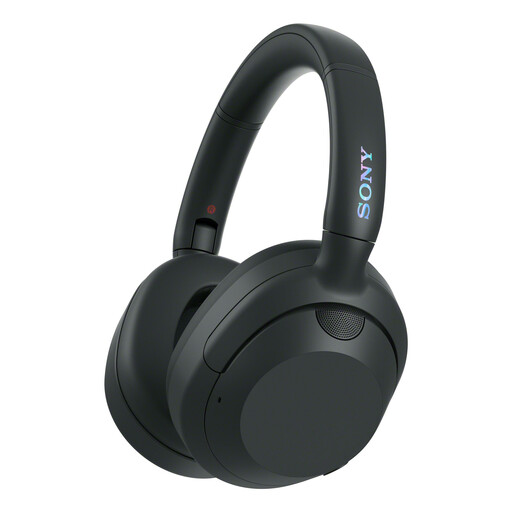 No image available
Sony WH-ULT900N ULT Wear, black
The product description specifies a closed-back design for anyone considering sound leakage. Check the fit and connection for your needs.
The description mentions active noise cancellation and a detachable cable. A closed-back design alone doesn’t tell you whether the sound is neutral.
View at Joybuy
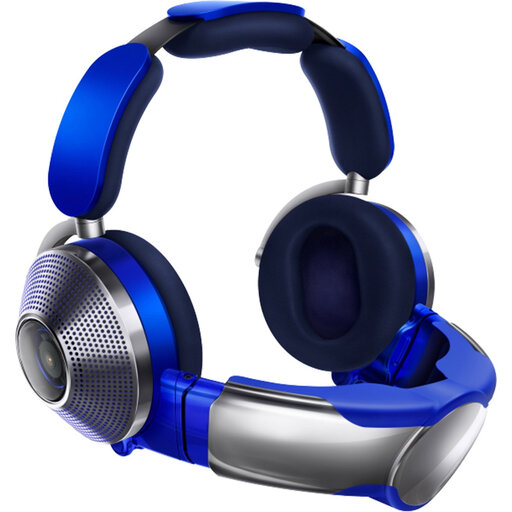 No image available
Dyson Zone OE Headphones, Ultra Blue/Prussian Blue
These over-ear headphones are designed for listening to audio. Check that the controls and sound settings suit your comparison method.
The product description mentions active noise cancellation and EQ adjustment through the MyDyson app. EQ settings can change the sound, so keep them the same when comparing.
View at Joybuy
Frequently asked questions
Can I use studio headphones to make recordings sound equally loud by ear?
You can’t do this reliably with headphones alone. Measure average programme loudness with a suitable loudness meter and check true peak separately, then compare using a consistent monitoring setup. The European Broadcasting Union’s EBU R 128 is a recommendation for broadcast production, not a mandatory target for every personal recording.
How can I keep comparisons consistent between listening sessions?
Use the same headphones, connection and ear pads or calibration setting when comparing clips. If you use calibration software, check that it supports the exact model; a profile isn’t the same as an individual measurement of your particular pair.
How loud can I listen during long sessions?
Keep the volume low and take regular breaks. The World Health Organization gives an average of 80 dB for up to 40 hours a week as an example; the higher the level, the shorter the recommended listening time. The volume setting doesn’t tell you exactly what sound level reaches your ears.
What can I do if headphones bought online don’t fit comfortably or are faulty?
In the Netherlands, online purchases from a business usually come with a 14-day cooling-off period. Check the applicable terms before trying on the headphones. Faulty products are covered by statutory consumer protection: the Dutch government explains that there’s no fixed statutory guarantee period and that the retailer must deal with the problem. Changing your mind and a product fault are different situations.
Is a LUFS target legally required when comparing recordings at home?
The EBU R 128 mentioned above is a technical recommendation for broadcast loudness, not an established Dutch licensing requirement for home use. Choose a target that suits the intended publication or brief; the broadcast target isn’t a general legal requirement for comparing recordings alone.


