If you record or edit in a shared room, wired, closed-back over-ear headphones are a practical place to start: according to Shure, a closed-back design reduces background noise and sound leakage. If you only listen in a quiet room and aren't recording at the same time, open-back headphones may suit you. In either case, check the fit and make sure the connection works with your laptop or audio interface.
Who is this relevant to?
Podcast editors who focus on speech
You listen to spoken-word clips repeatedly and want to assess voice quality, edits and transitions. The Consumers' Association includes sound quality in its headphone tests. You should also compare familiar speech clips for yourself, as a product specification isn't a listening test.
People recording in a shared room
You edit or record while other people are nearby. Shure describes closed-back headphones as suitable for recording when background noise needs to be kept down. Fit and sound leakage still matter.
Listeners with long editing sessions
You wear your headphones for extended periods and may switch between a laptop and an audio interface. The Consumers' Association also considers comfort in its tests, so check the fit and connection with your own setup.
What should you look for when choosing?
Closed-back, wired
Suitable when: you edit with audible background noise or record with a microphone nearby.
Bear in mind: check the fit and cable for each model. A closed-back design alone doesn't prove that speech errors will be easier to hear.
Open-back, wired
Suitable when: you listen back carefully in a quiet room and aren't recording at the same time with a nearby microphone.
Bear in mind: open-back earcups block out less background noise and let more sound escape. Sennheiser describes the HD 560S as a model for analytical listening.
The points below are for consumers looking for studio headphones to edit podcasts in a student room.
| What to consider |
What should you check? |
Who should pay extra attention? |
| Assessing speech |
Listen to familiar speech clips and compare voices and edits; a stated frequency range can't assess these for you. |
If I'm assessing voices and edit transitions, I want to compare familiar speech clips. Around 36% of consumers prioritise assessing speech. |
| Background noise and leakage |
Compare closed-back and open-back earcups, and check how they fit around your ears; the room and recording setup still have an impact. |
If I'm editing or recording in a shared room, I want less disturbance from background noise and leakage. Around 29% of consumers prioritise this peace and isolation. |
| Comfort |
Adjust the headband and check how the earpads fit; see whether the pads are replaceable for each model. |
If I often edit for long periods, I want a fit that stays comfortable. Around 21% of consumers prioritise comfort during extended wear. |
| Cost, cable and connection |
Check the plug, any adapter and the cable type against the output on your laptop or interface. |
If I'm choosing based on the connection and my budget, I want to know what my equipment needs. Around 14% of consumers prioritise affordability and the connection. |
Common mistakes
-
Choosing an open-back model because open-back is supposedly always better for editing
In a shared room, an open-back design offers less isolation. Sound can also reach a nearby microphone more easily.
First decide whether you'll be listening back in a quiet room or working with background noise or a nearby microphone.
-
Choosing a DT 770 PRO impedance variant without checking the output
beyerdynamic distinguishes between 32 ohm for mobile devices, 80 ohm for general studio use and 250 ohm for professional equipment. These variants aren't interchangeable purchasing options.
Compare the exact variant with the output on your laptop or audio interface.
-
Assuming every cable is easy to replace
The SRH440A has a detachable cable; the Dutch seller's specification for the AKG K72 lists a fixed cable.
Before buying, check the cable design of the exact version and whether suitable replacement parts are available.
Relevant brands and models
Shure
Shure Netherlands lists the closed-back SRH440A-EFS for podcasting and critical editing.
- The manufacturer specifies a detachable straight cable and a 6.3mm adapter for this model.
- The claimed accurate sound reproduction is Shure's own claim, not an independent comparison with the other models.
beyerdynamic
The closed-back DT 770 PRO is available in different impedance variants; beyerdynamic links 32, 80 and 250 ohm to different uses.
- For the 80-ohm variant, the manufacturer lists replaceable earpads and a 3.5mm plug with a 6.35mm adapter.
- Check the variant and your device's output; the different impedances aren't identical versions.
Audio-Technica
Audio-Technica describes the closed-back ATH-M50x as suitable for monitoring and home recording.
- The manufacturer lists a detachable cable.
- The manufacturer's claims about sound quality and popularity don't show that it's better for assessing podcast speech.
AKG
The K72 is a closed-back over-ear model; AKG Netherlands lists a self-adjusting headband and a 3.5mm connection.
- The self-adjusting headband is a feature to consider when trying them on.
- The Dutch seller's specification lists a fixed cable. AKG's claim about translation to other systems isn't independently verified here.
Sennheiser
Sennheiser describes the open-back HD 560S as a model for analytical listening.
- An open-back model may suit careful listening in a quiet room.
- The open-back design blocks out less background noise and is less suitable when leakage near a microphone is a concern. Check that the output is suitable for this 120-ohm variant.
Products at Joybuy
These Joybuy product picks cover headphones for listening and podcast editing. Check whether each model's connection and sound reproduction suit your monitoring setup; wireless features or noise cancellation alone don't prove that a model is suitable for critical speech assessment.
 No image available
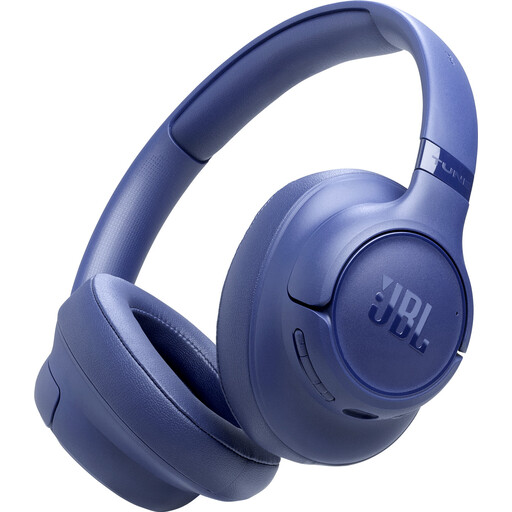
JBL Tune 730BT - Blue
The product information lists a Vocal-EQ mode. Assess podcast speech without EQ as well, and check that the connection suits your editing equipment.
Joybuy
 No image available
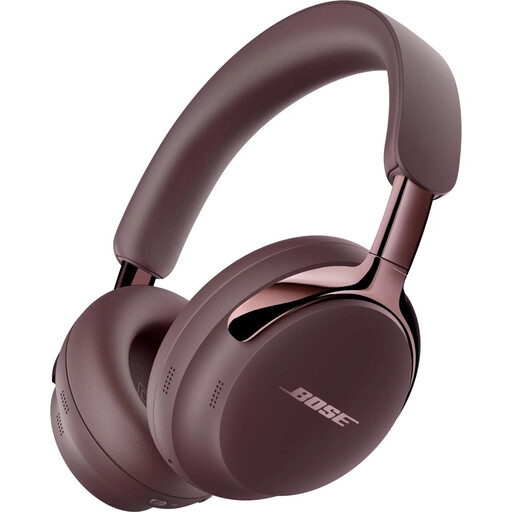
Bose QuietComfort Ultra Headphones (2nd Gen) - Cherry Chocolate
The product information lists a detachable cable and noise cancellation. Check whether the stated USB-C or 3.5mm connection matches your equipment; noise cancellation doesn't mean the headphones provide neutral monitoring.
Joybuy
 No image available
Bose QuietComfort Ultra Bluetooth Headphones - Black
The product information lists a closed-back over-ear design, noise cancellation and an audio cable. Check the cable and connection for your interface; these features alone don't tell you how suitable the model is for assessing speech neutrally.
Joybuy
 No image available
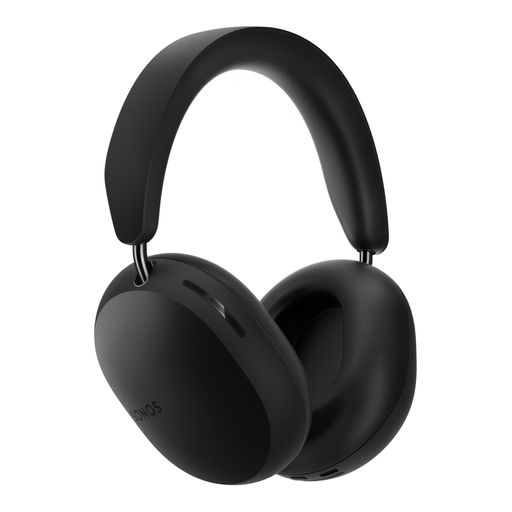
Sonos ACE Over-Ear Bluetooth Headset - Black
The product information lists a closed-back over-ear design and USB-C and 3.5mm cables for audio devices. Check which connection suits your interface and whether the fit is comfortable for your listening sessions.
Joybuy
 No image available
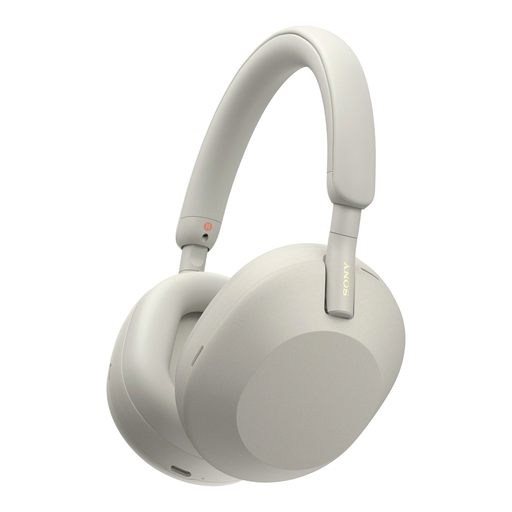
Sony WH-1000XM5 Wireless Headphones with Noise Cancelling - Silver
The product information lists wireless over-ear headphones with noise cancellation. Check whether this version supports wired listening with a connection that suits your interface; noise cancellation doesn't prove that they're suitable for critical monitoring.
Joybuy
Frequently asked questions
Are open-back headphones suitable if I'm recording a podcast at the same time?
Usually not if there's a microphone nearby: an open-back design lets more sound escape. Shure describes a closed-back design as suitable for recording when leakage needs to be kept down. Open-back headphones may be an option for listening back in a quiet room without recording.
How do I connect studio headphones?
First check which headphone output your laptop or audio interface has, then compare it with the plug and adapter supplied with the exact version. Shure Netherlands lists a 6.3mm adapter for the SRH440A-EFS; for the 80-ohm version of the DT 770 PRO, beyerdynamic lists a 3.5mm plug with a 6.35mm adapter.
How can I look after my hearing during long editing sessions?
Keep the playback volume low and take listening breaks. The World Health Organization gives an average of 80 dB for up to 40 hours a week as an example of safe listening. Sound pressure also depends on the headphones and output; a volume setting alone doesn't indicate it.
What can I do if my headphones or cable stop working?
If a product is faulty, contact the seller about your statutory rights and check whether a suitable replacement part is available. According to the Dutch government, there is no fixed statutory warranty period in the Netherlands that applies to every product; normal wear and tear and damage caused by the user may be treated differently.
Do I have a cooling-off period when buying online in the Netherlands?
For distance purchases from a business, the Dutch government says you usually have a 14-day cooling-off period. The seller must give you information about the product and the cooling-off period; check the terms of the specific purchase.


