
Editor in a quiet room
You mainly edit speech and want to assess detail and balance without recording while you listen. Open-back headphones could be an option, alongside a closed-back model.


For editing in a quiet room without an active microphone, consider wired open-back studio headphones; check your mix on another playback system too. If you monitor through headphones while recording with a microphone, closed-back headphones are a more suitable choice. Shure describes a closed-back design as a way to reduce ambient noise, but fit and connectivity vary by model.
You mainly edit speech and want to assess detail and balance without recording while you listen. Open-back headphones could be an option, alongside a closed-back model.
You use the same headphones at the microphone and during editing. In that case, preventing sound from leaking into the recording matters more.
You listen for extended periods at a desk and want to check the fit, cable, ear pads and connection before buying.
When: If you only edit in a quiet room and aren't monitoring with a microphone, for example when doing an extra listening check.
Trade-off: An open-back design lets ambient sound in and can let sound out. Sennheiser lists the HD 490 PRO as an open-back model.
When: If you also monitor while recording, want isolation or are looking for one pair of headphones for both recording and editing.
Trade-off: A closed-back design can reduce sound travelling to and from your surroundings. Also check the fit, impedance variant and connection of the specific model.
| What to consider | What should you check? | Who should give this more weight? |
|---|---|---|
| Speech and editing | Listen to speech and edits in your own recordings; where possible, check the result on another playback system too. | If I want to assess voices and edits critically, I listen to familiar clips. Around 36% of consumers put speech evaluation first. |
| Comfort during long sessions | Assess the fit during a longer listening session and check whether the ear pads or cable can be replaced for the exact model. | When listening back for extended periods, I want the fit to stay comfortable and the parts to be easy to maintain. Around 29% of consumers prioritise long-wearing comfort. |
| Isolation | Consider whether you monitor with an active microphone, and listen at your usual volume to see if sound makes its way into a test recording. | If I use the same headphones while recording, I want to stop playback sound reaching the microphone. Around 21% of consumers prioritise isolation. |
| Connectivity and maintenance | Check the model name, impedance variant, plug and output on your laptop, recorder or audio interface. Also see whether the cable and ear pads can be replaced. | When I connect headphones to specific equipment, I want the version to suit the output and the parts to be maintainable. Around 14% of consumers prioritise connectivity and maintenance. |
Sound from open-back headphones can be picked up by the microphone while you record.
Make a test recording at your usual listening volume. If playback sound is audible in the recording, consider closed-back headphones or adjust your monitoring setup.
Audible spill may mean you have to record again.
beyerdynamic distinguishes between DT 770 PRO versions at 32, 80 and 250 Ω, designed for different uses. The DT 770 PRO X is a separate model with 48 Ω.
Compare the full model name, impedance and cable with the output you plan to use for editing.
You may need a different output or amplifier than you expect.
A specification is no substitute for assessing the sound with your own editing work. Listening through headphones also has limitations when making decisions about a spatial mix.
Compare familiar speech clips and, where possible, check the result on another playback system too.
Worth considering if you're comparing closed-back DT 770 PRO versions or the separate DT 770 PRO X, and know which headphone output you'll be using.
The closed-back ATH-M40x is an option if you're looking for a model with a detachable cable.
The HD 490 PRO is an open-back model to compare for critical listening in a quiet room; the HD 480 PRO is a separate closed-back option for recording and editing.
The closed-back MDR-7506 is a wired model worth comparing for monitoring and editing.
Shure positions the closed-back SRH440A for podcasting, home recording and critical editing.
Joybuy products relevant to this topic. Compare the listed version of each model with your equipment and intended use.
 No image available
Consider this model only as an additional listening option, and check that the connection suits your editing equipment.
The product name identifies it as wireless over-ear headphones.
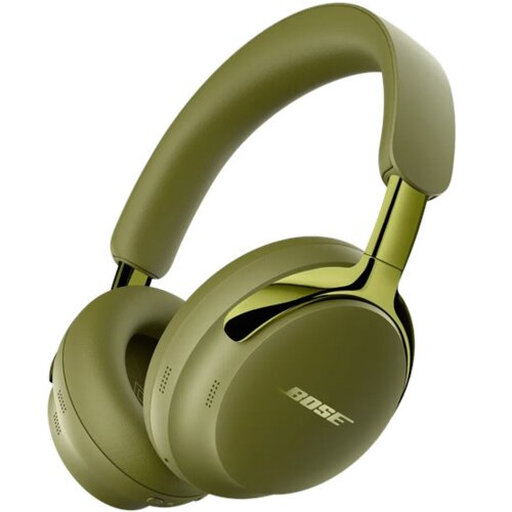 No image available
Compare this model only as an additional listening option, and check that the version suits your recording and editing equipment.
The product name identifies it as the second generation in Olive Green.
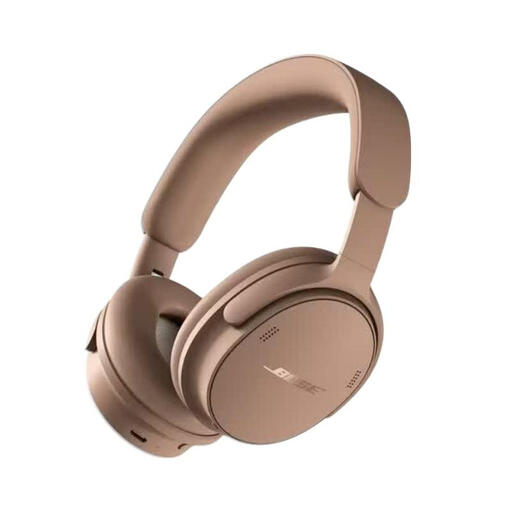 No image available
Consider this model as an additional listening option, and check beforehand that it suits your equipment and monitoring needs.
The product name identifies it as the second generation in Hazelnut Taupe.
 No image available
Check that this model suits your equipment and workflow before choosing it as an option for editing.
The product name identifies it as a Bluetooth model in black.
 No image available
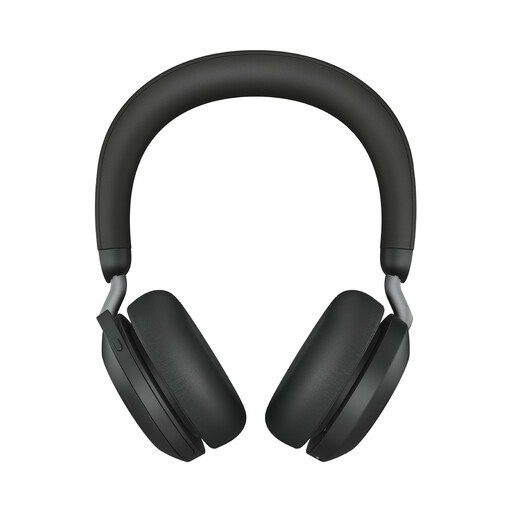
Check that the USB-A MS Teams version works with your equipment and suits the way you intend to use it.
The product name identifies it as USB-A, MS Teams and black.
Yes. If you're only listening and the room is quiet, open-back headphones could be an option. If you're recording through a microphone at the same time, bear in mind that sound can leak from the headphones; closed-back headphones are a more suitable choice for this use.
It depends on the version and the output you're connecting it to. beyerdynamic offers versions at 32, 80 and 250 Ω, and lists stationary sources such as headphone amplifiers for the 250 Ω version. Check the exact model and the output on your equipment first.
Keep the volume down and take regular breaks. The World Health Organization gives the example of a maximum of 40 hours per week at an average of 80 dB, with much shorter listening times at higher levels. This is not a stated volume setting for any specific headphone model.
According to the Dutch Government, distance purchases often come with a 14-day cooling-off period. If a product is faulty, the seller is your point of contact for the legal guarantee; there is no fixed statutory guarantee period in the Netherlands. Check the terms that apply to your specific purchase.