
Home editor in a quiet room
Mostly edits existing voice recordings and wants to assess the detail without recording while listening. beyerdynamic and Fritz-Events describe open-back models as a possible choice for critical listening.


If you mainly edit in a quiet room and aren’t recording at the same time, open-back headphones may suit critical listening. If you’re also recording or there’s background noise, start with a closed-back model. Then check the fit, whether the exact version connects to your computer or audio interface, and whether its parts can be replaced. Manufacturers’ descriptions of sound are not independent comparative listening tests.
Mostly edits existing voice recordings and wants to assess the detail without recording while listening. beyerdynamic and Fritz-Events describe open-back models as a possible choice for critical listening.
Listens while a microphone is on or shares the workspace, so sound leakage and background noise matter more. beyerdynamic recommends closed-back models when using headphones alongside a microphone.
Wears headphones for long periods, so pays attention to fit, listening volume and replaceable ear pads. Sennheiser describes the HD 280 PRO as having replaceable ear pads; the WHO points out that both sound level and listening duration matter.
First decide whether you’ll only edit recordings afterwards or also listen in while recording. Then check the specific version and connection, and assess how comfortable it is during the listening sessions you plan to use the headphones for.
| What to consider | What to look for when buying | Who is this important for? |
|---|---|---|
| Speech and editing detail | An open-back model may suit editing in a quiet room when you’re not using an active microphone. Don’t treat manufacturers’ descriptions of sound as independent test results. | If I mainly edit speech afterwards, I want to be able to assess transitions and distracting details. Around 31% of consumers prioritise editing detail. |
| Isolation and microphone leakage | beyerdynamic recommends a closed-back model when using headphones alongside a microphone, to help limit sound leaking into the microphone. Fit and ear pads also affect the seal. | If I’m recording at the same time or there’s noise at home, I want to reduce background noise and sound leakage. Around 31% of consumers prioritise isolation for this reason. |
| Comfort and listening time | Check the fit and whether parts such as the ear pads can be replaced. The WHO points out that both sound level and exposure time affect safe listening. | For long editing sessions, I want a comfortable fit and to keep the volume at a manageable level. Around 23% of consumers put long-lasting comfort first. |
| Connection and maintenance | Check the plug and any adapter supplied with the exact version against the output on your computer or interface. When buying replacement parts, check the full model name and, where necessary, the generation. | If I want to connect the headphones to my own equipment and replace parts, I check the connections and availability for the specific version. Around 15% of consumers prioritise connection and maintenance. |
A manufacturer’s description of critical listening doesn’t remove the risk of headphone sound being picked up by a microphone. beyerdynamic recommends a closed-back model when using headphones alongside a microphone.
Choose according to how you’ll use them: consider an open-back model mainly for editing in a quiet room without an active microphone, and check for leakage while recording with a closed-back model.
The beyerdynamic DT 990 PRO is available in 80 and 250 ohm versions. A different version may be a better match for your equipment.
Check the full version, the plug and the specifications of the output you plan to connect the headphones to.
A manufacturer’s warranty does not replace your statutory rights if a product is faulty. The Dutch Government advises you to contact the seller if there’s a problem.
Keep your proof of purchase and contact the seller if something goes wrong.
The DT 770 PRO is a closed-back option for monitoring while recording; the open-back DT 990 PRO is another choice for critical listening and editing.
The closed-back ATH-M50x is worth considering if you want monitoring headphones with a detachable cable.
Sennheiser positions the closed-back HD 280 PRO for recording, mixing and monitoring.
Sony Netherlands positions the MDR-7506 as reference headphones for recording and studio use.
The closed-back SRH440A is an option for home recording and monitoring, with a detachable cable.
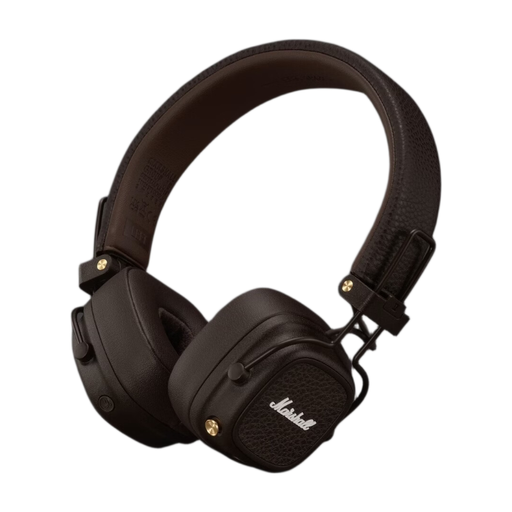
These Joybuy headphones are options for listening at home while editing podcasts. For each version, check that the connection and intended use suit your computer or audio interface and the way you edit.
 No image available
When editing podcasts, check whether the connection on these wireless on-ear headphones suits your computer or audio interface.
 No image available
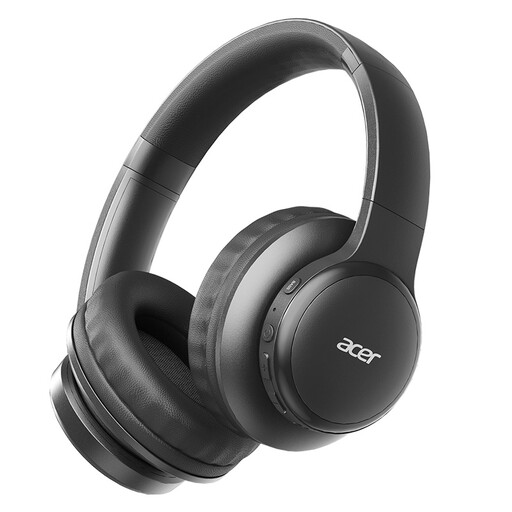
Before editing, check that the connection on these wireless headphones works with your equipment and preferred workflow.
 No image available
Check whether these Bluetooth headphones suit your podcast-editing workflow and whether the connection works with your equipment.
 No image available
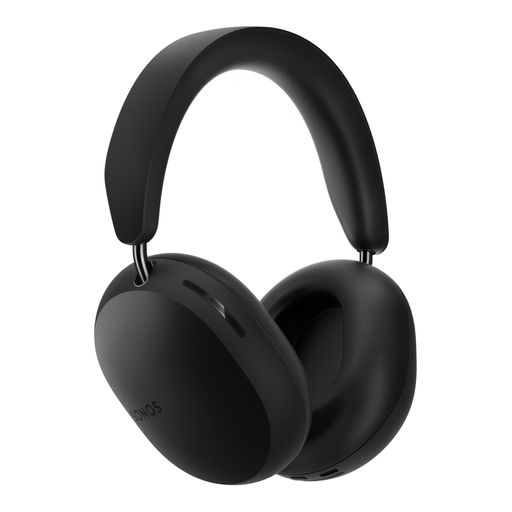
When editing podcasts, check whether the connection on these over-ear Bluetooth headphones works with your equipment and workflow.
 No image available
Check that these headphones work with your equipment and suit the way you edit podcast speech.
It depends, among other things, on your microphone, volume and distance. beyerdynamic recommends a closed-back model when using headphones alongside a microphone because sound may leak into it. An open-back model may suit editing in a quiet room when you’re not using an active microphone.
Compare the output on your interface with the plug and supplied adapter for the exact version. For the beyerdynamic DT 770 PRO 80 ohms described, the manufacturer lists a 3.5mm plug and a 6.35mm adapter; this doesn’t confirm compatibility with every interface.
Look for a replacement set that fits the full model name and the correct generation. Sennheiser lists a set for HD 280 PRO versions from 2016 onwards; according to the manufacturer, worn pads can affect fit and isolation.
For a consumer purchase, the seller must provide a product that is fit for purpose, according to the Dutch Government; the Netherlands has no fixed statutory warranty period that applies to every product. For an online purchase, you generally have 14 days from delivery to change your mind, subject to applicable exceptions. The Netherlands Authority for Consumers and Markets explains this cooling-off period.
Not automatically: according to the European Commission, CE marking is only compulsory for products covered by applicable harmonised EU rules. Check the specific version and the rules that apply to it.