
Mixing alongside colleagues
If you mix piano at a shared desk, keeping sound leakage to a minimum can help avoid disturbing others. Audio-Technica highlights low leakage as a consideration when people are sitting nearby.


If you work alongside colleagues or monitor during a recording with a microphone nearby, start with a well-fitting pair of closed-back wired headphones. They generally help limit sound leakage, although the fit and seal also affect how you hear the bass. Open-back headphones may suit a dedicated check of piano placement and reverb if leakage isn’t an issue. Where possible, check important balance and stereo decisions on other playback systems too.
If you mix piano at a shared desk, keeping sound leakage to a minimum can help avoid disturbing others. Audio-Technica highlights low leakage as a consideration when people are sitting nearby.
If you use the same headphones for recording and mixing, consider whether sound from the headphones could reach a nearby microphone. Closed-back headphones are a sensible place to start.
If you want to assess stereo placement and spaciousness, open-back headphones may be worth considering for a dedicated check, provided leakage isn’t an issue. Sound On Sound explains how headphones can create a different stereo image from loudspeakers.
Choose this option: if colleagues sit nearby or you monitor during recordings.
Bear in mind: the fit and seal affect how you perceive the bass. Check important mix decisions on other playback systems too.
Consider this option: for a dedicated check of placement and spaciousness when audible leakage isn’t a problem.
Bear in mind: sound travels more easily both to and from your surroundings, and a mix may sound different on loudspeakers.
| What to consider | What should you check? | Who should pay particular attention? |
|---|---|---|
| Sound leakage | Check the closed-back design and fit. At your usual mixing volume, see whether someone sitting next to you can hear the sound. | If I mix alongside colleagues, I want to avoid disturbing them with my headphones. Around 30% of consumers prioritise low sound leakage. |
| Piano balance and stereo image | Listen to familiar piano recordings and, where possible, check the final mix on another playback system too. | If I’m assessing piano tone and stereo placement, I don’t want to rely on just one playback system. Around 30% of consumers prioritise piano balance and stereo assessment. |
| Monitoring during recording | Decide whether you’ll use the same headphones for recording. If so, check for leakage with your actual microphone setup. | If I record with a microphone while monitoring, I want to stop the playback signal from ending up in the recording. Around 20% of consumers give recording leakage top priority. |
| Fit and maintenance | If relevant, try the headphones on with your usual glasses and check which cables and ear pads are replaceable on the exact variant. | If I’m planning longer sessions, I pay attention to fit and parts I can replace later. Around 20% of consumers prioritise wearing comfort and maintenance. |
Open-back headphones let more sound through to your surroundings. If you’re recording at the same time, the playback signal could also reach a microphone.
Choose open-back headphones when leakage won’t be an issue in your workspace. Otherwise, start by looking at a well-fitting closed-back pair.
The fit and seal of the ear pads affect how you perceive the bass. The stereo image can also sound different on headphones from how it does on loudspeakers.
Where possible, check important decisions about tonal balance and stereo placement on another playback system too.
According to beyerdynamic, the classic DT 770 PRO has a fixed cable, while Audio-Technica lists detachable cables for the ATH-M40x.
Before buying, check the full model variant, the connector and which replacement parts are compatible.
The closed-back DT 770 PRO 80 Ohm is a wired option to consider if you want to reduce leakage at a shared desk.
The closed-back ATH-M40x is a wired studio model that the manufacturer describes as suitable for studio monitoring.
Sony markets the MDR-7506 for recording and studio environments.
The open-back HD 490 PRO is an alternative for dedicated checks of placement and spaciousness when leakage isn’t a concern.
The closed-back SRH840A is a wired studio headphone option if you’re looking for a detachable cable.
These Joybuy products are relevant for wired listening and monitoring. Check that the wearing style, connector and product type suit mixing piano at a shared desk.
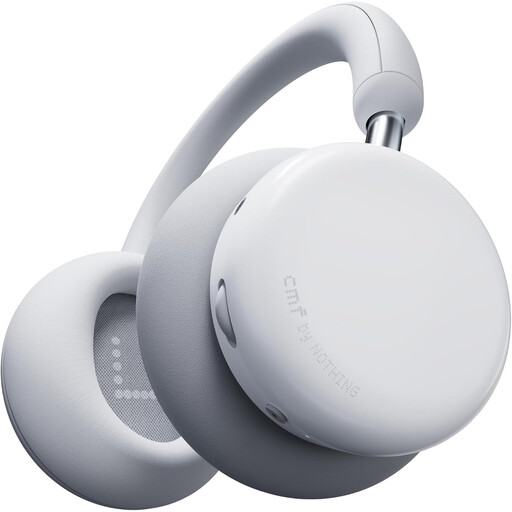 Image unavailable
The listed support for wired audio makes these a possible option if you want to listen via a cable. Check that the design and connector suit your mixing setup.
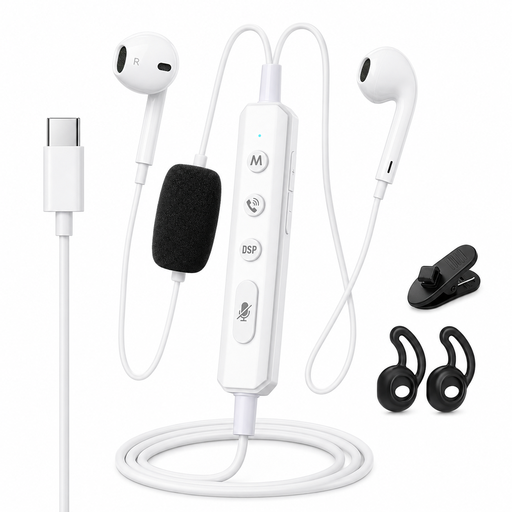 Image unavailable
The product name mentions wired monitoring and recording with a sound card. The KM08 is described as half-in-ear, unlike the over-ear studio headphones covered in the options above. Check that this style suits your listening and mixing work.
Not necessarily, but closed-back headphones generally help limit leakage when colleagues are nearby or you’re monitoring during a recording. Open-back headphones may suit a dedicated mix check if leakage is acceptable in your surroundings.
That depends on your interface’s connection. According to beyerdynamic, this variant has a 3.5 mm plug with a 6.35 mm adapter. Before buying, check which output your interface has.
Keep the volume as low as is practical and take breaks. The World Health Organization gives 80 dB for up to 40 hours a week as an example of safe listening; this isn’t a measurement of the level from your headphones.
For distance purchases, you’ll often have a 14-day cooling-off period. Check the applicable exceptions and who the seller is. You’re also covered by the legal guarantee if a product is faulty; Dutch government information doesn’t specify a single standard time limit for this. Different rules may apply to business purchases.
Not every product group requires CE marking. According to Business.gov.nl, it’s mandatory for specific product groups, so don’t assume a particular model needs a mark just because it’s described as a ‘studio’ product.