
Piano mixer in a quiet room
You mainly mix existing piano recordings and can use open-back earcups without disturbing a nearby microphone. Focusrite describes open-back headphones as an option for use in a control room.


If you mix piano recordings in a quiet room after they’ve been recorded, compare open-back, wired studio headphones. If you monitor close to a microphone, consider a closed-back model to reduce sound leakage. Before buying, check the impedance version, output, plug, cable length and fit. Also listen to your mix on another playback system: headphones sound different from speakers.
You mainly mix existing piano recordings and can use open-back earcups without disturbing a nearby microphone. Focusrite describes open-back headphones as an option for use in a control room.
You want to monitor while playing or recording, and need to make sure headphone sound doesn’t reach a microphone. Focusrite says closed-back headphones can help reduce sound leakage when monitoring close to microphones.
You work alongside other equipment and need to consider cable routing, connections and surrounding noise. The plug and cable length you need will depend on where the output on your piano or interface is located.
First decide whether you’ll also use the headphones to record near a microphone. Then check that the connection and fit suit your desk and equipment. Focusrite notes that higher impedance generally requires more power from a headphone output.
| What to consider | What to look for | Who this matters to |
|---|---|---|
| Mix checks | Open-back models let sound through; check your mix on another playback system too. | If I mainly mix existing piano recordings in a quiet room, I don’t want to base my decisions on just one way of listening. Around 40% of consumers prioritise checking their mix. |
| Sound leakage while recording | Check that closed-back earcups fit well; the fit affects how much sound they block. | When I monitor while playing close to a microphone, I want to stop headphone sound reaching the recording. Around 30% of consumers give reducing sound leakage top priority. |
| Connection and cable | Check the plug, any adapter, cable length and impedance version against your device’s output. | At a small desk, I want to connect my headphones without having to route an awkward cable around my equipment. Around 20% of consumers prioritise connections and desk space. |
| Comfort and listening | Consider the fit and earpads; keep the volume moderate and take regular breaks. | During longer mixing sessions, I want a comfortable fit and to listen responsibly. Around 10% of consumers say comfort and listening during long sessions are their main considerations. |
Higher impedance generally demands more from the headphone output. Whether you’ll get a useful listening volume depends on the output and the exact headphone version.
Check the impedance version and the capabilities of your piano or audio interface’s output. Don’t choose based only on a higher impedance figure.
Sound from open-back earcups can reach a nearby microphone while you’re recording.
For monitoring during a recording, it’s better to use a suitable closed-back model if sound leakage could be a problem. You could compare open-back models for mixing later on.
Headphones separate the channels differently from speakers, which can affect how you judge the stereo image. Sonarworks discusses this difference when mixing on headphones.
Check the final mix on another playback system too, paying attention to stereo width and balance.
A plug that doesn’t fit or a cable that gets in the way on a small desk can make it harder to connect your headphones and work comfortably.
Check the output, the plug or adapter supplied, and the cable length beforehand. If possible, try on the headphones to check how the earpads fit.
The open-back HD 560S is a wired option to compare for mixing in a quiet room.
The closed-back DT 770 PRO and open-back DT 990 PRO offer versions to compare for recording and mixing.
The closed-back, foldable K371 is worth comparing if both isolation and compact storage matter at a small desk.
The closed-back ATH-M50x is worth comparing for studio use where isolation and a foldable design are relevant.
The closed-back, wired MDR-7506 is worth comparing if you need a 3.5mm or 6.3mm connection.
This selection includes over-ear headphones and TWS earbuds, with wired and wireless listening options. Check each model’s design and connection to make sure they suit your piano, audio interface and way of mixing.
 No image available
An option if you want to combine wireless listening with wired use without a battery.
Listed listening options include Bluetooth and a 3.5mm audio cable.
 No image available
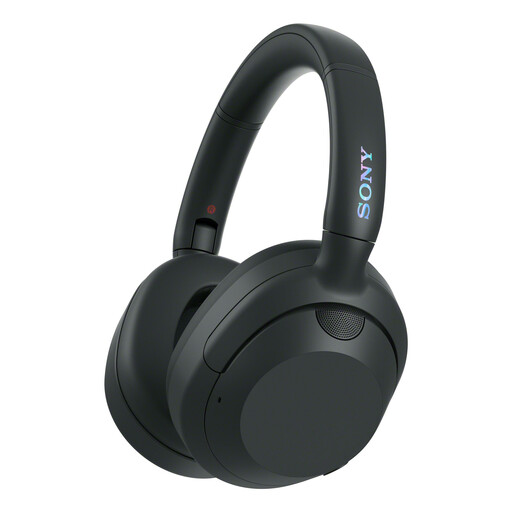
An option to consider if you’re looking for over-ear headphones with a detachable cable.
Listed cable options include USB-C and 3.5 mm; check which connection suits your equipment.
 No image available
An over-ear option to compare if you want to listen over a wired connection and are looking for a closed-back design.
The listed cable is 120 cm long and has a 3.5mm connection; check that it’s long enough to reach your output.
 No image available
These are TWS earbuds for anyone specifically looking for earbuds rather than over-ear headphones. Check that their design suits your mixing workflow and equipment.
The product name describes wireless earbuds; check the connection options you need before choosing them for mixing piano.
 No image available
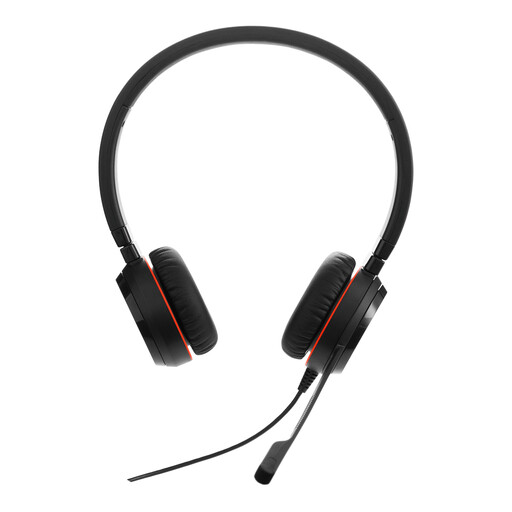
A stereo headset to consider for a wired desk set-up; check that the connections suit the output on your piano or interface.
The listed frequency response is 150 Hz–7 kHz. This range is limited for assessing the full frequency range of a piano.
Not if sound leakage could reach a nearby microphone; for monitoring, choose a suitable closed-back model instead. For mixing later in a quiet room, you can compare open-back models.
It depends on the output and the exact headphone version. Higher impedance generally demands more from the headphone output, but the volume you can achieve also depends on your equipment and source material. So check your output’s specifications.
Compare your mix with recordings you know well, and listen on another playback system too, paying attention to stereo width and balance. Sonarworks explains that headphones present the left and right channels to your ears differently from speakers.
Keep the volume moderate and take regular breaks. The World Health Organization gives 80 dB for up to 40 hours a week as an example of safe listening; this isn’t a guaranteed safe volume that you can tell from the position of a volume control.
For online purchases from a business, a 14-day cooling-off period applies in many cases, according to the Dutch government. This isn’t an unconditional rule for every purchase, so check the information that applies to your order and seller.