
Piano mixer in a quiet room
You mainly assess the balance and sense of space in existing piano recordings. Isolation is less important in this case than when monitoring during a recording.


If you mainly mix in a quiet room, start with open-back, wired studio headphones. If you record with microphones or your workspace is often noisy, compare closed-back models first. Open-back models don’t isolate you from external noise, so check both the fit and the connection to your own equipment before buying. You should also check your mix on another playback system.
You mainly assess the balance and sense of space in existing piano recordings. Isolation is less important in this case than when monitoring during a recording.
You may want to monitor while microphones are recording, or your workspace may often be noisy. So it’s worth comparing closed-back models too.
You wear your headphones for long periods, so consider the fit, cable arrangement and replaceable parts.
Best for: mixing in a quiet room when you don’t need isolation.
Bear in mind: you’ll still hear surrounding noise, and sound can leak out.
Best for: monitoring while recording with microphones or working in a noisy room.
Bear in mind: isolation also depends on the fit. Check your mix later in a quiet environment or on another playback system too.
| What to consider | What should you check? | Who is this important for? |
|---|---|---|
| Piano balance and sense of space | Listen in a quiet room and check the mix on another playback system too. | If I mainly mix existing piano recordings, I want to assess balance and positioning without making isolation my top priority. Around 36% of this group of consumers put mix assessment first. |
| Monitoring during recordings | Compare closed-back models and check how well the ear pads fit; don’t expect complete silence. | If I listen while recording with microphones or work in a noisy room, reducing surrounding noise is my top priority. Around 29% of consumers say recording or isolation is their first priority. |
| Comfort during long sessions | Try the headphones on where possible and check for pressure and heat. Replaceable ear pads don’t guarantee a good fit for everyone. | During long mixing sessions, I mainly want to know whether the headphones remain comfortable for as long as I wear them. Around 21% of this group of consumers put comfort first. |
| Connections and maintenance | Check the plug, any adapter, cable length and the output on your own interface. The impedance rating alone doesn’t tell you how loudly unfamiliar equipment will drive the model. | If I want to connect the headphones to my existing equipment or maintain their parts, I check these details in advance. Around 14% of consumers put connections or maintenance first. |
Open-back models aren’t designed to contain sound from the headphones. They may not be suitable if sound from the ear cups could get into your recording.
First decide whether you mainly mix in silence or want to monitor while recording. If it’s the latter, compare a closed-back model.
If you want to do both, you may need a closed-back monitoring option as well as open-back mixing headphones.
A description of a particular model doesn’t prove how it will sound with your recordings. Headphones are also just one monitoring reference.
Compare your mix with familiar recordings and check the final version on another playback system too.
The connections supplied and the replaceable parts available vary by model.
Check the exact version, the output on your equipment and whether the parts you need are suitable for how you’ll use the headphones.
Check whether a suitable adapter or replacement ear pads are included with the version you’ve chosen or available for that model.
beyerdynamic describes the open-back DT 900 PRO X as suitable for mixing; according to the manufacturer, the closed-back DT 700 PRO X is also designed for recording and monitoring.
Sennheiser positions the open-back HD 490 PRO for mixing and mastering, and describes two types of replaceable ear pads.
The closed-back K371 is a model worth comparing for monitoring in a less quiet workspace.
Audio-Technica describes the closed-back ATH-M40x as suitable for tracking, mixing and monitoring.
Sony describes the MDR-7506 as professional headphones for recording and studio environments.
The Joybuy products below include headphones and headsets with a range of connections. Check whether each model’s connection and design suit your piano setup.
 Image unavailable
The product information also mentions wired listening; check that the supplied cable and connection suit your audio output.
The title mentions noise cancelling and a 60-hour battery life. The description lists a supplied 3.5mm audio cable and adjustable EQ.
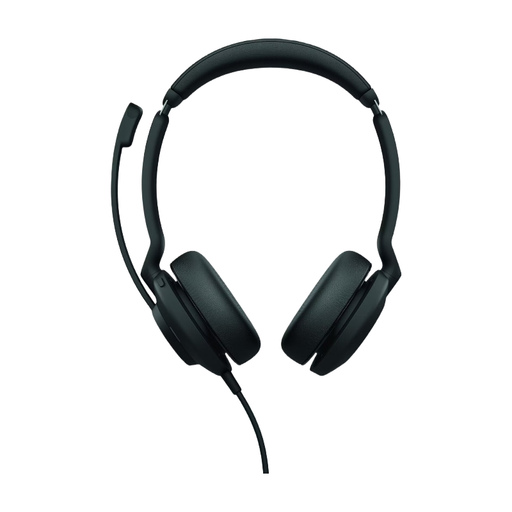 Image unavailable
For a wired stereo setup, the listed USB-A connection is worth noting; check that it works with the audio output you want to use.
The product information lists a USB-A connection, stereo sound and two integrated microphones.
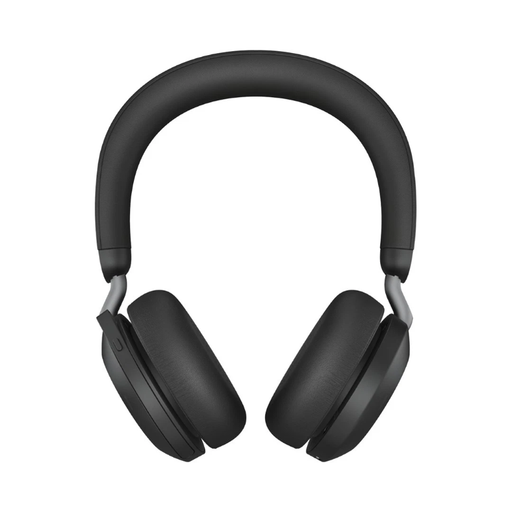 Image unavailable
If you want the option of listening wirelessly or with a cable, check that the listed connections suit your equipment.
The product information lists Bluetooth 5.2 and a USB-C cable for wired use.
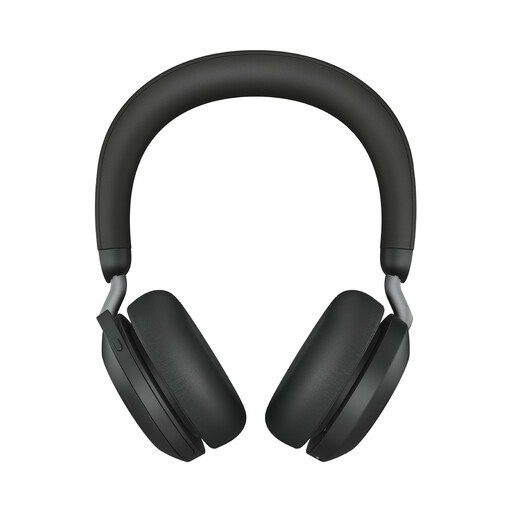 Image unavailable
Before using it with your computer, check that the USB-A version and Bluetooth suit your listening setup.
The product information lists Bluetooth and a connection to two devices.
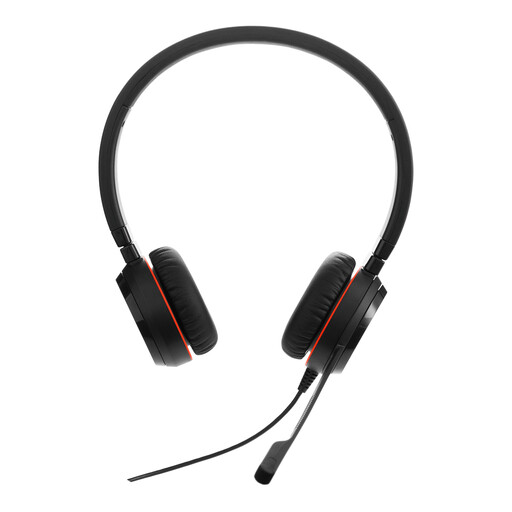 Image unavailable
For a wired stereo setup, the listed 3.5mm connection is worth noting; check that the cable is long enough for your desk.
The product information lists a 0.95 m cable and wired stereo playback.
Compare a closed-back model if sound from the headphones could get into the recording. If you like, assess the final mix separately in a quiet room; open-back headphones won’t prevent sound from leaking out.
Check the plug and any adapter against the headphone output on your interface or computer. beyerdynamic specifies a 3.5mm plug with a 6.35mm adapter for the DT 900 PRO X; Audio-Technica lists a 6.3mm adapter for the ATH-M40x. Then test them at a comfortable listening volume.
The World Health Organization advises taking both sound level and total listening time into account. As an example, it cites 80 dB for up to 40 hours a week. This is health guidance, not a statutory Dutch volume limit or a direct reading from your equipment’s volume control.
For distance purchases, the cooling-off period is usually 14 days, according to the Dutch government; check the terms for your specific purchase. You’re also covered by the statutory guarantee: if the product isn’t right, the seller must provide a solution. An additional guarantee doesn’t replace this right.