
Piano mixer in a quiet home studio
You mainly assess tonal balance and stereo positioning, and can use open-back headphones without disturbing others or picking up sound on microphones.


If you mix in a quiet room with no microphone nearby, wired open-back studio headphones are a good fit for your setup. If you’re recording at the same time or need to block out background noise, compare closed-back models instead. Also check that they remain comfortable, the cable is long enough when your desk is at its highest setting, and your audio output can drive the headphones properly.
You mainly assess tonal balance and stereo positioning, and can use open-back headphones without disturbing others or picking up sound on microphones.
You want to minimise sound leakage while recording, so you compare closed-back models, even if you use a different listening reference for mixing.
You look for a comfortable fit, enough cable reach and a connection that remains practical when you raise your desk.
Best for: mixing in a quiet room when there’s no live microphone nearby.
Bear in mind: open earcups let in background noise and allow sound to escape, which can affect a recording.
Best for: monitoring piano parts during microphone recordings or listening in a shared space.
Bear in mind: check the fit, and assess important mixing decisions using another listening reference too.
First decide whether you need less sound leakage while recording or open-back listening in a quiet room. Then check that the fit, cable and connection suit your workspace.
| Consideration | What should you check? | Who should consider this? |
|---|---|---|
| Piano sound and stereo image | Compare wired open-back models using familiar piano recordings, and check important decisions on a second playback system. | If you mainly want to assess tonal balance and positioning in a quiet room, an accurate mix reference is a priority. Around 33% of consumers cite this as their main reason for buying. |
| Isolation while recording | Decide whether you’ll be using a microphone while listening, and check that the earcups fit snugly. | If you’re recording with a microphone at the same time or working in a shared space, you’ll want to minimise sound leakage and distracting background noise. Around 27% of consumers prioritise isolation for this reason. |
| Fit and cable routing | Try the headphones on for an extended period and measure the cable route with the desk at its highest setting. | When working at a standing desk for long periods, you’ll want to move comfortably without pulling the cable taut. Around 20% of consumers prioritise comfort and cable reach. |
| Connection and maintenance | Check your interface’s headphone output and adapter, and see which parts of the exact model can be replaced. | If you want to use the headphones with your existing equipment and replace parts when needed, check that they’re compatible first. Around 20% of consumers start by considering the connection and maintenance. |
Sound from open earcups can be picked up by the microphone during a recording.
If you’re recording at the same time, compare a well-fitting closed-back model first, and if possible check the finished mix using another listening reference.
The length you need depends on the route to your audio interface and the desk’s highest setting. The cable is not detachable on every model.
Measure the cable route and check the plug, any adapter and whether the cable can be replaced for the exact version.
According to Sennheiser’s Dutch product information, the Sennheiser HD 600 has an impedance of 300 ohms. Also check that your equipment’s headphone output can drive it properly.
Compare your interface’s specifications with those of your chosen model, and try the setup at a safe listening level.
A different suitable cable or a new position for your audio interface may mean making extra changes to your workspace.
The open-back HD 490 PRO and HD 600 are models worth comparing for wired mixing.
The open-back ATH-R30x and closed-back ATH-M40x offer different options to compare for a quiet workspace or when isolation matters.
The closed-back K371 is worth comparing if you want less sound leakage while recording or working in a shared space.
The open-back DT 900 PRO X is another option to compare for wired mixing.
The wired MDR-7506 is worth considering alongside other closed-back options for recording and studio use.
This selection includes headphones for a range of listening needs. Before mixing, check that each model’s wired connection and intended use suit your audio interface.
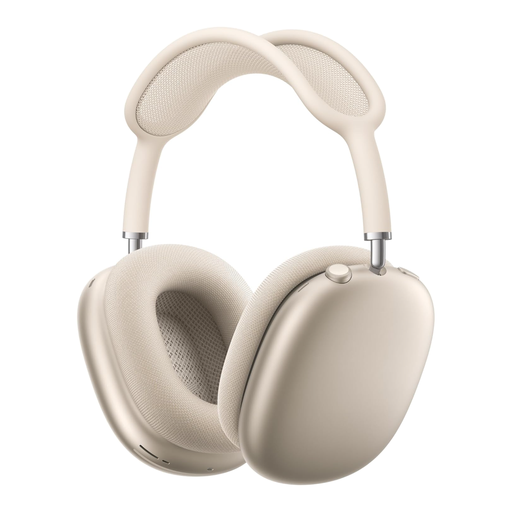 No image available
Check that the connection and listening mode work with your audio interface and the way you assess piano recordings.
 No image available
If you need a wired connection for mixing, check that the connection and supplied cable for your chosen version are compatible with your interface.
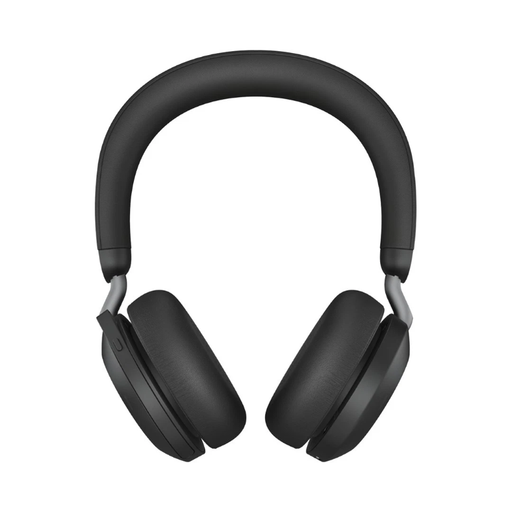 No image available
Check that this headset’s connection and controls suit your recording and mixing workflow.
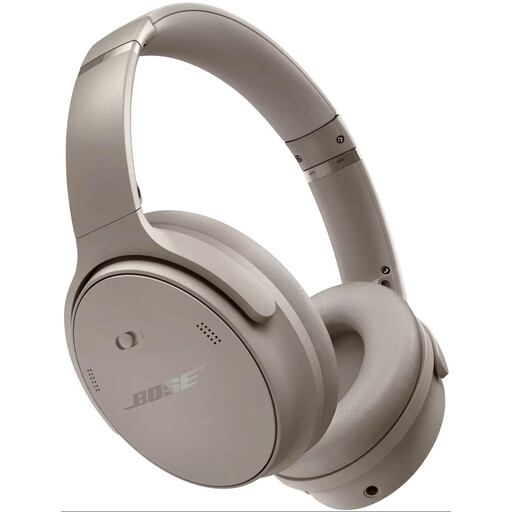 No image available
Check in advance that the connection options are compatible with your equipment and that the model suits the way you listen while mixing.
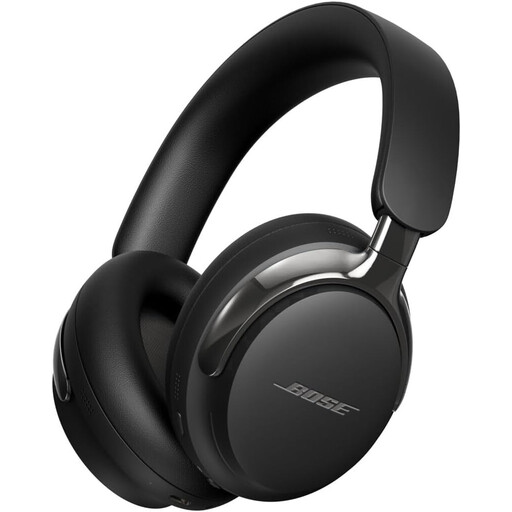 No image available
For this version, check that the cable and connection you need are available and compatible with your audio interface.
Yes, but choose based on the task you do most often. A closed-back model generally reduces leakage while recording; an open-back model is suited to assessing a mix in a quiet room. Check important mixes using another listening reference too.
Measure the route from the headphones to your audio interface with the desk at its highest setting. Then check the cable length, plug and any adapter for the exact version.
Check that your audio interface’s headphone output can drive the HD 600 properly. Sennheiser lists an impedance of 300 ohms for this model; test the setup at a safe listening level.
According to ACM ConsuWijzer, online purchases generally come with a statutory 14-day cooling-off period after delivery, although some exceptions may apply. The cooling-off period is separate from the statutory guarantee; if a consumer product is faulty, the seller is responsible for providing an appropriate solution.
Follow the care instructions for the exact model and check which parts can be replaced. Sennheiser lists washable, replaceable ear pads for the HD 490 PRO; beyerdynamic lists replacement parts for the DT 900 PRO X.