
Editor working alongside colleagues
You’re editing and assessing percussion while other people work nearby, so sound leakage and distractions matter.


At a shared desk, wired, closed-back over-ear headphones are a sensible place to start. They generally provide more isolation than an open-back design, helping to reduce distractions and sound leakage. RTINGS describes open-back headphones as allowing more sound to pass through; consider them if your workspace is quiet and sound leakage is not a concern. For every model, check the fit, cable and connection too: the design alone won’t guarantee an accurate mix.
You’re editing and assessing percussion while other people work nearby, so sound leakage and distractions matter.
You can listen critically to placement and balance in a quiet room, so you may also be considering open-back reference headphones.
You switch between editing and listening back, and pay particular attention to fit, replaceable parts and how the headphones connect to your setup.
First, work out how much sound leakage and background noise your workspace can accommodate. Then compare fit, listening performance and compatibility with your equipment.
| What to consider | What should you check? | Who is this important for? |
|---|---|---|
| Isolation and sound leakage | Compare closed-back and open-back designs, and see how well the ear pads seal around your own head. | If I’m editing percussion alongside colleagues, I want to minimise distractions and audible sound leakage. Around 36% of this group of consumers prioritise isolation when buying. |
| Detail and balance | Listen to familiar source material and check important decisions using another monitoring option too; a stated frequency range alone doesn’t prove that the sound is neutral. | When I’m assessing transients, low-end balance and placement, I don’t want to rely on just one pair of headphones. Around 29% of this group of consumers prioritise percussion detail and balance. |
| Comfort | If possible, try the headphones during a realistic listening session, perhaps with your usual glasses, and check whether suitable replacement ear pads are available. | For long editing sessions, I want a fit that feels comfortable to me and stays secure. Around 21% of this group of consumers prioritise comfort when buying. |
| Connectivity and maintenance | Check the plug size, any adapter and the cable; also make sure your chosen output can drive the specific model adequately. | If I want to keep using my existing interface or laptop, the connections and replaceable parts need to suit my setup. Around 14% of this group of consumers prioritise connectivity or maintenance. |
Open-back ear cups let more sound through and provide less isolation from background noise. This can be distracting at a shared desk or when there’s a microphone nearby.
First, decide whether sound leakage and background noise are acceptable in your workspace. Then compare open-back and closed-back models.
The beyerdynamic DT 770 PRO is available in versions including 32 Ω, 80 Ω and 250 Ω. Which output will work depends on the headphones you choose and the equipment you connect them to.
Note the full model variant and check it against the specifications for your interface or headphone output.
Depending on the combination, you may need a different headphone output or an amplifier.
A stated frequency range alone doesn’t tell you how evenly the headphones reproduce percussion and low frequencies.
Listen to familiar reference material and, where possible, check important editing decisions using another monitoring option.
The MDR-M1 is a closed-back monitor headphone designed for audio production.
The DT 770 PRO is a closed-back range with different impedance versions; the European version described here is 80 Ω.
The ATH-M50x is a closed-back, wired pair of studio headphones.
The K371 is a closed-back, foldable pair of studio headphones for monitoring and editing.
The HD 600 is an open-back reference option; other HD models may have a closed-back design.
This Joybuy selection includes over-ear and in-ear models with different connections and features. For each model, check that the wearing style, connection and any noise cancellation suit the way you edit percussion; the product information doesn’t confirm that every model is a pair of studio headphones.
 No image available
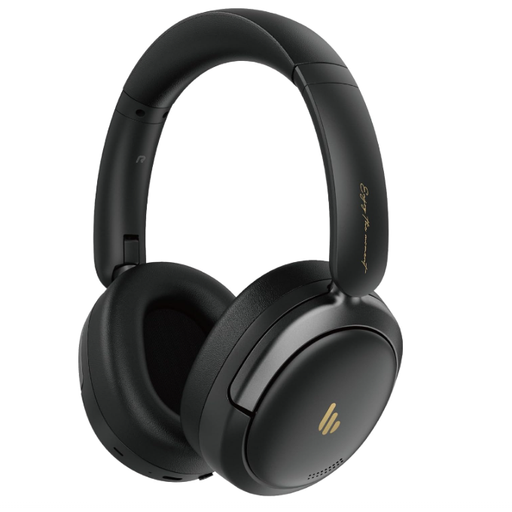
Could suit you if you’re looking for over-ear headphones that can be used both wirelessly and with a cable; check that the features work with your editing setup.
Bluetooth and wired use with an included 3.5mm audio cable.
The product name lists 60 hours of battery life and noise cancellation.
 No image available
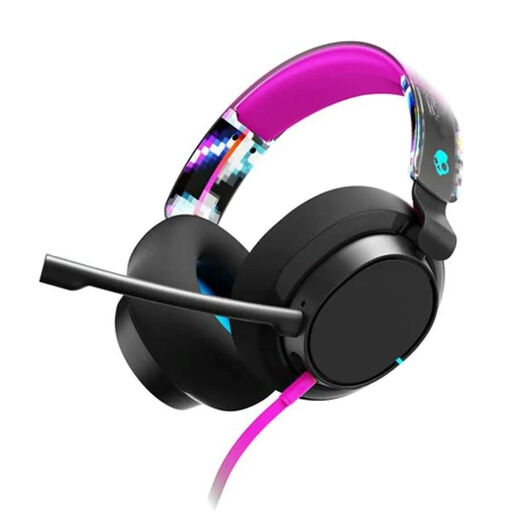
A wired over-ear gaming headset to consider if you also need a microphone and controls; check that the connections are compatible with your equipment.
The product information lists 50mm drivers, a detachable microphone and volume control.
Connections: 3.5 mm and USB.
 No image available
Could be worth considering if you want foldable over-ear headphones with a wired USB-C option; check that the connection suits your audio source.
Bluetooth 5.4 and wired USB-C audio.
The product name lists hybrid active noise cancellation and 45 hours of playback.
 No image available
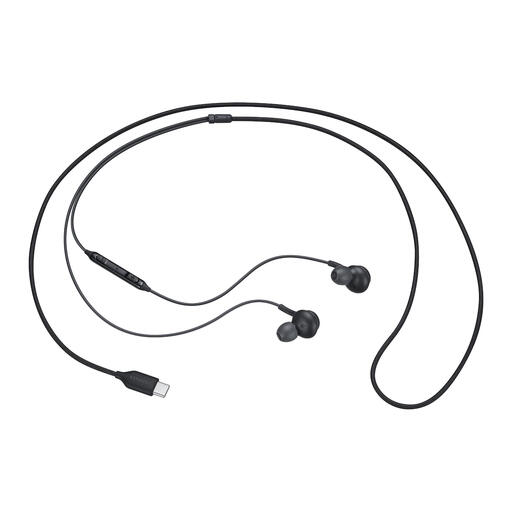
An option if you prefer wired in-ear headphones and use a USB Type-C connection; consider whether in-ear listening is suitable for your editing work.
The product information lists a built-in DAC and multiple ear tip sizes.
 No image available
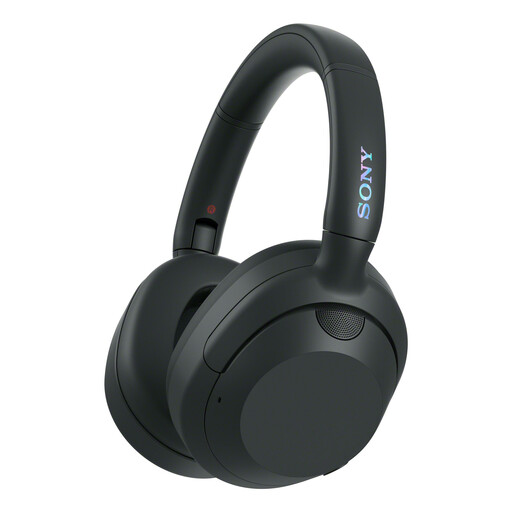
Could suit you if you’re considering over-ear headphones with closed-back ear cups and a wired connection; check the fit and listen to see whether the sound is suitable for your editing work.
The product information lists a 3.5mm connection, a detachable cable and active noise cancellation.
Foldable design.
Yes, if there’s little background noise and sound leaking from the ear cups won’t disturb anyone else. If you’re working alongside colleagues or near a microphone, closed-back headphones are generally a more practical place to start.
No, but check that the specific headphones work with your output. Sennheiser explains that higher-impedance models generally need more power to drive them; the HD 600 has an impedance of 300 Ω. That figure alone doesn’t determine whether your interface will provide a usable level.
Check that the plug and any adapter fit, and position the cable so it doesn’t get in the way of your work. Check the seal while wearing your usual glasses or headwear, and look for replacement cables or ear pads using the full model name.
When you buy as a consumer, you’re covered by the legal guarantee as well as any manufacturer’s warranty. If the product doesn’t do what you could reasonably expect under normal use, the retailer is responsible for providing an appropriate remedy at no extra cost, such as a repair or replacement; in some cases, you may be entitled to a refund. ACM ConsuWijzer explains these consumer rights.
Rules for workplaces with employees are based on daily exposure to noise. According to Arboportaal, employers must make hearing protection available above 80 dB(A); above 85 dB(A), employees must wear it. This isn’t a fixed volume setting or a product specification for studio headphones: actual exposure and the rules that apply to the workplace are what matter.