
Listener in a noisy home
You want to compare quiet orchestral passages without drowning out household noise by turning up the volume. So pay attention to how well the headphones fit and seal.


If household noise masks quiet orchestral passages, a closed-back model is a sensible option to consider. If you move between rooms while doing chores, a wireless model may be more practical. Open-back headphones are best suited to focused comparisons in a quiet place, but offer less isolation. Check the fit, connections and settings, then compare the same excerpts at a similar volume: specifications alone can’t prove which model sounds the most accurate.
You want to compare quiet orchestral passages without drowning out household noise by turning up the volume. So pay attention to how well the headphones fit and seal.
You want to keep listening as you move between rooms while doing chores, without a cable getting in the way. With a wireless model, remember to consider battery life and sound settings too.
You compare performances or recordings in a quiet listening spot and value the presentation of space more than isolation.
Choose this option: if household noise masks quiet passages and you usually stay close to a suitable audio output.
Bear in mind: a cable can get in the way when walking around or cleaning, and a closed-back design doesn’t guarantee complete noise reduction.
Choose this option: if you often move between rooms and a cable gets in the way. Audio-Technica lists Bluetooth and an optional wired connection for the ATH-M50xBT2.
Bear in mind: battery charge and sound settings; keep the EQ and volume the same when comparing recordings.
Choose this option: if you’re making focused comparisons in a quiet place. Sennheiser positions the open-back HD 560S for A/B comparisons.
Bear in mind: open-back earcups let outside noise in and sound out; also check that the connection is compatible with your playback device.
These considerations are for consumers who want to compare orchestral recordings while doing household chores.
| What to consider | What to look for when buying | Who might this matter to? |
|---|---|---|
| Isolation from household noise | Assess the fit and seal in relation to the sounds in your home. | If I want to hear quiet passages without continually turning up the volume, I pay attention to the seal and fit; around 36% of consumers say blocking out household noise is their top priority. |
| Freedom to move | Check the connection options and keep the sound settings the same when comparing recordings. | When I’m walking between rooms and a cable gets in the way, listening without one matters more to me; around 29% of consumers put moving around cable-free at the top of their list. |
| Comparing recordings | Use the same excerpts at a similar volume and choose a quiet place to listen. | When I compare recordings in a quiet place, I want to assess the differences without being disturbed by my surroundings; around 21% of consumers say critical listening is their top priority. |
| Fit and maintenance | Assess the pressure and ear cushions, and check which parts are compatible with the exact version. | For longer listening sessions, I want headphones that feel comfortable and are practical to maintain; around 14% of consumers prioritise comfort and maintenance. |
During noisy chores, background sounds can mask quiet music. An open-back model is best suited to a quiet listening spot, rather than providing isolation.
Distinguish between focused listening in a quiet place and listening while doing noisy household chores.
Audio-Technica describes the ATH-M50xBT2 as having a related sound signature; that isn’t an independent comparison of orchestral recordings.
Check the EQ and volume, and listen to the same familiar excerpts before attributing differences to the recording.
A cable can get in the way during household chores, and a poor fit can affect the seal.
Check the cable routing, connection and pressure on your head. Also check which parts are available for the exact version.
These examples relate to specific models and product ranges; their features aren’t a judgement on every pair of headphones from a brand.
The DT 770 PRO X is a closed-back, wired option if isolation and a detachable cable are important to you.
According to Audio-Technica, the ATH-M50xBT2 combines Bluetooth with an optional wired connection, making it an option for listening as you move around the house.
The HD 560S is an open-back, wired option for comparisons in a quiet place, rather than a model primarily designed for isolation.
The closed-back, foldable K371 is a wired studio headphone to consider if you want a model that’s easy to store.
The MDR-M1 is a wired monitoring option with closed-back earcups.
The headphones below are aimed at listening while doing household chores. Check which connections and settings suit the way you compare recordings for each version.
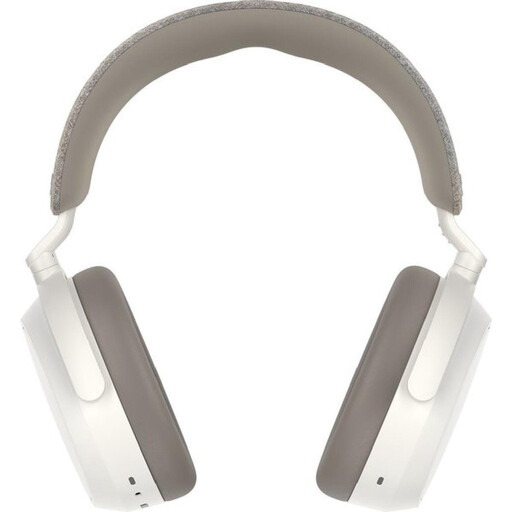 No image available
The product name mentions wireless use and noise cancelling. This may suit listening as you move around the house, but it doesn’t tell you how clearly quiet passages will come through in your space.
The product name lists 60 hours of battery life, fast charging and four microphones.
 No image available
The product name mentions Bluetooth, which may be useful if you move around while doing household chores. Before buying, check that the connections and settings suit your playback device and comparison method.
The product name lists the colour as black.
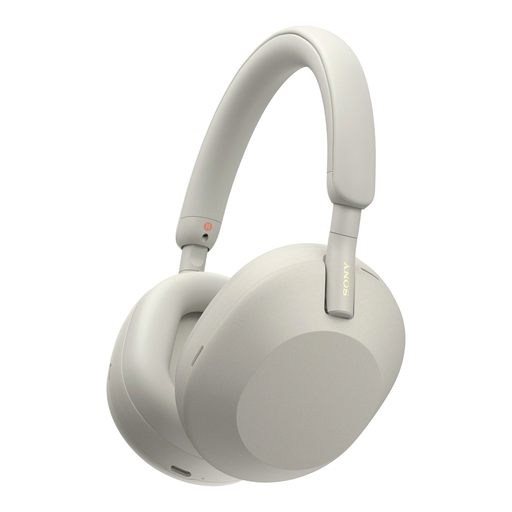 No image available
The product name mentions wireless use and noise cancelling. Assess for yourself whether the fit and clarity of quiet passages suit the sounds in your home.
The product name lists the colour as silver.
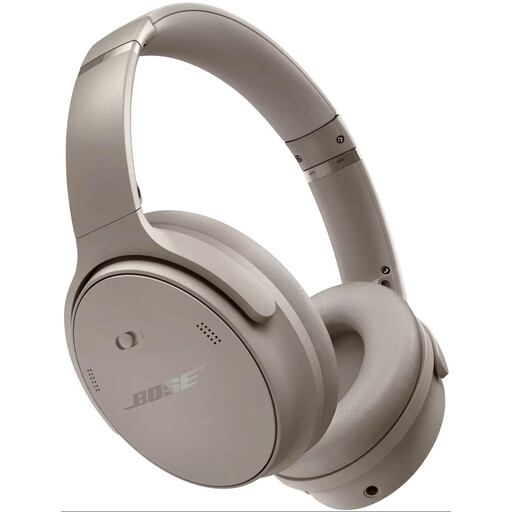 No image available
Before comparing recordings with this version, check which connections and sound settings are available; the model name alone doesn’t provide those details.
The product name lists the colour as Sandstone.
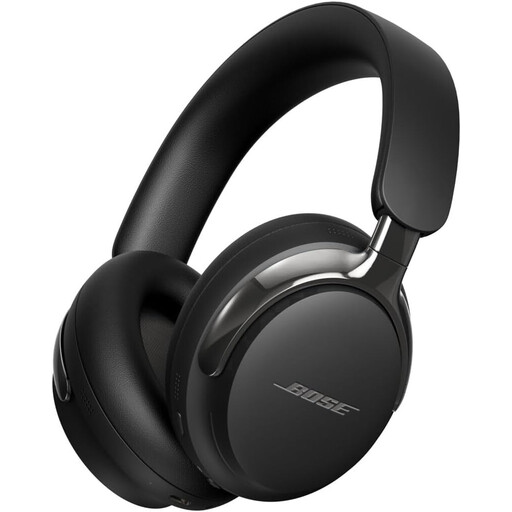 No image available
This version may suit anyone who wants the flexibility to listen while doing household chores; before buying, check that it offers the wireless or wired connection you need.
According to the product information, a charger isn’t included in the box and PD fast charging isn’t supported.
Compare the plug on the exact version with the headphone output on your playback device. Audio-Technica lists a 1.2-metre cable included with the ATH-M50xBT2 for optional wired listening; the DT 770 PRO X has a detachable mini-XLR cable at the headphone end.
Use the same playback route and keep the volume and EQ consistent between excerpts; ideally, compare them in a quiet place too. The adjustable EQ on the ATH-M50xBT2 makes it especially important to check your selected setting. This is a practical way to compare recordings, not a judgement on which model is more accurate.
First check the fit and seal, and don’t keep turning up the volume to drown out background noise. The World Health Organization gives a maximum of 40 hours per week at an average of 80 dB as an example; at a higher sound level, the recommended safe listening time decreases.
Check that the specific version has the required markings and product information. The Dutch Authority for Digital Infrastructure states that radio equipment is subject to requirements under the applicable European rules and must carry the CE marking; a product name alone doesn’t show that a specific item meets them.
For a consumer purchase in the Netherlands, the retailer is your point of contact for your statutory guarantee. According to the Dutch government, how long you can reasonably expect a product to last depends on what you could reasonably expect from that product; any manufacturer’s guarantee is in addition to this.