What should you look for?
First, consider how quiet your listening spot is: background noise can mask quieter passages, while an open-back design lets outside sound in. Assess active noise cancellation for each model and listening mode; the label alone won’t tell you how you’ll experience orchestral recordings.
| What to consider |
What should you look for? |
Who should pay particular attention? |
| Background noise during quiet passages |
Check how the ear cushions fit and compare a familiar quiet passage at a sensible volume. |
If campsite noise drowns out quieter sections, I want to hear them without turning up the volume. Around 36% of consumers in this scenario put isolation first. |
| Comparing recordings fairly |
Keep the source, passage and volume level the same when comparing recordings or headphones. |
If you want to assess differences in orchestral sound and presentation, a quiet listening spot is helpful. Around 29% of consumers prioritise this comparison. |
| Connection and cable |
Check the output, plug, any adapter, cable length and the full model and impedance name. |
If I’m using a portable source, I want to make sure the version and cable I choose are compatible. Around 21% of consumers focus mainly on the connection and ease of use. |
| Wearing comfort |
Try the headband and ear cushions; if possible, test the headphones while wearing glasses. |
If I’m listening for several sessions in a row, I want the headphones to feel comfortable. Around 14% of consumers make wearing comfort their main priority. |
Joybuy headphones for listening at a campsite
This selection focuses on headphones with active noise cancellation for situations where background noise is a factor. For each model, check the connection and listening modes that suit your source and the way you compare recordings.
 No image available
Sennheiser MOMENTUM 4 Wireless
Could suit you if you want to consider active noise cancellation when listening somewhere with background noise; check that the connection options and listening mode work with your source.
The product name lists wireless use, noise cancellation and 60-hour battery life.
The product information says the headphones are not water-resistant; bear this in mind in damp conditions.
View at Joybuy
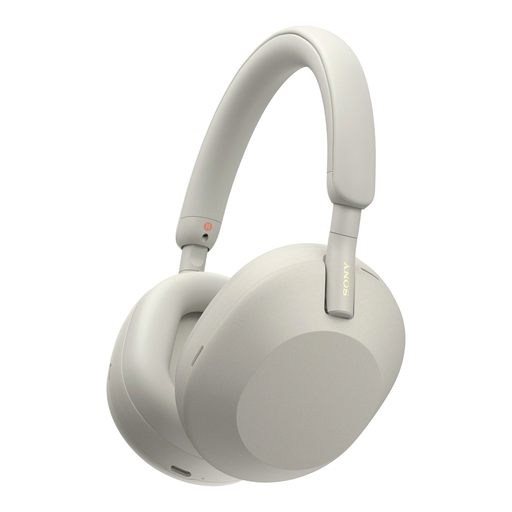 No image available
Sony WH-1000XM5
Worth considering if you’re looking for wireless over-ear headphones with noise cancellation; check which connections and listening modes suit your comparisons.
The product name lists wireless use and noise cancellation.
View at Joybuy
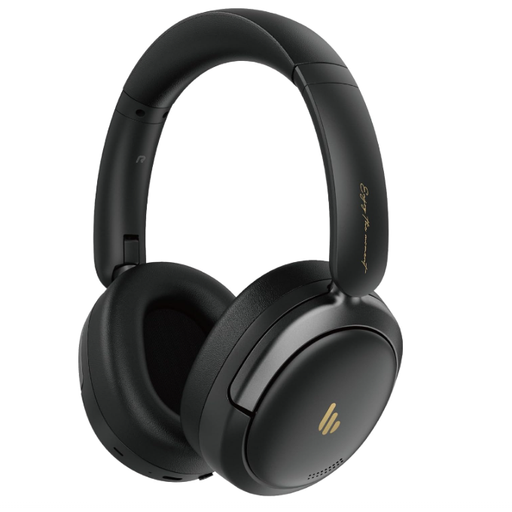 No image available
Edifier Atom Max
Could suit you if you’re looking for foldable over-ear headphones with active noise cancellation; check that the listed connection works with your playback source.
The product name lists hybrid active noise cancellation, Hi-Res Audio and 45 hours of playback time.
View at Joybuy
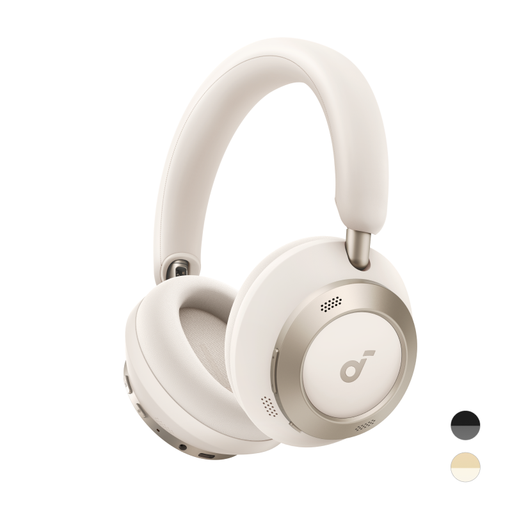 No image available
Soundcore by Anker Space One Pro
Worth considering if you’re looking for foldable wireless headphones with active noise cancellation; check the connection options for your listening source.
The product name lists adaptive active noise cancellation, a foldable design and 60-hour battery life.
View at Joybuy
 No image available
Bose QuietComfort Ultra Headphones (2nd Gen)
If you’re considering over-ear headphones for listening in a noisy environment, check the listening modes and cable connection for the exact model.
The product name lists the second generation and the colour Black.
The product information says that no charger is included and PD fast charging is not supported.
View at Joybuy
Frequently asked questions
How can I compare two orchestral recordings without mistaking differences between the recordings for differences in the headphones?
Use the same headphones and playback source for both recordings. Compare familiar passages at a similar, sensible volume, and keep the source and passage the same when you compare headphones too. The Dutch Consumers’ Association assesses tonal balance and wearing comfort as separate qualities.
Can I use open-back headphones if other campers are sitting nearby?
You can, if your listening spot is quiet enough and the open-back design is suitable for the surroundings. Sennheiser describes the HD 560S as open-back, so don’t expect the same isolation as you’d get from a closed-back design.
What should I check before connecting my headphones, and how can I get a good fit?
Check that the plug and any adapter match your playback source’s output, confirm the exact version and adjust the headband. The Dutch Consumers’ Association notes that wearing headphones at an angle can affect the sound; once they’re on, check that both ear cups sit properly.
What are my rights if headphones bought online aren’t suitable or break too soon?
For online consumer purchases in the Netherlands, you generally have 14 days from delivery to change your mind; check the applicable returns terms. Separately, statutory guarantees apply if a product doesn’t perform as you could reasonably expect under normal use. ACM ConsuWijzer says the seller must then provide an appropriate solution free of charge.
How can I avoid trying to drown out campsite noise by turning the volume up too high?
Choose well-fitting headphones, keep the volume low and take breaks. The WHO recommends a maximum of 40 hours a week of safe exposure at an average sound level of 80 dB; this is exposure guidance, not a volume setting you can work out from a product specification.


