
Critical listener
You compare restored and original excerpts in a quiet room and want to assess the sound and stereo image carefully.


In a quiet study, open-back wired headphones are a good fit if you mainly want to assess differences in sound and stereo positioning, and sound leakage isn’t a concern. Choose a closed-back design if you need to block out ambient noise, avoid disturbing others nearby or prevent sound from reaching a microphone. With either type, check the fit, connection and output of your playback device; the design alone doesn’t prove that you’ll hear restoration flaws more clearly.
You compare restored and original excerpts in a quiet room and want to assess the sound and stereo image carefully.
You listen to many excerpts in a row and pay attention to fit, a manageable listening volume and parts that can be replaced when they wear out.
Even in a study, ambient noise can be distracting, or you may want to stop others from hearing your headphones. In that case, isolation should factor into your choice.
First, decide whether your room and working environment allow for open-back listening or whether you need isolation. Then compare the fit and check that the version you choose connects to your playback device.
| What to consider | What should you check? | Who is this important for? |
|---|---|---|
| Sound and stereo image | Compare familiar excerpts using the same playback chain at a comfortable volume, and decide whether sound leakage is acceptable in your room. | If I mainly want to compare restoration versions for sound and stereo positioning, an open-back design may suit my quiet space; around 33% of consumers put comparing sound quality first. |
| Comfort during long sessions | Assess the fit and pressure, and check whether the ear pads are replaceable on the exact version. | When I listen to excerpts for long periods, I want a fit that stays comfortable for me, and I take breaks; around 25% of consumers prioritise long-wearing comfort. |
| Connection and power requirements | Check the plug, any adapter, the impedance version and the usable volume from your output. Beyerdynamic offers the DT 770 PRO in 32, 80 and 250 ohm versions for different devices; the Sennheiser HD 600 is specified at 300 ohms. | If I want to use my existing equipment, I check that the connection fits and that the output provides enough usable volume; around 25% of consumers prioritise compatibility with their own equipment. |
| Isolation and sound leakage | Consider ambient noise, other people nearby and any microphones; the fit affects how well the ear pads seal. | If ambient noise or sound leaking to others gets in the way of my assessment, isolation matters more than an open-back design; around 17% of consumers prioritise isolation. |
A description of intended use or a manufacturer’s claim isn’t an independent test using your restored excerpts.
Compare the same familiar passages and decide whether sound leakage is acceptable in your room.
The beyerdynamic DT 770 PRO is available in 32, 80 and 250 ohm versions, which the manufacturer associates with different types of device.
Check the full model name and the output of your playback device before choosing a version.
Open-back headphones let sound through. On closed-back models, how well the ear pads fit and their condition both affect practical isolation.
Consider whether others might hear the sound, and check which replacement parts fit your exact model.
The HD 600 and HD 490 PRO are open-back models worth comparing if you listen in a quiet space.
The DT 770 PRO offers a closed-back option; the DT 990 PRO is an open-back model to compare for critical listening.
The ATH-R50x is an open-back model worth comparing if weight and replaceable ear pads matter to you too.
The K702 is an open-back model; the K371 is a closed-back alternative if isolation matters more.
Neumann describes the NDH 30 as open-back headphones for editing, mixing and mastering.
Below is a selection of Joybuy headphones and headsets with different connections and descriptions of use. For each model, check that its connection and features suit the way you listen critically.
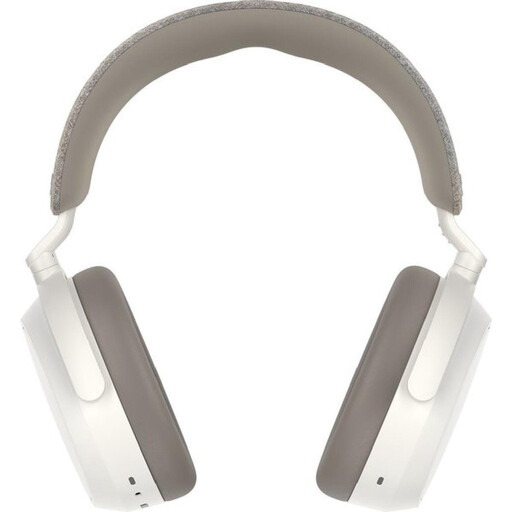 No image available
The product description mentions a 3.5 mm audio cable for listening without battery power; check that the connection works with your playback device.
The product name mentions noise cancellation and a wireless design.
 No image available
The product name describes wireless over-ear headphones for music and office use; check that they suit your listening set-up.
The product name mentions active noise cancellation and 24 hours of battery life.
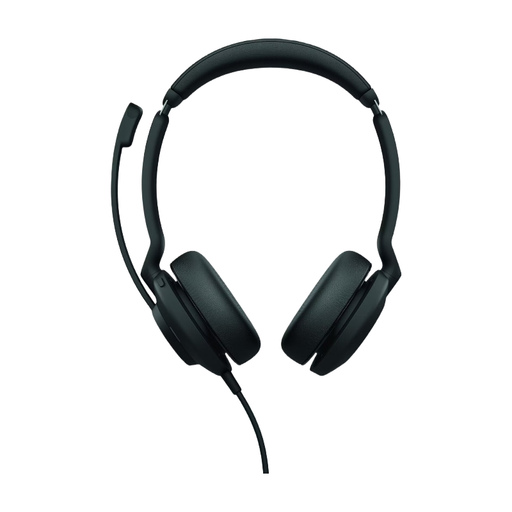 No image available
The product description mentions USB-A stereo and compatibility with Windows and Mac; check that your computer has the right connection.
The description mentions memory foam ear pads and an adjustable headband.
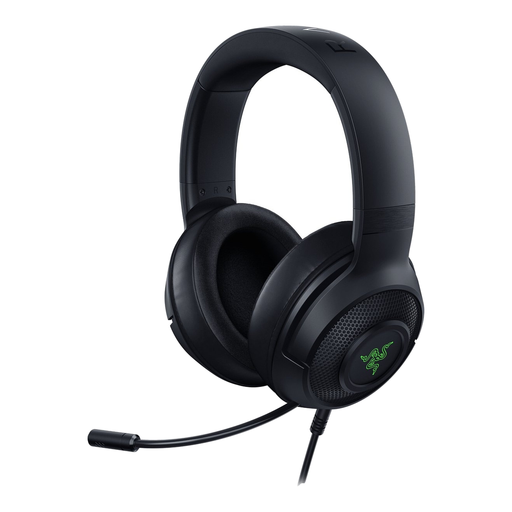 No image available
The product description lists a USB headset with stereo audio for PC use; check that the connection works with your equipment.
The stated weight is 285 g.
 No image available
The product description mentions a closed-back over-ear design and an audio cable for listening without battery power; check that the connection works with your equipment.
The product name mentions a Bluetooth version.
Not necessarily: if outside noise and sound leakage don’t bother you, you can compare an open-back model. If ambient noise, other people nearby or a microphone are priorities, compare closed-back models and check the fit.
Check the plug, any adapter, the exact version and the usable volume from your output. For the DT 770 PRO, beyerdynamic offers 32, 80 and 250 ohm versions for different intended devices, so check the full model version.
Start at a low volume and take regular breaks; don’t turn it up just to look for small flaws. The World Health Organization gives 80 dB for up to 40 hours per week as a general guideline. This isn’t a measurement of your headphones’ sound level.
Check which replacement parts fit the exact version and follow the manufacturer’s care instructions. Manufacturers list replaceable ear pads for models including the beyerdynamic DT 770 PRO, Audio-Technica ATH-R50x and AKG K702.
Online consumer purchases generally come with a statutory cooling-off period of up to 14 days after delivery; ACM ConsuWijzer notes that exceptions may apply. Your statutory guarantee is separate from any manufacturer’s warranty: if a product doesn’t do what you could reasonably expect under normal use, contact the seller.