Brands worth comparing
The features below apply to the product lines and versions listed; claims about sound or comfort don’t guarantee that a model will suit your mix or fit you well.
beyerdynamic
Compare the open-back DT 900 PRO X with the closed-back DT 770 PRO as two different design options.
- beyerdynamic specifies a 48-ohm impedance and two detachable cable lengths for the DT 900 PRO X.
- The DT 770 PRO is available in 32, 80 and 250 ohm versions. The open-back DT 900 PRO X doesn’t provide closed-back isolation.
Sennheiser
Sennheiser positions the open-back HD 490 PRO for mixing and mastering; it may be worth considering for working in a quiet room.
- Sennheiser lists two types of ear pads, replaceable pads and a detachable cable.
- Claims about precision, spaciousness and comfort come from the manufacturer. The open-back design offers less isolation if sound leakage is your main concern.
Audio-Technica
The closed-back, foldable ATH-M40x is an option to consider if you’re weighing up isolation and storage alongside mixing use.
- Audio-Technica lists a nominal impedance of 35 ohms and two detachable cables.
- The supplied straight cable is 3 m long. The claim of a flat response is a manufacturer specification, not a substitute for checking your mix on other systems.
AKG
The closed-back, foldable K371 is a model to compare if isolation and storage are important to you.
- AKG specifies an impedance of 32 ohms and a weight of 255 g for the K371.
- Claims about neutrality and long-term comfort come from AKG; check the seal and fit for yourself.
Neumann
Neumann describes the open-back NDH 30 as headphones for editing, mixing and mastering.
- Neumann highlights stereo localisation and wearing comfort as features of the model.
- These aren’t independent performance ratings for your film mix; an open-back design doesn’t offer the isolation of a closed-back model.
Joybuy products
This Joybuy selection includes headphones and a headset with features described for listening in noisy surroundings. Check whether each product’s connection and playback suit your mixing setup; noise cancellation or the option to connect a cable doesn’t, by itself, prove that a model will work as a mix reference.
 No image available
Sennheiser MOMENTUM 4 Wireless, black
The product information mentions adaptive noise cancellation and passive listening with the supplied 3.5 mm audio cable.
The model is wireless, and the product title lists a 60-hour battery life. Check that the cable and connection described are compatible with your audio output.
View at Joybuy
 No image available
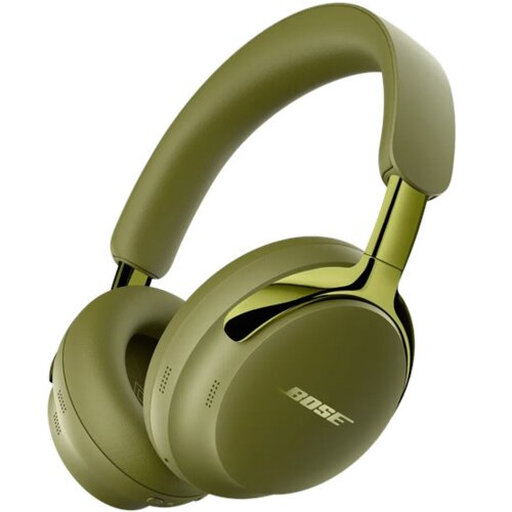
Bose QuietComfort Ultra Headphones (2nd Gen), Olive Green
Active noise cancellation is listed for listening in noisy surroundings.
The product information also mentions a detachable cable connection. Check the connection type and whether it’s suitable for your audio output.
View at Joybuy
 No image available
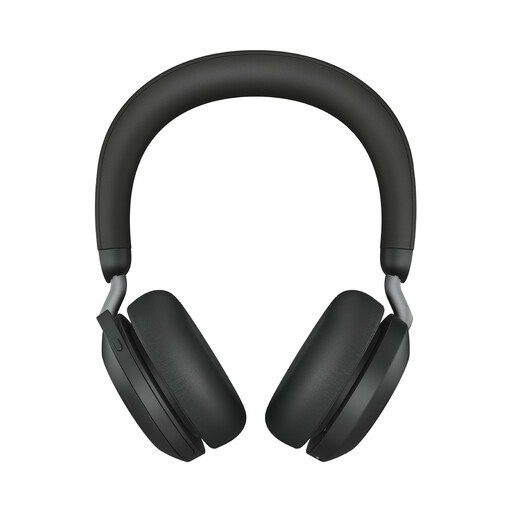
Jabra Evolve2 75, USB-A MS Teams, black
The description mentions adjustable active noise cancellation for use in noisy surroundings.
The product name specifies USB-A and MS Teams. Check that this connection is suitable for your mixing setup.
View at Joybuy
 No image available
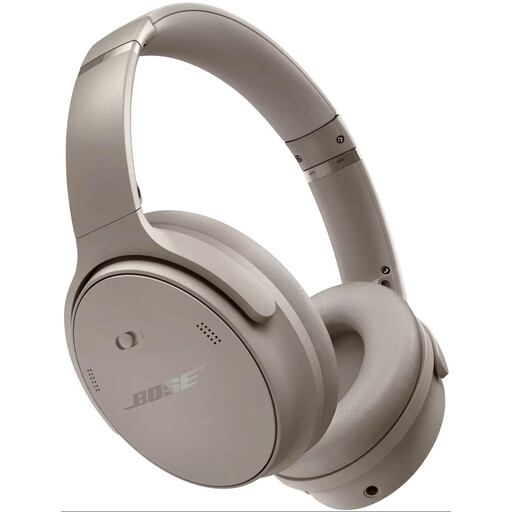
Bose QuietComfort Headphones, Sandstone
The product information mentions Bluetooth and active noise cancellation for listening in noisy surroundings.
Transparency mode is also listed. Check which wired connection options are compatible with your audio setup.
View at Joybuy
 No image available
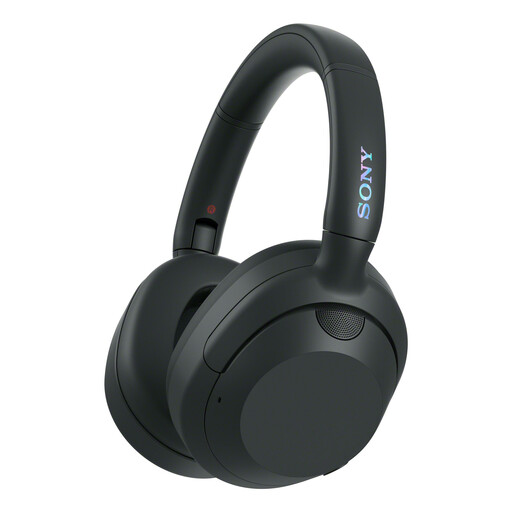
Sony WH-ULT900N ULT Wear Over-Ear Headphones, black
The description mentions active noise cancellation for listening in noisy surroundings.
A 3.5 mm audio connection is listed. Check that the cable option works with your laptop or audio interface.
View at Joybuy
Frequently asked questions
How can I check a film score mix that I make mainly on headphones?
Compare the score with familiar reference tracks, and listen to the finished mix on another playback system too. Sonarworks explains that the acoustic interaction between channels you hear with speakers is different on headphones, so width and reverb can sound different.
Can I connect any studio headphones directly to my laptop or audio interface?
First, check the exact version and the output on your device. For example, the beyerdynamic DT 770 PRO comes in 32, 80 and 250 ohm versions; check the plug, any adapter you may need and the cable length too. The impedance figure alone doesn’t confirm whether your specific setup is suitable.
How should I maintain headphones for long mixing sessions?
Check whether the ear pads, headband and cable are replaceable on the exact model, and follow the manufacturer’s care instructions. beyerdynamic describes replacement parts for PRO X headphones; that doesn’t mean parts are interchangeable with other models.
What happens if headphones bought in the Netherlands develop a fault?
For a consumer purchase, the retailer is responsible if a product doesn’t meet what you could reasonably expect under normal use. ACM ConsuWijzer states that the statutory guarantee has no fixed duration and applies alongside any commercial guarantee.
How can I listen more safely during long scoring sessions?
Keep the volume low and take breaks. The World Health Organization gives the example that listening time falls to four hours a week at an average sound level of 90 dB; this isn’t a measurement of the sound level of your headphones.


