
Mix listener in a quiet room
You mainly assess balance and stereo positioning, and sound leakage isn’t an issue.


If you work in a quiet room and mainly assess stereo positioning, an open-back model is an obvious choice. In a shared space or when recording, a closed-back model is more practical. That distinction alone doesn’t determine which headphones will give you the most reliable impression of how a mix will translate. Also consider the fit, cable and connection, and check your mix on another playback system.
You mainly assess balance and stereo positioning, and sound leakage isn’t an issue.
You want to check a mix while others are nearby, or use the same headphones for recording.
You want the cables and connections to work well with your setup, and you also consider comfort during longer sessions.
A good fit when: you mainly check mixes in a quiet room; beyerdynamic, Sennheiser and AKG describe models designed for critical listening or mixing.
Trade-off: an open-back design offers less isolation from surrounding noise and lets sound escape.
A good fit when: you want to disturb others less, block out surrounding noise or use the headphones for recording too.
Trade-off: according to beyerdynamic, the closed-back DT 700 PRO X offers more isolation but a more compact soundstage than the open-back DT 900 PRO X.
| What to consider | What to look for | Who it matters to |
|---|---|---|
| Stereo image and mix translation | Compare with familiar reference tracks and check a nearly finished mix on another playback system too. | If I’m mainly assessing balance and stereo positioning in a quiet room, I want to know how my mix sounds beyond my headphones. Around 33% of consumers prioritise stereo image and mix translation. |
| Isolation and sound leakage | Decide whether you’ll only be mixing or recording as well, and how much background noise you want to block out. | If I’m working in a shared space or recording too, I want to consider how much sound reaches the people around me. Around 27% of consumers prioritise isolation and low sound leakage. |
| Cable and connection | Check the cable length, plug size and included accessories against the connections on your computer or audio interface. | If I’m working at a small desk, I don’t want unnecessary cable clutter on my workspace, and the plug needs to fit my audio source. Around 20% of consumers prioritise cable and connection. |
| Comfort during long sessions | Try the fit for yourself and check whether the ear pads are replaceable; specifications can’t predict how a model will fit your head. | If I’m doing long listening sessions, I want my headphones to stay comfortable. Around 20% of consumers give comfort top priority. |
An open-back design offers little isolation and lets sound escape. This can be inconvenient in a shared space or next to an open microphone.
Choose based on your workspace and recording needs first, then compare specific models.
A specification alone doesn’t tell you how your assessment of bass and stereo width will translate to other playback systems.
Use familiar reference tracks and check the mix elsewhere before making final decisions about the balance.
Cable length and included accessories can vary between versions. For example, Sennheiser lists an extra cable and case with the HD 490 PRO Plus compared with the standard version.
Check the full model name, connection and box contents before ordering.
The DT 900 PRO X is open-back, while the DT 700 PRO X is closed-back. beyerdynamic positions the two models for different mix-checking and recording situations.
The closed-back ATH-M50x may suit you if you’re looking for headphones that can also be used for monitoring or folded away for storage.
Sennheiser positions the open-back HD 490 PRO for production, mixing and mastering, with particular attention to the ear pads.
The open-back K702 is a wired option that AKG describes as suitable for listening, mixing and mastering in a quiet room.
These Joybuy picks are general-purpose music-listening headphones. For mix checking, also compare the cable, connection and fit with your workspace and audio source.
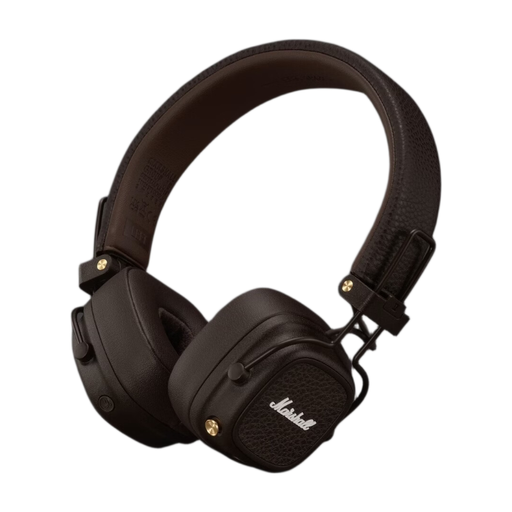 No image available
May suit you if you also want to listen to music wirelessly at your desk; check separately whether the connection options work with your mixing setup.
Bluetooth 5.3, multipoint, an included 3.5mm audio cable and a foldable design.
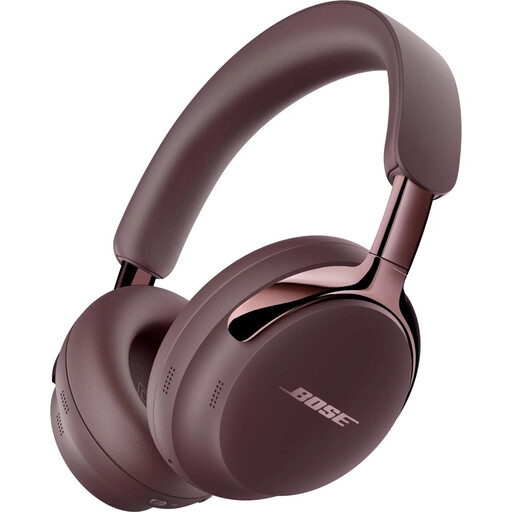 No image available
May suit you if you want to listen wirelessly or wired at your desk; check that the connections match your audio source.
Bluetooth 5.4, active noise cancellation and a detachable cable with USB-C and 3.5mm connections.
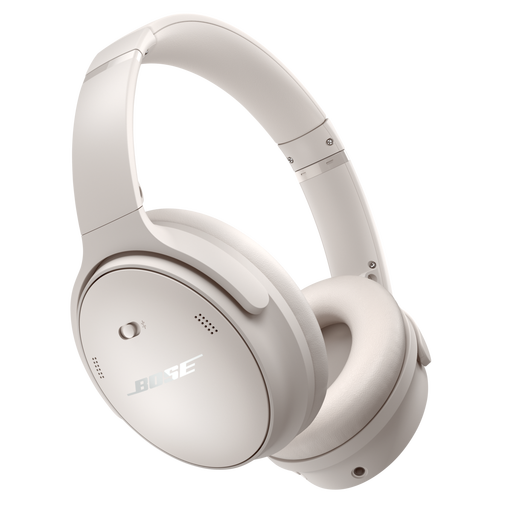 No image available
May suit you if you want to listen to music somewhere with background noise; decide for yourself whether the model works for your mixing workflow.
Bluetooth, active noise cancellation, a 3.5mm connection and controls on the earcup. Weight: 240 g.
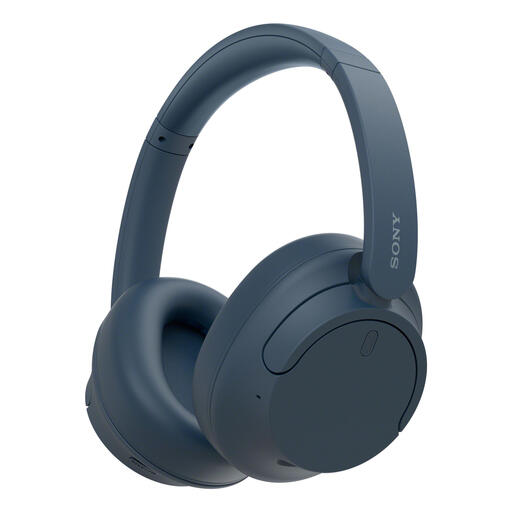 No image available
May suit you if you want to listen wirelessly at your desk but also want the option of using an audio cable; check the connection for your audio source.
Active noise cancellation, multipoint and an included 1.5 m audio cable. Weight: 192 g.
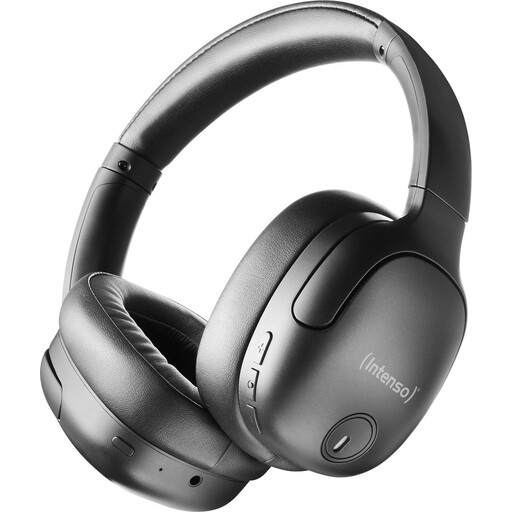 No image available
May suit you if you want to listen wirelessly but also need a wired option; check that the included cable is long enough for your workspace.
Hybrid active noise cancellation, Bluetooth 5.3 and passive listening via 3.5 mm. Included 1.5 m audio cable; foldable design. Weight: 248 g.
By all means use headphones as an important tool, but also compare your mix with familiar music and check it on another playback system. Sonarworks explains that headphones present stereo channels differently from loudspeakers, so be cautious about drawing conclusions on stereo width and bass.
Check your interface’s plug size and what’s included. beyerdynamic lists a 3.5mm plug with a 6.35mm adapter for the DT 900 PRO X; Audio-Technica also lists a 6.3mm adapter for the ATH-M50x.
The World Health Organization recommends keeping the volume low, limiting listening time and taking regular breaks. The organisation gives an average of 80 dB for up to 40 hours a week as an example of safe listening; this doesn’t guarantee a safe volume setting on your equipment.
When you buy online from a business, you generally have 14 days after receiving your order to change your mind, according to ACM ConsuWijzer. The seller is also responsible for the statutory guarantee if a product doesn’t do what you could reasonably expect when used normally. Check the returns information and who the seller is before buying.