What should you look for when choosing?
Start with the noise in your workspace and the role of any microphone. Then consider comfort, connectivity and how you want to assess effects.
| What to consider |
What should you look for? |
Who should prioritise this? |
| Background noise and sound leakage |
Compare open-back and closed-back designs, the seal around your ears and any sound a microphone might pick up. |
If traffic or other people at home mask subtle effects, I want better isolation; around 36% of consumers put isolation first. |
| Assessing spatial sound |
Listen to familiar effects of your own in a quiet room and check whether an open-back design suits your workspace. |
In a quiet room, I want to assess stereo positioning and spaciousness critically; around 29% of consumers see this as their top priority. |
| Comfort during long sessions |
Try the fit during a realistic listening session and check whether the ear pads are replaceable for the exact version. |
When I’m editing for a long time, I want my headphones to stay comfortable and be easy to maintain; around 21% of consumers put wearing comfort first. |
| Connection and version |
Check your source’s output and plug, the impedance of the exact version and which cables are included. |
For everyday use, I want a version that works with my source and setup; around 14% of consumers prioritise compatibility and maintenance. |
Joybuy products
These Joybuy picks are over-ear headphones with features for listening in environments with background noise. Check that the connection options and any audio processing suit your source and critical listening task.
 No image available
Bose QuietComfort Ultra Bluetooth Headphones – Black
These over-ear headphones may suit listening in a noisy environment if you’re looking for a closed-back design.
The product description mentions noise cancelling and an included audio cable; check which listening mode you’re using when assessing effects critically.
View at Joybuy
 No image available
Sennheiser MOMENTUM 4 Wireless – Black
The stated wired listening option may be useful if you don’t always want to listen wirelessly.
The product description mentions adaptive noise cancelling, passive listening with the included 3.5mm cable and a battery life of 60u. Check that the listening mode you use suits the task you’re assessing.
View at Joybuy
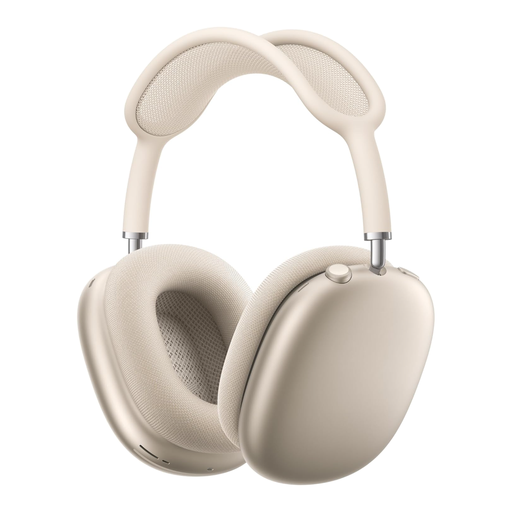 No image available
AirPods Max 2 – Starlight
The listed spatial audio features may be relevant if you also want to listen to spatial audio playback.
The product description mentions Personalised Spatial Audio with dynamic head tracking, as well as active noise cancelling and features for adjusting or letting in background noise. Check which features are active during critical assessment.
View at Joybuy
Frequently asked questions
Should I choose open-back or closed-back headphones because of a bright window?
No. Base your acoustic choice on audible background noise and any sound leakage that might reach a microphone. In a quiet room, you could consider an open-back model for assessing spatial sound; if noise is distracting, a closed-back model is the more obvious choice.
How do I connect studio headphones and keep them in good working order?
Before choosing, check the connection on your playback source, the plug or included adapter, and the full model version. beyerdynamic, for example, offers the DT 770 PRO in different impedance versions; Audio-Technica describes the ATH-M40x as having replaceable ear pads.
How can I reduce the risk of hearing damage when assessing loud effects?
Start at a low volume and limit both the sound level and listening time. The World Health Organization gives 80 dB for a maximum of 40 hours per week as an example of safe listening and recommends taking breaks. This is health advice, not a measurement of your headphones or a legal limit for use in the Netherlands.
What returns and warranty rights apply to an online consumer purchase in the Netherlands?
For an online purchase from a trader, you generally have a statutory cooling-off period of up to 14 days after delivery, subject to exceptions that the seller must explain in advance. According to ACM ConsuWijzer, you also have a statutory right to a product that is fit for purpose. If there’s a fault, contact the seller; there is no fixed general statutory warranty period, according to the Government of the Netherlands.


