Who is this for?

Editor in a shared space

You edit rehearsal recordings with background noise around you, or wear headphones while a microphone is on. Closed-back headphones may be a good choice here, although the actual level of isolation also depends on the fit. The manufacturer pages from beyerdynamic, Audio-Technica and AKG describe closed-back models in these product ranges.

Mixer in a quiet room

You listen to a recording’s balance in a quiet space and don’t need to protect a microphone or housemate from sound leakage. In that case, open-back headphones are an option. Sennheiser offers the HD 490 PRO for mixing and mastering; claims about spaciousness and accuracy come from the manufacturer.

Editor with limited desk space

You want to keep cables manageable on your small desk and put your headphones away when you’re finished. So compare the cables supplied and the design. Audio-Technica and AKG list multiple cables for the models in question, and both brands also describe foldable models.

What should you look for?

Closed-back studio headphones

Choose these when: there’s background noise or you’re working with a microphone at the same time.

The trade-off: isolation partly depends on the fit; a closed-back design doesn’t guarantee an accurate mix.

Open-back studio headphones

Choose these when: you’re editing in a quiet room and sound leakage isn’t a concern.

The trade-off: open-back models offer less isolation and may leak sound into a live microphone.

What to consider What should you check? Who should prioritise this?
Background noise and sound leakage Compare closed-back and open-back models, and check that the ear pads fit snugly. If I want to reduce the sound around me or work with a live microphone, I prioritise isolation. Around 29% of consumers put isolation first.
Critical listening Evaluate the recording in your own listening environment; an open-back or closed-back design doesn’t prove accuracy on its own. When assessing detail and balance, I don’t want to rely solely on a manufacturer’s claim. Around 29% of consumers give critical listening top priority.
Cable and storage Check the cable length, plug or adapter, and whether the cable is detachable; compare the design with your available storage space. At a small desk, I don’t want an unnecessary loop of cable, and I need to be able to put my headphones away when I’m finished. Around 21% of consumers prioritise desk organisation and storage.
Comfort and maintenance If possible, try the fit with your own glasses on and check which parts can be replaced. During longer sessions, I want to know whether the headphones feel comfortable to wear and how to replace worn pads. Around 21% of consumers give comfort and maintenance top priority.

Common mistakes

  • Choosing open-back headphones when working with a microphone

    Open-back headphones can leak sound into the microphone and provide less isolation from background noise.

    If you’re using a live microphone, a suitable pair of closed-back headphones is usually a better choice. Save open-back headphones for listening when sound leakage isn’t a concern.

  • Assuming different impedance versions are interchangeable

    According to beyerdynamic, the DT 770 PRO is available in 32, 80 and 250 ohm versions, which the manufacturer recommends for different types of playback device.

    Check the full model specification and the headphone output on your recorder or interface before ordering.

  • Forgetting about the cable when you have a small desk

    Cable lengths vary by model and may not work well with the layout of your equipment.

    Measure where your connection is and check which cables and adapters come with the exact version.

Brands to consider

beyerdynamic

The closed-back DT 770 PRO is an option if isolation is your priority; choose the version that suits your playback device.

  • The manufacturer lists 32, 80 and 250 ohm versions, as well as replaceable ear pads. According to beyerdynamic, the 80-ohm version shown has a wired 3.5mm connection with a 6.35mm adapter.
  • Claims about accuracy and isolation come from the manufacturer. Check for yourself that your device can drive the headphones and that they fit well.

Audio-Technica

The closed-back ATH-M50x is an option if you want to choose between the supplied cable lengths at your desk and are looking for a foldable design.

  • The European manufacturer page lists three interchangeable cables, an adapter, swivelling ear cups and a foldable design.
  • Claims about sound detail, isolation and comfort aren’t an independent assessment of your workspace or how the headphones fit you.

Sennheiser

The open-back HD 490 PRO is an option for editing in a quiet room where sound leakage isn’t a concern.

  • Sennheiser lists two types of ear pad, a detachable cable and replaceable pads.
  • The manufacturer’s claims about spaciousness and accuracy aren’t an independent comparison with closed-back models. An open-back design is less suitable when using a live microphone.

AKG

The closed-back, foldable K371 is an option if you want to combine isolation with several cables included in the box.

  • The Dutch manufacturer page lists swivelling ear cups, three detachable cables and replaceable ear pads.
  • Descriptions of neutrality, isolation and long-lasting comfort are AKG claims, not an independent assessment of your fit or recording.

Joybuy products

The Joybuy options below are wireless over-ear headphones with listed features relating to storage or background noise. Consider for yourself whether this type of model suits your need for a consistent listening reference when editing.
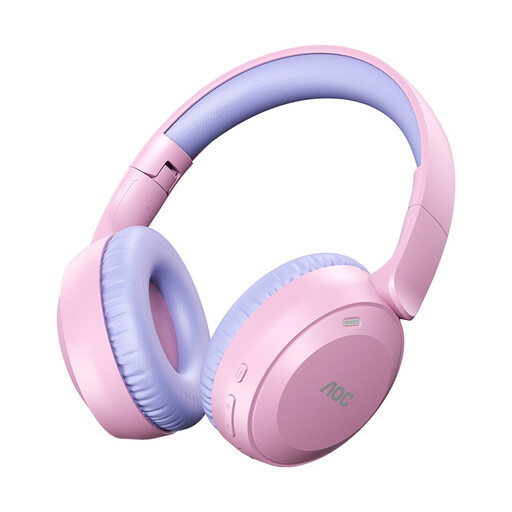
AOC ACH2611 wireless over-ear headphones

AOC ACH2611 Bluetooth 6.0 Over-Ear

The foldable design may suit a desk where you want to put your headphones away after use.

According to the product information, the model weighs 182 g and has a 40mm driver and noise cancellation. The product title lists Bluetooth 6.0 and up to 75 hours of playback.

View at Joybuy
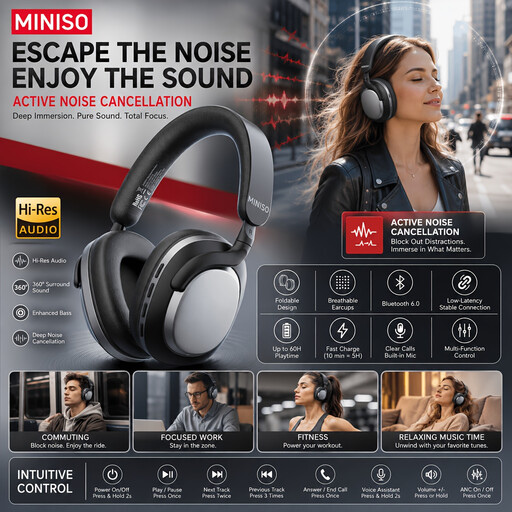
MINISO MG210 wireless noise-cancelling over-ear headphones, black

MINISO MG210 black, wireless

The over-ear design may suit you if you want to reduce background noise; check that the model is suitable for your listening needs.

The product title lists noise cancellation and a 24-hour battery life.

View at Joybuy

Bose QuietComfort Ultra Bluetooth headphones, black

Bose QuietComfort Ultra black

The closed-back design and supplied audio cable may be useful if you want to listen via a wired connection and reduce outside noise.

The product information lists active noise cancellation and a supplied audio cable.

View at Joybuy
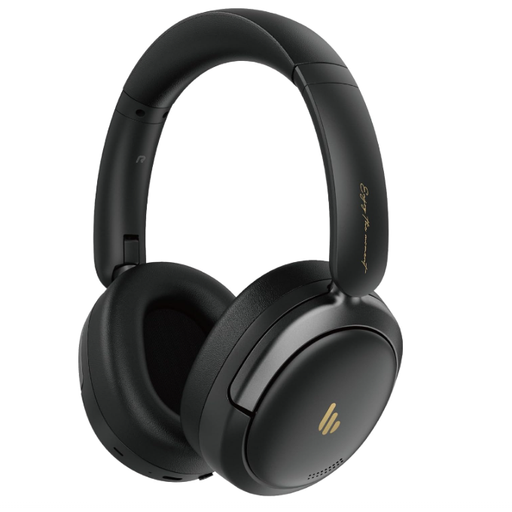
Edifier Atom Max foldable over-ear headset, black

Edifier Atom Max black, foldable

The foldable design may come in handy if you want to store your headphones compactly after editing.

The product information lists hybrid active noise cancellation. The product title lists Bluetooth 5.4 and up to 45 hours of playback.

View at Joybuy
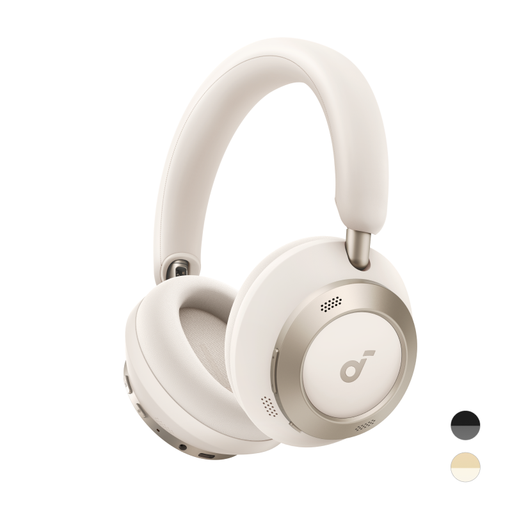
Soundcore by Anker Space One Pro wireless headphones

Soundcore by Anker Space One Pro

The product information lists a foldable design and adaptive active noise cancellation for listening in noisy surroundings.

The product title lists LDAC, 6 microphones and up to 60 hours of battery life.

View at Joybuy

Frequently asked questions

Can I use open-back headphones while recording vocals or instruments?

When a microphone is live, closed-back headphones are generally a better fit because, according to beyerdynamic, they let less sound leak into the microphone than open-back models. Open-back headphones remain an option for editing in a quiet room where leakage isn’t a concern.

What should I check before connecting the headphones to my recorder or audio interface?

Check the headphone output on your device, whether you need a 3.5mm or 6.35mm plug, and whether there’s enough room for the cable. According to beyerdynamic, the 80-ohm version of the DT 770 PRO has a 3.5mm plug and 6.35mm adapter; that doesn’t tell you how loud it will play on every device.

How can I reduce the strain on my hearing during long editing sessions?

Keep the volume low and take breaks. In its guidance published on 6 March 2026, the World Health Organization gave a maximum of 40 hours per week at an average of 80 dB as an example; at higher levels, safe listening time decreases. This is health guidance, not a legal product limit or a guarantee that a particular volume setting on your device will produce 80 dB.

What are my rights when buying online in the Netherlands if the fit isn’t right or the product is faulty?

For online purchases from a business, the Dutch government says you usually have 14 days to change your mind; check the terms that apply to your purchase. You’re also entitled to a product that works as it should. The Dutch government states that the Netherlands has no fixed statutory guarantee period; if there’s a fault, contact the seller.
