What should you look for when buying?
At a shared workspace, start with the seal and fit. Then assess the sound using the same recordings, and consider comfort and connectivity too.
| What to consider |
What should you look for? |
Who should consider this? |
| Background noise and sound leakage |
Check how the headphones fit around your ears, and separately assess what you can hear and what your colleagues might hear. |
When I listen at a shared desk, I want to follow quiet passages without disturbing my colleagues. Around 40% of consumers put isolation first. |
| Sound and instrument positioning |
Compare the same tracks using the same source at a similar, moderate volume. |
I want to assess differences in tonal balance and the positioning of instruments. Sound and positioning come first for around 30% of consumers. |
| Comfort during long sessions |
Try the fit for yourself where possible, and check the ear pads and whether they can be replaced for the exact model. |
When listening repeatedly, I want headphones that remain comfortable to wear. For around 20% of consumers, wearing comfort is the top priority. |
| Connectivity and maintenance |
Check the connector on your playback device, the cable and adapter included, and which replacement parts are available. |
I want to connect my existing playback device and know which parts I can replace later. Around 10% of consumers put connectivity and maintenance first. |
Joybuy product picks
These Joybuy picks are wireless over-ear headphones for anyone looking to reduce office noise. They aren't a substitute for comparing wired studio headphones; check the connections and listening modes for each version.
 No image available
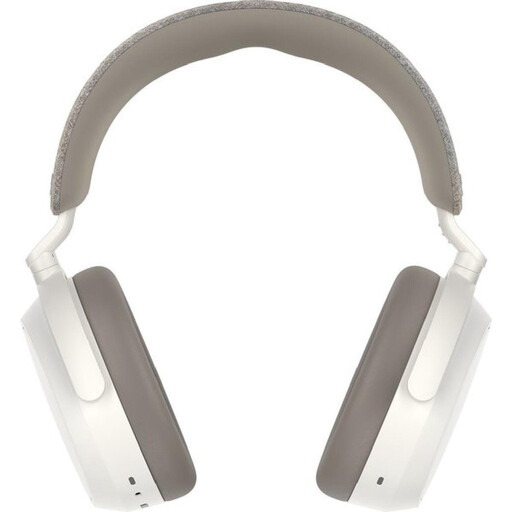
Sennheiser MOMENTUM 4 Wireless, white
A wireless over-ear option for anyone looking to reduce office noise. Assess the sound using the listening mode you plan to use for comparisons too.
The product title lists noise cancelling, a 60-hour battery life and four microphones.
View at Joybuy
 No image available
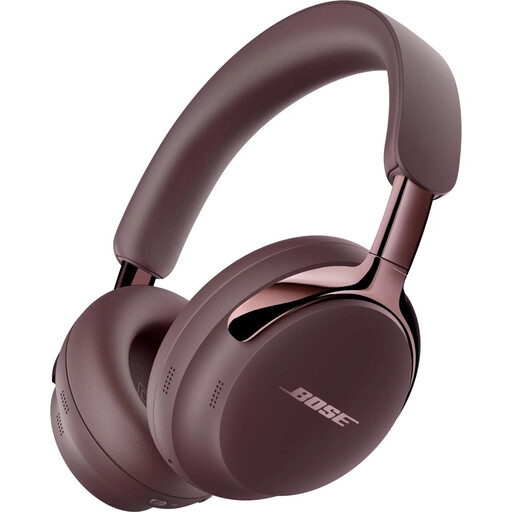
Bose QuietComfort Ultra Headphones, 2nd Gen, Cherry Chocolate
A wireless over-ear option for anyone looking to reduce background noise. Check the listening modes and connection options for the way you compare recordings.
A charger is not included with this version.
View at Joybuy
 No image available
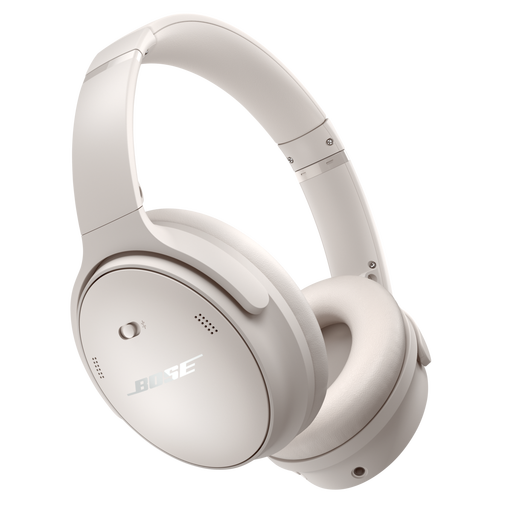
Bose QuietComfort Wireless, white
These wireless Bluetooth headphones may suit you if you want to reduce office noise while listening. Compare the sound using your usual tracks.
The product title lists noise cancelling.
View at Joybuy
 No image available
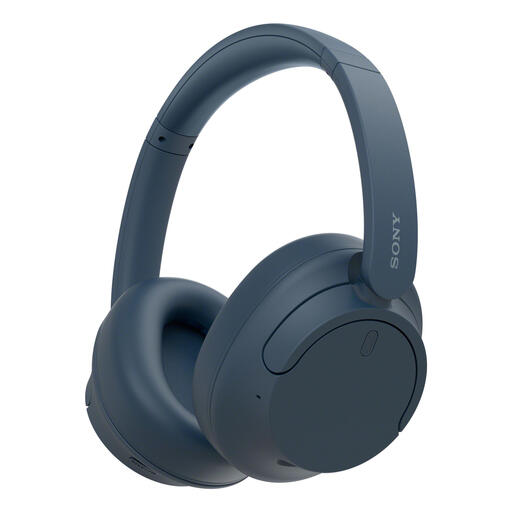
Sony WH-CH720N, blue
A wireless Bluetooth over-ear option for anyone looking to reduce background noise. When comparing orchestral recordings, consider how they sound in your chosen listening mode too.
The product title lists noise cancelling, up to 35 hours of battery life and quick charging.
View at Joybuy
 No image available
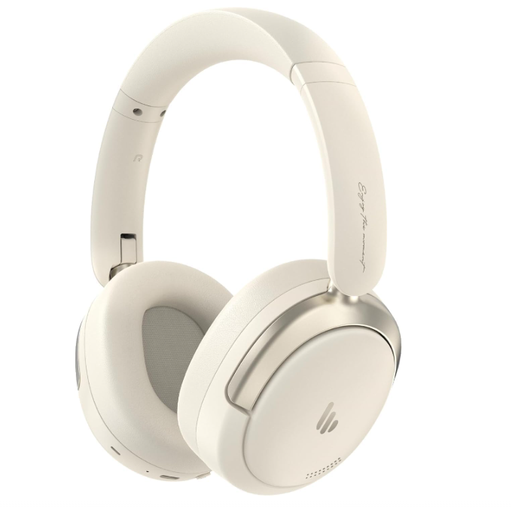
Edifier Atom Max, white
An over-ear option for anyone who wants to listen wirelessly and reduce office noise. Compare the sound using the same orchestral tracks.
The product title lists hybrid active noise cancelling, Bluetooth 5.4, Hi-Res Audio and 45 hours of playback.
View at Joybuy
Frequently asked questions
Are open-back headphones suitable for a shared office desk?
Not if you need isolation and minimal sound leakage. It’s better to save an open-back model for a quiet room, where you can compare the same recording with a closed-back model if you like.
How can I check whether wired studio headphones will work with my playback device?
Compare the output on your playback device with the plug and included adapter supplied with the exact version. For example, Sennheiser lists a cable with a 3.5 mm plug and an adapter to 6.3 mm for the HD 620S. Check the details for each model.
What should I look for in headphones I wear often?
Try the fit for yourself and check which ear pads and cables can be replaced for the exact model. Follow the manufacturer's care instructions.
What are your rights when buying online in the Netherlands?
For eligible distance purchases by consumers, the Dutch Government states that you have a 14-day cooling-off period. Your statutory rights if a product is faulty are separate from a voluntary manufacturer's warranty; there is no single fixed statutory warranty period for products.
Should I turn up the volume to hear quiet orchestral passages over office noise?
Don't automatically turn up the volume. First check whether well-fitting, isolating headphones reduce the background noise enough. The World Health Organization gives 40 hours a week at 80 dB and four hours at 90 dB as examples of maximum exposure. These are general listening guidelines, not measurements of the headphones mentioned here.


