
Harmony singer in a shared office
You want to follow your vocal line while your colleagues work. A closed-back model is a sensible place to start if you want to reduce sound leakage.


If you want to listen to a harmony line repeatedly or record yourself, start with a well-fitting, closed-back wired studio model. It can help reduce sound leakage, but it won’t make a busy office quiet. If you’ll mainly be listening to recordings rather than recording yourself, compare a closed-back ANC model too. Whichever you choose, check the fit, connection and listening volume.
You want to follow your vocal line while your colleagues work. A closed-back model is a sensible place to start if you want to reduce sound leakage.
You replay short passages to pick out your part. So compare the tuning and fit of specific models, rather than relying on the ‘studio’ label alone.
You want to hear both a backing track and your own voice. Closed-back headphones can help reduce leakage; direct monitoring also depends on your recording equipment.
Choose this option: if you want to listen to vocal details repeatedly or record with a microphone.
Bear in mind: a closed-back design doesn’t guarantee that conversations will disappear. Also check the fit and which plug or adapter you need.
Compare this option: if you’ll mainly be listening to recordings and concentrating at the office is important to you.
Bear in mind: ANC doesn’t guarantee that your harmony line will be reproduced accurately. The Dutch Consumers’ Association describes noise cancelling as particularly effective against low-frequency hum; don’t assume voices will be reduced to the same extent.
Choose this option: mainly for a quiet place where sound leaking in or out isn’t a problem.
Bear in mind: Shure explains that open-back earcups let sound through. In a shared office, this may not suit your listening needs or your wish to avoid disturbing others.
| What to consider | What should you check? | Who is this important to? |
|---|---|---|
| Background noise and sound leakage | Check that the earcups are closed-back, fit well and let little sound out at a normal listening volume. | If I want to hear my harmony line in a shared office without needlessly disturbing colleagues, I’ll focus on how well the headphones seal. Around 33% of consumers say sound isolation is their top priority. |
| Picking out a harmony line | If possible, listen to the same passage on different models and compare how the vocal details come across. | If I replay short vocal passages, I want to be able to follow the notes in my part clearly. Around 27% of consumers give picking out vocal details their top priority. |
| Fit and listening volume | Look out for pressure around your ears and keep the volume low. The WHO recommends well-fitting headphones to reduce the temptation to turn them up in noisy environments. | If I listen to passages repeatedly, I want a comfortable fit that lasts without having to turn up the volume. Around 20% of consumers put wearing comfort first. |
| Connection and monitoring | Check your device’s output and plug, and whether you need an adapter. When recording, direct monitoring depends on your audio interface. | If I also want to record myself, I need to know whether my headphones will work with my equipment. Around 13% of consumers give connection or monitoring top priority. |
| Features and maintenance | Check which features you need and whether parts such as cables or ear cushions are available for the exact model. | If I want to avoid choosing features I won’t use and may need replacement parts later, I’ll check the model and compatibility carefully. Around 7% of consumers say maintenance or the features they need is their main consideration. |
The Dutch Consumers’ Association says ANC is particularly good at tackling low-frequency hum. The label alone won’t tell you how much of the conversation in your own workplace you’ll still hear.
Compare ANC with the passive isolation of a closed-back model in an environment similar to your office.
According to Shure, open-back earcups let sound in and out. This can be inconvenient in a shared space or when recording with a microphone.
Consider an open-back model mainly for a quiet listening space where sound leakage isn’t a problem.
According to Focusrite, direct monitoring is a feature of supported interfaces, not something headphones provide automatically.
Check the output, plug and monitoring function of the equipment you actually use.
Depending on your equipment, you may need a suitable adapter or additional recording equipment.
The closed-back ATH-M30x, ATH-M40x and ATH-M50x are separate models with different features.
The closed-back DT 770 PRO 80 ohm is a wired studio model. Take care not to confuse this version with other DT 770 variants.
The closed-back K72 is worth comparing if wearing comfort and an included jack adapter matter to you.
The wired MDR-7506 and the ANC-equipped WH-CH720N are different models for different listening needs.
The closed-back SRH840A is worth comparing if an over-ear design and detachable cable matter to you.
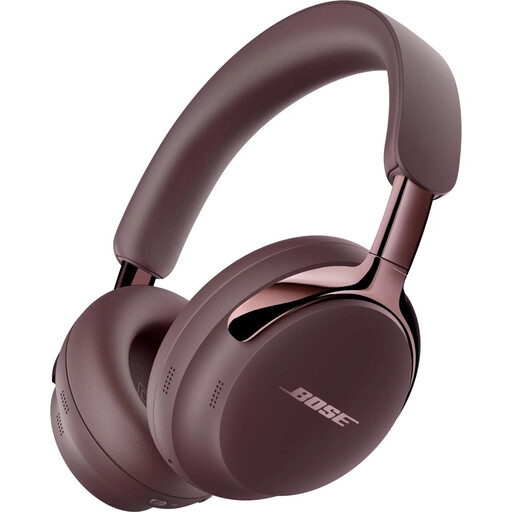
These Joybuy picks are closed-back or over-ear headphones with active noise cancellation, worth comparing if you’ll mainly be listening in a busy office. They aren’t automatically studio headphones for accurately assessing a harmony line, so check that each model’s connection suits your equipment.
 No image available
The listed active noise cancellation makes this model worth comparing for listening in a noisy environment.
The product information lists a detachable cable with USB-C and 3.5 mm connections, and says that no charger is included. It also mentions magnets and advises anyone with a medical implant to consult a doctor.
 No image available
This closed-back over-ear model is worth comparing if you want to use ANC while listening at the office.
The product information lists wired audio via USB-C and 3.5 mm cables.
 No image available
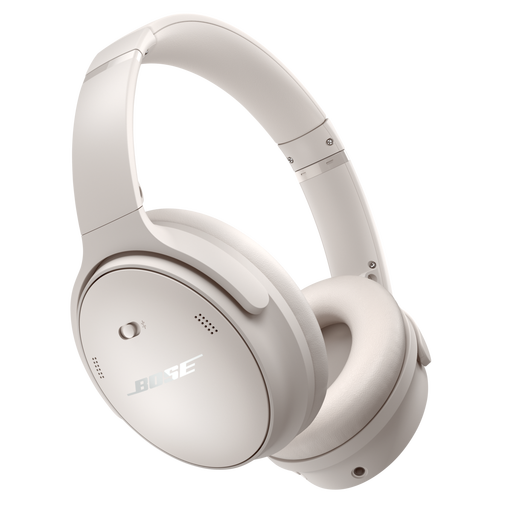
The listed active noise cancellation and closed-back over-ear design make this model worth comparing for listening in a busy office.
The product information lists 3.5 mm and 2.5 mm connections; check which cable and connection suit your equipment.
 No image available
This wireless ANC model is worth comparing if you’ll mainly be listening at the office and switching between devices.
The product information lists simultaneous connection to two devices and says a close fit is needed for optimal noise cancelling.
 No image available
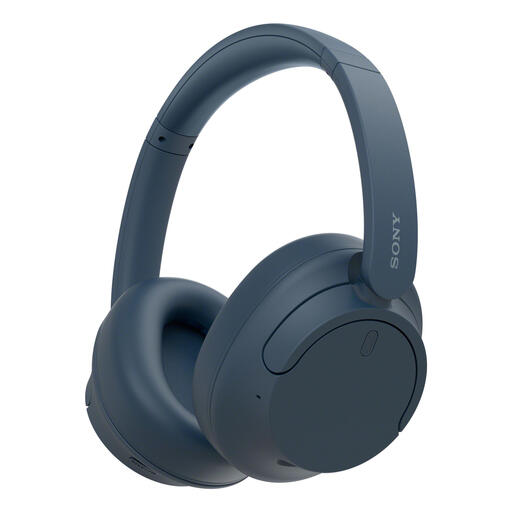
This over-ear model is worth comparing if you want to adjust ANC while listening and use multiple devices.
The product information lists multipoint connectivity and up to 35 hours of battery life with ANC switched on.
Yes, provided your recording equipment and connection are suitable. Shure says a closed-back model can help keep playback inside the earcups. If you hear yourself with a delay, check whether your audio interface supports direct monitoring. The headphones alone won’t fix latency in the recording chain.
First, check that your headphones fit well and keep the volume low. The WHO recommends well-fitting or noise-cancelling headphones to reduce the need to turn them up in noisy environments. Listening volume, duration and frequency of exposure all matter.
Before buying, check whether parts are available for the exact model. Audio-Technica lists detachable cables for the ATH-M40x; beyerdynamic shows separate ear cushions in its European parts range. Don’t assume parts are interchangeable between models.
For most online purchases from a business, consumers have a 14-day cooling-off period, subject to exceptions explained by the Dutch government. Faulty products are covered by the legal guarantee; the Netherlands has no fixed statutory guarantee period, and the seller must provide an appropriate solution.