If you mainly mix in a quiet room without an open microphone, compare a wired, open-back pair of studio headphones. If you also record vocals or guitar, or background noise bothers you, start with a closed-back model. The seal also depends on the fit, and headphones can present stereo width differently from speakers. Check the connection with your own listening source, and listen to your mix on another playback system too.
Which model is right for you?
Mixing in a quiet room
If you mainly mix without an open microphone, you could compare an open-back model for assessing vocals, acoustic instruments and positioning. The manufacturer describes the DT 900 PRO X and HD 490 PRO, among others, as open-back models.
Recording and mixing at home
If you also record with a microphone, or household noise is audible during quiet passages, start with a closed-back model. beyerdynamic, Audio-Technica and AKG describe a range of closed-back models for this purpose. The fit also affects how much background noise is blocked out.
Long mixing sessions
If you work on the same demo for long stretches, consider the fit and check whether parts such as the ear pads are replaceable for the exact model. Sennheiser and beyerdynamic list replaceable parts for the models mentioned; that doesn’t tell you which headphones will feel comfortable to wear.
What should you look for when buying?
First decide whether you’ll also use the headphones while recording with a microphone. Then compare the fit and connection, and consider how you can check your mix on other playback equipment.
| What to consider |
What should you check? |
Who is this important for? |
| Balance and stereo positioning |
Compare familiar reference recordings and listen to a test mix on another playback system too. Headphones present stereo width differently from speakers. |
If you mainly want to assess vocals, guitar and positioning in a quiet room, make this a priority. Around 33% of consumers prioritise balance and stereo positioning. |
| Isolation while recording |
Check that the ear pads fit around your ears, and test the model with your own recording and listening setup. |
If you record vocals or guitar, or want to keep household noise out of your monitoring, isolation should be your first concern. This applies to around 27% of consumers. |
| Fit for long sessions |
If possible, try the exact model during a longer listening session and check whether suitable replacement parts are available. |
If you spend a long time working on the same demo, you’ll want to know whether the headphones stay comfortable and whether parts can be replaced. Around 20% of consumers prioritise fit and comfort. |
| Connection and cable |
Check the plug, adaptor and cable length against your interface or computer. Also check that the output provides a usable volume level. |
If you already have a dedicated listening output, or are considering cable use and maintenance, check the connection on the exact model first. Around 20% of consumers make this their main buying concern. |
Common pitfalls
-
Choosing an open-back model for monitoring while recording
An open-back design blocks out less background noise. That can be impractical when recording with an open microphone or if household sounds drown out what you’re monitoring.
Decide in advance whether you’ll also use the headphones while recording with a microphone. If so, compare a closed-back model first.
You may still need a closed-back pair of headphones for recording if you choose an open-back model.
-
Judging stereo positioning using headphones alone
Headphones present stereo width differently from speakers, so a panning decision made on one listening setup may sound different on another.
Compare familiar music and check your test mix on another playback system too.
-
Assuming closed-back headphones automatically seal well or feel comfortable
The seal and comfort also depend on the fit. A description such as ‘closed-back’ doesn’t tell you how the model will fit your head.
Try the exact model if possible, with your usual glasses on too, and check whether suitable replacement ear pads are available.
Brands to compare
beyerdynamic
The DT 900 PRO X is an open-back model for a quiet mixing space; the DT 700 PRO X is a closed-back alternative for recording monitoring or when isolation matters.
- beyerdynamic lists replaceable parts for both PRO X models.
- The stated differences in isolation and spatial presentation don’t guarantee a particular fit or sound for every listener.
Sennheiser
The open-back HD 490 PRO is designed for production and mixing in a space where isolation isn’t the main concern.
- Sennheiser lists two sets of ear pads and replaceable parts.
- An open-back design isn’t the obvious first choice if you need isolation while recording with a microphone. Claims about precision, comfort and fatigue come from the manufacturer.
Audio-Technica
The closed-back ATH-M40x is a wired model to compare if you’re looking for one pair of headphones for both recording and mixing.
- Audio-Technica lists two detachable cables and swivelling earcups.
- The description ‘flat-tuned’ is a manufacturer claim, not an independent measurement of how the headphones sound on your head.
AKG
The closed-back, foldable K371 has detachable cables and is designed for monitoring at a desk or on the move.
- AKG Netherlands lists replaceable ear pads and three detachable cables.
- Claims about neutrality, isolation and long-term comfort come from AKG; the fit also plays a part.
Sony
The closed-back, foldable MDR-7506 is a monitor model to compare if you want to listen to recordings as well as mix.
- Sony lists a 40 mm driver and a 3.5 mm to 6.3 mm adaptor in the box.
- Sony’s description of neutral, detailed monitoring isn’t an independent comparison; also check whether the cable works for your desk setup.
Headphones on Joybuy
When looking at these headphones on Joybuy, focus on each model’s connection and wired listening options. The product name alone won’t tell you whether a pair suits your mixing setup.
 No image available
Sennheiser MOMENTUM 4 Wireless, Black
If you want to listen over a wired connection without using the battery, the product description lists an included 3.5 mm audio cable and passive use.
The product name also mentions wireless noise cancellation, 60-hour battery life, fast charging and four microphones.
Joybuy
 No image available
Bose QuietComfort Ultra Bluetooth Headphones, Black
If you want to listen over a wired connection without using the battery, the product description lists a closed-back design and an audio cable for passive use.
The product name mentions Bluetooth and the colour Black.
Joybuy
 No image available
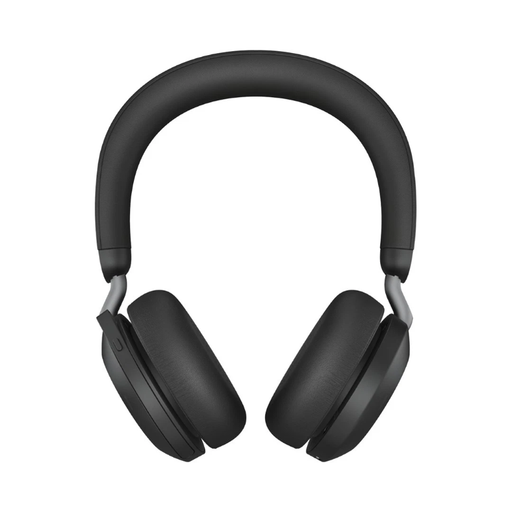
Jabra Evolve2 75
If you’re considering this model for a mixing setup, check that its connections work with the audio output you want to use.
The product information lists Bluetooth and an included USB-C cable.
Joybuy
 No image available
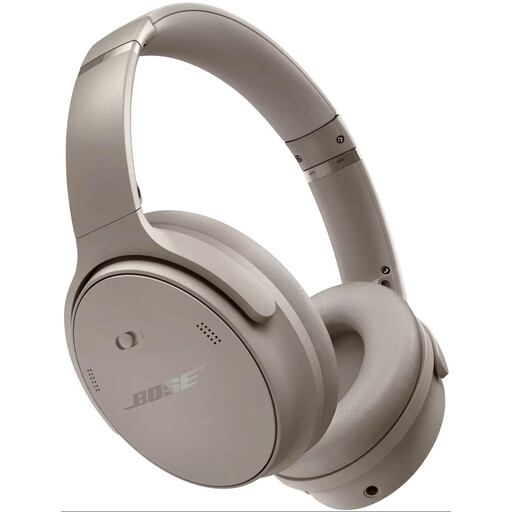
Bose QuietComfort Headphones, Sandstone
If you want to use the headphones with your mixing setup, check that the audio connection you need is available.
The product information lists Bluetooth and active noise cancellation.
Joybuy
 No image available
Bose QuietComfort Ultra Headphones, 2nd Gen, Black
If you want to listen over a wired connection, the product description lists a detachable cable with USB-C and 3.5 mm connections.
The product name lists Bluetooth 5.4. A suitable 1.8–2.5 W charger is needed for charging; PD fast charging is not supported.
Joybuy
Frequently asked questions
Can I record vocals and mix my folk demo with one pair of headphones?
Yes. A closed-back model is a sensible first option to compare if you also record with a microphone. beyerdynamic positions the DT 700 PRO X for recording monitoring and mixing; check the fit and listen to your final mix on another playback system too.
How do I check whether the headphones will work with my interface?
Compare the headphone output on your interface or computer with the plug, any adaptor and the cable length of the exact model. Audio-Technica lists two detachable cables for the ATH-M40x; beyerdynamic describes replaceable cables, ear pads and headbands for the PRO X models.
How can I avoid listening too loudly during long mixing sessions?
Keep the volume moderate and consider your total listening time. The World Health Organization (WHO) explains that safe listening time decreases as sound levels rise. Its example of 80 dB for up to 40 hours a week isn’t a measurement of the volume from your headphones.
What cooling-off period and warranty apply to an online purchase in the Netherlands?
For an online consumer purchase, you generally have up to 14 days after delivery to change your mind, subject to legal exceptions, according to ACM ConsuWijzer. You’re also entitled to a product that meets reasonable expectations when used normally. There’s no general fixed two-year term for the statutory guarantee; check the applicable terms with the seller.


