
Mixing next to a colleague
You’re mixing strings while someone nearby is working or recording. In this situation, limiting sound leakage and blocking out desk noise are important considerations.


At a shared desk where a colleague is working or recording nearby, start by choosing closed-back headphones, as sound leakage and background noise can be an issue. If sound leakage isn’t a problem, compare open-back models too, to assess the positioning and blend of the strings. Also check the fit and whether your headphone output provides enough usable volume.
You’re mixing strings while someone nearby is working or recording. In this situation, limiting sound leakage and blocking out desk noise are important considerations.
You can listen without disturbing anyone else and want to assess the positioning and blend of the parts.
You wear your headphones for extended periods, so you’ll want to consider the fit, replaceable parts and compatibility with your own equipment.
Choose this option: if a colleague is working nearby or sound from your headphones could reach a microphone. beyerdynamic positions the DT 700 PRO X for recording, monitoring and mixing; RØDE describes the NTH-100 as closed-back, with passive isolation.
Bear in mind: fit and actual isolation vary from person to person. If possible, assess the stereo positioning using another monitoring option too.
Choose this option: if sound leakage isn’t a problem and you want to assess the positioning of the strings. Sennheiser and Audio-Technica position their open-back models for mixing or critical listening.
Bear in mind: an open-back design isn’t suitable if someone at the same desk needs quiet. With the 470-ohm ATH-R70x, check whether your headphone output provides enough usable volume.
| What to consider | What to look for | Who is this important for? |
|---|---|---|
| Sound leakage and isolation | Check whether the model is closed-back and assess the fit; consider whether a colleague or microphone is nearby. | If I’m mixing next to someone who’s working or recording, I want to avoid my headphones disturbing them. Around 36% of consumers give limiting sound leakage and desk noise their highest priority. |
| Positioning of the strings | Consider an open-back model only if sound leakage is acceptable; where possible, compare the mix using another monitoring option too. | If I want to assess the relative positioning and balance of the strings, sound leakage mustn’t be a problem in my workspace. Around 29% of consumers put this first. |
| Comfort during long sessions | Compare the weight and ear pads of each model, and consider the fit; a comfort claim or low weight doesn’t guarantee a good fit. | If I’m mixing for long stretches, I want my headphones to remain comfortable. Around 21% of consumers say long-wear comfort is their top buying priority. |
| Connectivity and replaceable parts | Check the plug and any adapter, and compare impedance and sensitivity with your own output. Don’t rely on an impedance figure alone. | If I want to connect the headphones to my existing equipment and replace parts when needed, I check the connections and the specific model. Around 14% of consumers put this practical suitability at the top of their list. |
An open-back design may not be suitable if someone nearby needs quiet.
Before buying, decide whether sound leakage is acceptable at your desk. If not, compare closed-back models and their fit.
Individual specifications don’t prove how headphones will sound through your output or how suitable they’ll be for your mix.
Check the connection, sensitivity and achievable volume with your own equipment. Don’t buy a separate amplifier based on impedance alone.
An amplifier may be an unnecessary extra purchase if your own output already provides enough usable volume; check the combination first.
A manufacturer’s warranty doesn’t replace your statutory rights if a product is faulty. The Dutch government states that there is no fixed statutory warranty period covering all products in the Netherlands.
Keep your proof of purchase and contact the retailer if there’s a fault. Consider any additional warranty separately.
The DT 700 PRO X is a closed-back option for a shared desk; the open-back DT 900 PRO X is suitable only if sound leakage isn’t a problem.
The NTH-100 is a closed-back over-ear option to compare if passive isolation is important to you.
The open-back HD 490 PRO is an option for a workspace where sound leakage is acceptable.
The open-back ATH-R70x is a reference option for a workspace where sound leakage isn’t an issue.
The open-back K702 is another option to compare for mixing and critical listening.
These Joybuy products are related to wired listening or headphones for everyday use. For each model, check whether the connection, design and intended use are suitable for mixing strings at your desk.
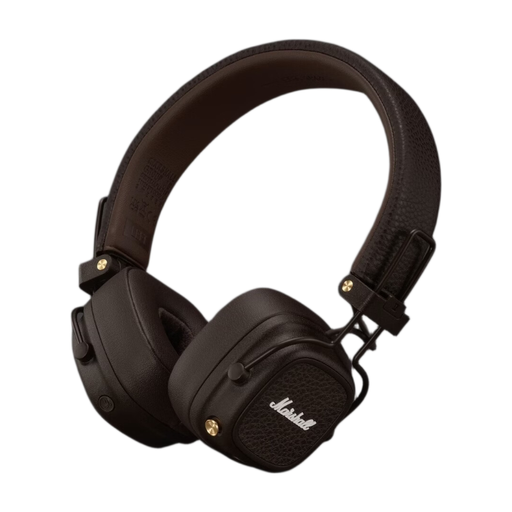 No image available
The product description lists Bluetooth multipoint and an included 3.5mm audio cable; check that the wired connection is compatible with your audio interface.
 No image available
The product description lists a closed-back over-ear design and an audio cable for wired listening; check compatibility with your own equipment before choosing this model for mixing.
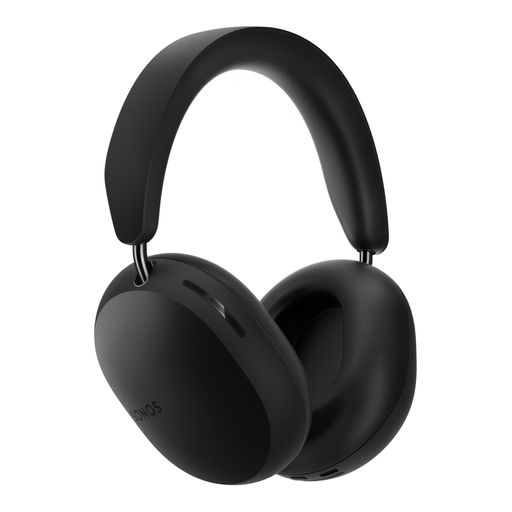 No image available
The product description lists a closed-back design and wired connections via USB-C and 3.5 mm; check which cable and input you need for your setup.
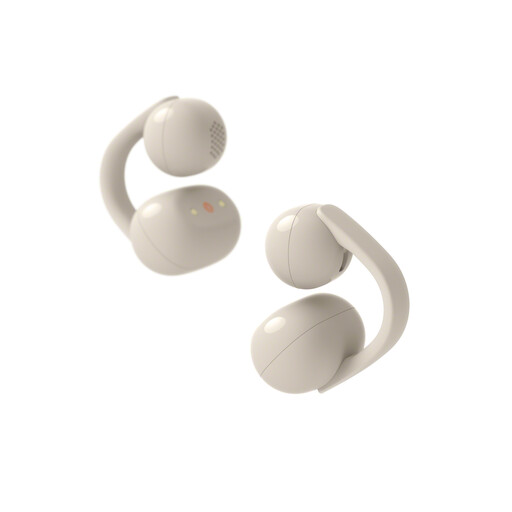 No image available
These open-ear clip headphones let you hear the sounds around you; consider whether this design suits your mixing style and desk environment.
 No image available
The product description lists Bluetooth and wired listening via a detachable cable with USB-C and 3.5 mm connections; check that the connection is compatible with your audio equipment.
Only if the sound they let out won’t disturb that person. If quiet is needed at the shared desk, compare closed-back models first and pay attention to the fit.
No, impedance alone doesn’t determine that. For the ATH-R70x, check how your headphone output, achievable volume and sensitivity work together; if possible, test them with your own equipment.
Keep the volume low and don’t turn it up to drown out desk noise. The World Health Organization highlights that both sound level and exposure time matter; 80 dB for up to 40 hours a week is an example from its safe-listening guidance, not a statutory product specification.
For distance purchases from a business, you’ll often have 14 days to change your mind in the Netherlands; check the terms for your order. You’re also entitled to a product of satisfactory quality, and if there’s a fault, the retailer is your point of contact for a solution. The Dutch government states that there is no fixed statutory warranty period covering all products in the Netherlands.