
Producer mixing in a quiet room
Wants to assess the balance between the kick, bass and other elements, and can also check the mix on other playback systems.


Choose open-back studio headphones if you usually mix in a quiet room and sound leakage isn’t an issue. In a shared or noisy home office, closed-back headphones are usually a better choice. With either type, check how the kick, bass and stereo image translate to other playback systems, and make sure the plug and cable are compatible with your audio output.
Wants to assess the balance between the kick, bass and other elements, and can also check the mix on other playback systems.
Wants to reduce distractions from background noise or prevent headphone sound from being picked up during recordings.
Wants to factor in fit, cable and maintenance, without assuming that a comfort claim applies to everyone.
Best suited to: mixing in a quiet room most of the time, when sound leakage isn’t an issue.
Trade-off: an open-back design doesn’t block out noise and lets sound through.
Best suited to: situations where background noise is distracting or you also record with a microphone.
Trade-off: actual passive isolation depends partly on how well the ear pads fit.
Best suited to: comparing this design with the specific model in mind, when some sound exchange with your surroundings is acceptable.
Trade-off: the semi-open label doesn’t guarantee enough isolation for a shared office.
| What to consider | What to look for when buying | Who should give this more weight? |
|---|---|---|
| Kick, bass and mix translation | Compare familiar reference tracks at the same listening levels and, where possible, check the mix on speakers or a second system. | If I want to know whether the kick and bass stay balanced beyond my headphones, I check the mix on other systems. Around 36% of consumers put mix translation first. |
| Background noise and sound leakage | Consider how often your room is noisy or shared, and check that the ear pads fit well. | If conversations or sounds from around the house disrupt my mixing sessions, isolation matters to me. Around 29% of consumers put isolation first. |
| Fit for long sessions | Try the headphones with your usual glasses and check the ear pads and replacement parts available for the exact model. | If I’m planning longer sessions, I want to know whether the fit will stay comfortable for me and how to maintain the ear pads. Around 21% of consumers put wearing comfort first. |
| Connections and maintenance | Check the output, plug type, whether you need a 3.5- or 6.3mm connection, and the cables supplied with the exact variant. | If I switch between a computer and an audio interface, I want to avoid finding that the plug or cable doesn’t fit. Around 14% of consumers put compatibility first. |
A specification doesn’t automatically tell you how the low-end balance of your track will translate to other systems. Sonarworks points out that listening on headphones doesn’t give you the same low-frequency experience or interaction between stereo channels as listening on speakers.
Use specifications to identify models, but also assess your mix with reference tracks and, where possible, on a second playback system.
An open-back design isn’t intended to block out background noise and lets sound through.
First consider whether your home office is usually quiet and whether sound leakage would bother other people.
A mismatch between the plug and output can make the connection unsuitable. Focusrite specifically describes a possible mismatch when a TRRS headset plug is connected to the TRS headphone output on a Focusrite interface.
Before buying, check the output on your equipment, the plug, any adapter and the cables included.
The DT 900 PRO X is an open-back model, while the DT 700 PRO X is closed-back. This lets you choose a design from the same PRO X range to suit the room you mix in.
According to Sennheiser, the open-back HD 490 PRO is designed for production and critical mixing in a quiet room.
AKG positions the open-back K702 for critical listening, mixing and mastering.
The closed-back ATH-M50x is an option to compare if passive isolation and the included cables are important to you.
The Joybuy products below may suit you if you want fewer distractions from background noise. Check for yourself whether a model is suitable for critical mixing; the product listings don’t establish that these headphones are studio reference models.
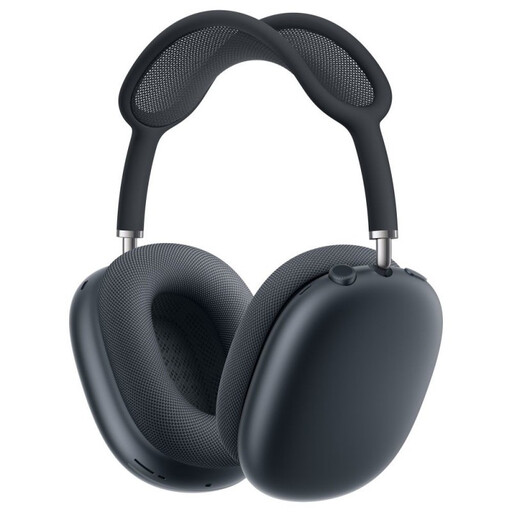 No image available
The product information lists active noise cancelling, which may be useful if background noise distracts you; it doesn’t establish whether the headphones are suitable for critical mixing.
 No image available
The product information lists Adaptive Noise Cancellation and an included 3.5mm audio cable; check that the wired connection is compatible with your equipment.
These are wireless over-ear headphones; the listing doesn’t confirm that this model is suitable as a studio reference for mixing decisions.
 No image available
The product information lists active noise cancelling and an audio cable for wired listening; check the connection before using the cable with your audio output.
The product listing doesn’t make clear whether this model meets your requirements for critical mixing.
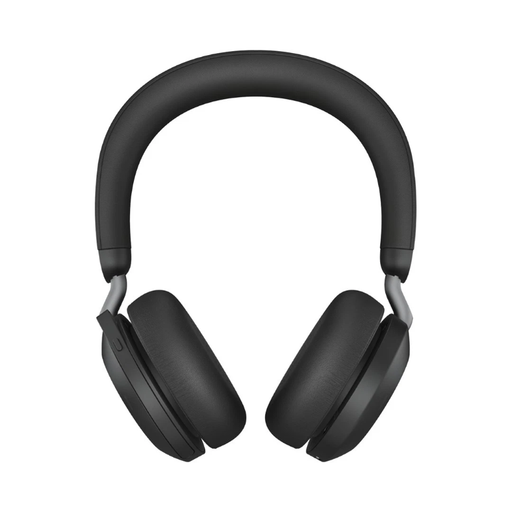 No image available
The product information lists active noise cancelling and Bluetooth, which may suit use in an environment where noise is distracting.
Check that the connection options work with your mixing setup; the product listing doesn’t establish whether it’s suitable as a studio reference.
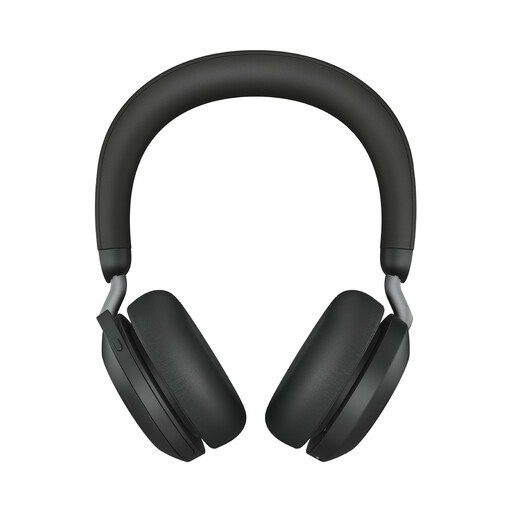 No image available
The product information lists adjustable active noise cancelling and Bluetooth for use in noisy environments.
Check that the USB-A MS Teams variant and its connections work with your equipment; the listing doesn’t confirm that it’s a studio reference model.
You can make mixing decisions with headphones, but check the low-end balance on other playback systems too, if you can. Sonarworks explains that headphones don’t provide the same physical low-frequency experience or interaction between stereo channels as speakers.
Check the headphone output, plug and any adapter on your own equipment. Focusrite warns that a TRRS headset plug connected to the TRS headphone output on a Focusrite interface may produce unusual or unbalanced audio; don’t apply this explanation to other interfaces without checking.
No. Check whether the exact model appears on the support list. Sonarworks says that headphones not listed in the selection menu aren’t supported; check the current software requirements before choosing the software too.
Keep the volume at a modest level and take regular listening breaks. The World Health Organization gives a maximum of 60% of the device volume as a simple guideline for personal audio devices; this percentage doesn’t measure the actual sound level from your headphones.
According to ACM ConsuWijzer, online purchases generally come with a 14-day cooling-off period from the day after delivery, although exceptions may apply and should be checked for the specific purchase. You’re also covered by the statutory guarantee if a product doesn’t perform as you could reasonably expect under normal use; there’s no fixed statutory two-year period.