
Producer working in a quiet mixing space
You can listen with focus by the window and want a useful reference for kick, bass and spatial decisions. Sound On Sound recommends checking your mixing decisions on speakers where possible, too.


If the space by the window is quiet, open-back studio headphones could work well for critical mixing. However, they let outside noise in and sound out. If traffic or household noise is a problem, or you record in the same space, a closed-back model is more practical. Bright daylight alone doesn’t call for a different acoustic design: focus instead on fit, connectivity and how the kick and bass translate on another playback system.
You can listen with focus by the window and want a useful reference for kick, bass and spatial decisions. Sound On Sound recommends checking your mixing decisions on speakers where possible, too.
Outside noise or other people at home disrupts your sessions, or you record as well as mix. In that case, isolation and sound leakage matter more.
You wear your headphones for long periods and want to take fit and replaceable parts into account. A specification alone can’t tell you how comfortable a model will feel on your head.
Best for: a quiet enough workspace where you want to mix critically.
Bear in mind: sound can leak both in and out. Also check the connection on the specific version.
Best for: a space where background noise is distracting or where you also record.
Bear in mind: isolation depends partly on the model and its fit. Check your mix on another system, too.
Best for: a specific model that suits your workspace once you’ve checked sound leakage, fit and listening performance.
Bear in mind: the ‘semi-open’ label alone doesn’t indicate a set level of isolation or bass control.
First, work out whether the space is genuinely noisy. Then choose based on how you’ll check your mix, and finally make sure the version you choose is compatible with your equipment.
| Consideration | What should you check? | Who should give this more weight? |
|---|---|---|
| Kick and bass | Compare familiar reference tracks and, where possible, check the mix on speakers or another playback system, too. | If you mainly need to make decisions about the kick and low end, you’ll want to know how the mix sounds beyond these headphones. Around 33% of consumers give bass performance top priority. |
| Background noise | Assess the isolation of the specific model and bear in mind that an open-back design lets sound in and out. | If traffic or household noise disrupts your sessions, or you record in the same space, isolation matters more. Around 27% of consumers prioritise reducing distracting noise or sound leakage. |
| Comfort and maintenance | Try the headphones on if possible, and check whether the ear pads and cable can be replaced on the version you’re considering. | For long mixing sessions, you’ll want to consider fit and maintenance without assuming that specifications tell you how comfortable they’ll be. Around 20% of consumers prioritise extended wear and maintenance. |
| Connection and power requirements | Check the plug, any adapter and the impedance version against the output on your device. | If you mainly want to avoid choosing a plug or output that isn’t compatible with your equipment, check the combination in advance. Around 20% of consumers give connectivity and power requirements top priority. |
Daylight doesn’t tell you whether the space is quiet. It’s the noise from outside that determines whether isolation matters for your listening session.
First, listen to see whether it’s actually noisy by the window, then follow the storage instructions for the model you choose.
Headphones and speakers present spatial information differently. A claim about bass alone won’t tell you how your mix will sound on other systems.
Use familiar reference tracks and, where possible, check the kick, bass and stereo image on a second system, too. Sound On Sound recommends checking on speakers.
The beyerdynamic DT 770 PRO is available in different impedance versions. AKG specifies a 3.5 mm plug with a 6.3 mm adapter for the K702.
Before choosing, check the full model name, connection and output against your own equipment.
Depending on your equipment, you may need a suitable adapter or a different headphone output.
An optional extended warranty doesn’t replace your statutory rights. If a product is faulty, the retailer is your point of contact for a solution.
Check exactly what the extra cover includes, and contact the retailer if you have a problem with a product. The Dutch government explains that there is no fixed statutory guarantee period in the Netherlands.
The DT 990 PRO 250 Ω is an open-back model for critical listening; the DT 770 PRO is a closed-back range.
The wired, closed-back ATH-M50x could suit you if passive isolation and a detachable cable are important.
The open-back HD 490 PRO is designed for production and mixing in a quiet listening environment.
The open-back K702 is an option if you’re looking for mixing headphones with a replaceable cable and ear pads.
The closed-back MDR-M1 is worth considering if you want isolation while you work.
These Joybuy picks are over-ear headphones with listed features for handling background noise or wired listening. Check that the connections and sound suit your mixing work; this product information doesn’t establish that they’re studio headphones.
 No image available
The listed 3.5 mm audio cable may be useful if you want to listen with a wired connection; check that it’s compatible with your equipment.
The product information lists active noise cancellation, adjustable EQ, an included 3.5 mm audio cable and a 60-hour battery life.
 No image available
If you also need a wired listening option, check that the listed connections are compatible with your equipment.
The product information lists active noise cancellation and a detachable cable with USB-C and 3.5 mm connections.
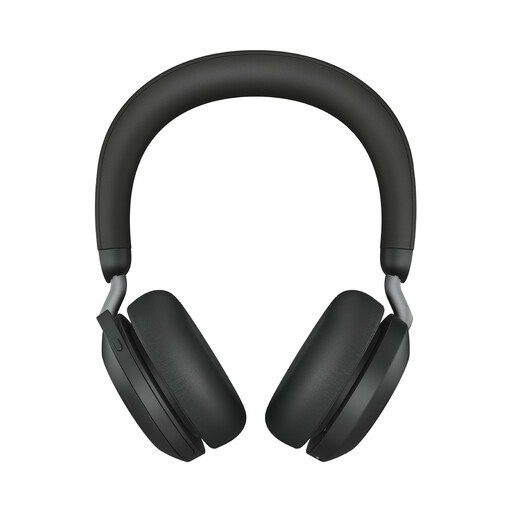 No image available
This is a Bluetooth headset; check that the stated connections suit the way you want to listen to your mix.
The product information lists adjustable Active Noise Cancellation and simultaneous connection to two devices.
No, not because of the daylight itself. First, work out whether noise in that spot affects your mix, then choose between an open-back model and greater isolation. Follow the instructions for storing the specific headphones you choose.
Check the plug and any adapter against the output on your laptop or audio interface, and make sure that output can drive the version you’ve chosen. AKG specifies a 3.5 mm plug with a 6.3 mm adapter for the K702; beyerdynamic offers the DT 770 PRO in several impedance versions.
Check your mixing decisions against familiar references and, where possible, on speakers or another playback system, too. Listening on headphones isn’t the same as listening on speakers; Sound On Sound recommends checking on speakers.
Keep the volume moderate and take regular breaks. The World Health Organization gives the example that, at an average sound level of 80 dB, listening for up to 40 hours a week may be possible. This is listening advice, not a guarantee that your device’s volume setting is safe.
For many eligible online purchases from a business, you have 14 days to change your mind; check the exceptions and terms that apply to your purchase. The Dutch government also clarifies that statutory guarantees are separate from any additional manufacturer’s or retailer’s guarantee, and that there is no fixed statutory guarantee period.